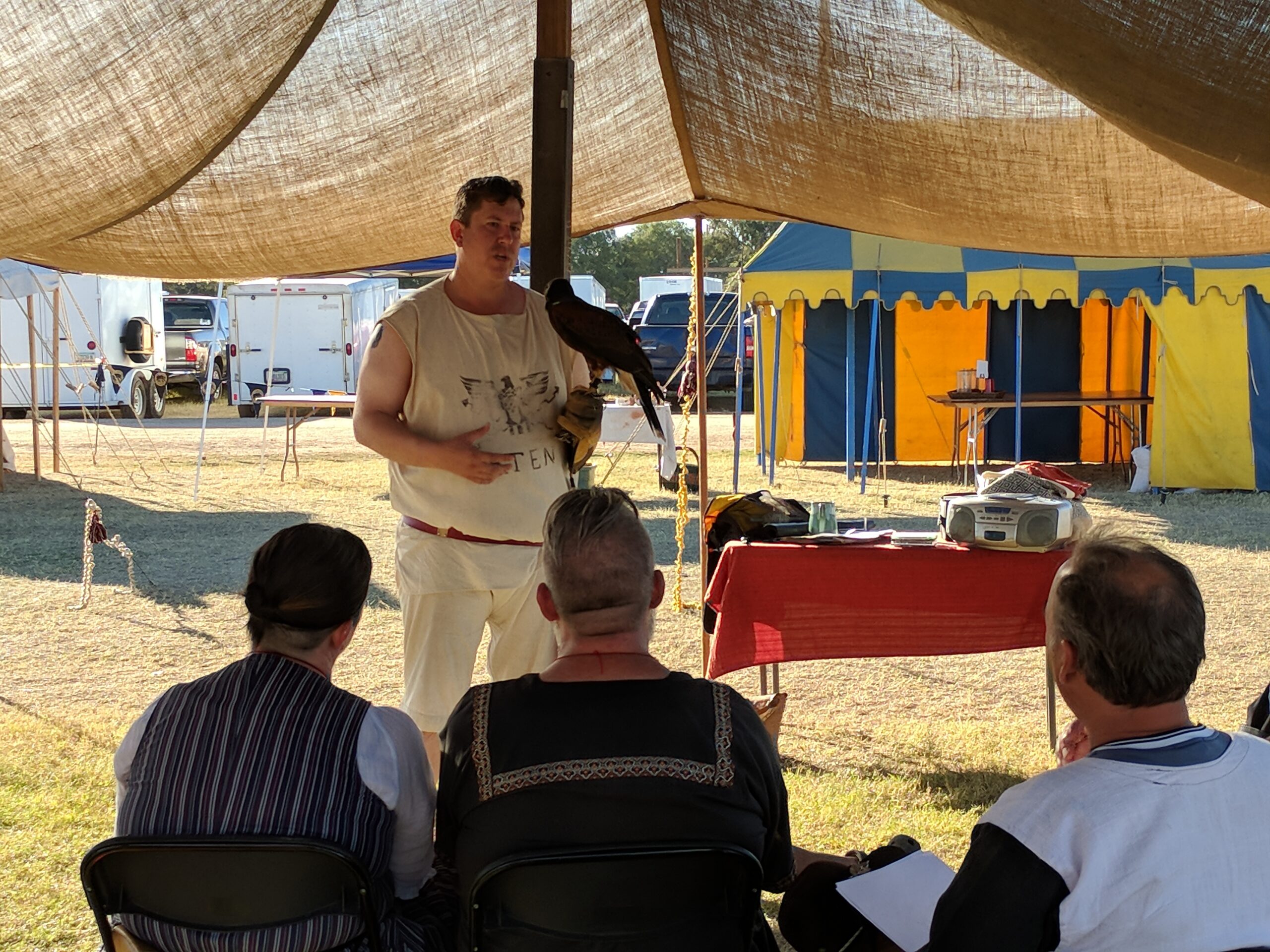
Find Your Place in History
With the Yuma, AZ SCA Chapter
Welcome
We are the Shire of Burning Sands, the Yuma, AZ SCA (Society for Creative Anachronism) chapter! Whether you are new to the SCA, new to the area, or just curious about what we do, we welcome you! As a shire within the greater Kingdom of Atenveldt we are but a small representation of the SCA, but that doesn’t stop us from having a ton of fun and supporting each other’s dreams! Fight in armored combat, enjoy a feast, sew a medieval gown, learn calligraphy, and so much more! Join us and step into a world of chivalry, art, and camaraderie! Let’s rediscover the best parts of the Middle Ages together!
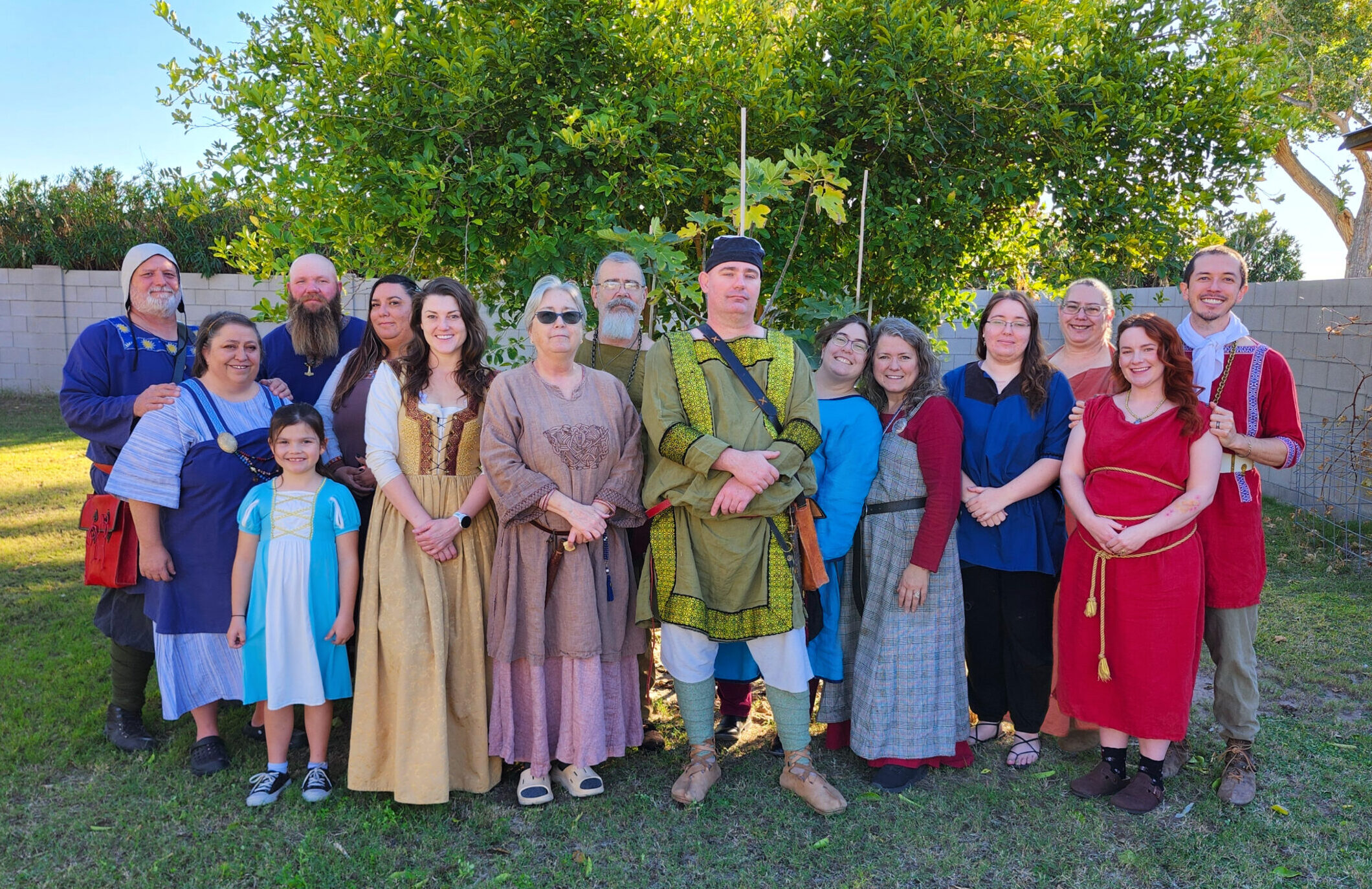
What is the SCA?
The SCA, short for Society for Creative Anachronism, is an international, non-profit, educational organization for all ages. The SCA promotes a hands-on, learn-by-doing model devoted to the research and re-creation of pre-17th century skills, arts, combat, and culture. Members and newcomers alike are encouraged to participate and volunteer, building a community of rich world history knowledge and enriching the lives of participants through events, demonstrations, and other educational presentations and activities.
Our Core Values
Like many other societies, the SCA has rules, heirarchy, behaviors, and deep rooted traditions that members are expected to respect and abide by to maintain the integrity and goals of that society. For the SCA, the highest value we hold is chivalry, liken to that in Arthurian legend. Chivalry is about more than just kindness toward women-folk, but rather extends to all, even one’s opponent in contest or on the battlefield! This expectation applies to anyone and everyone within the society in all activities.
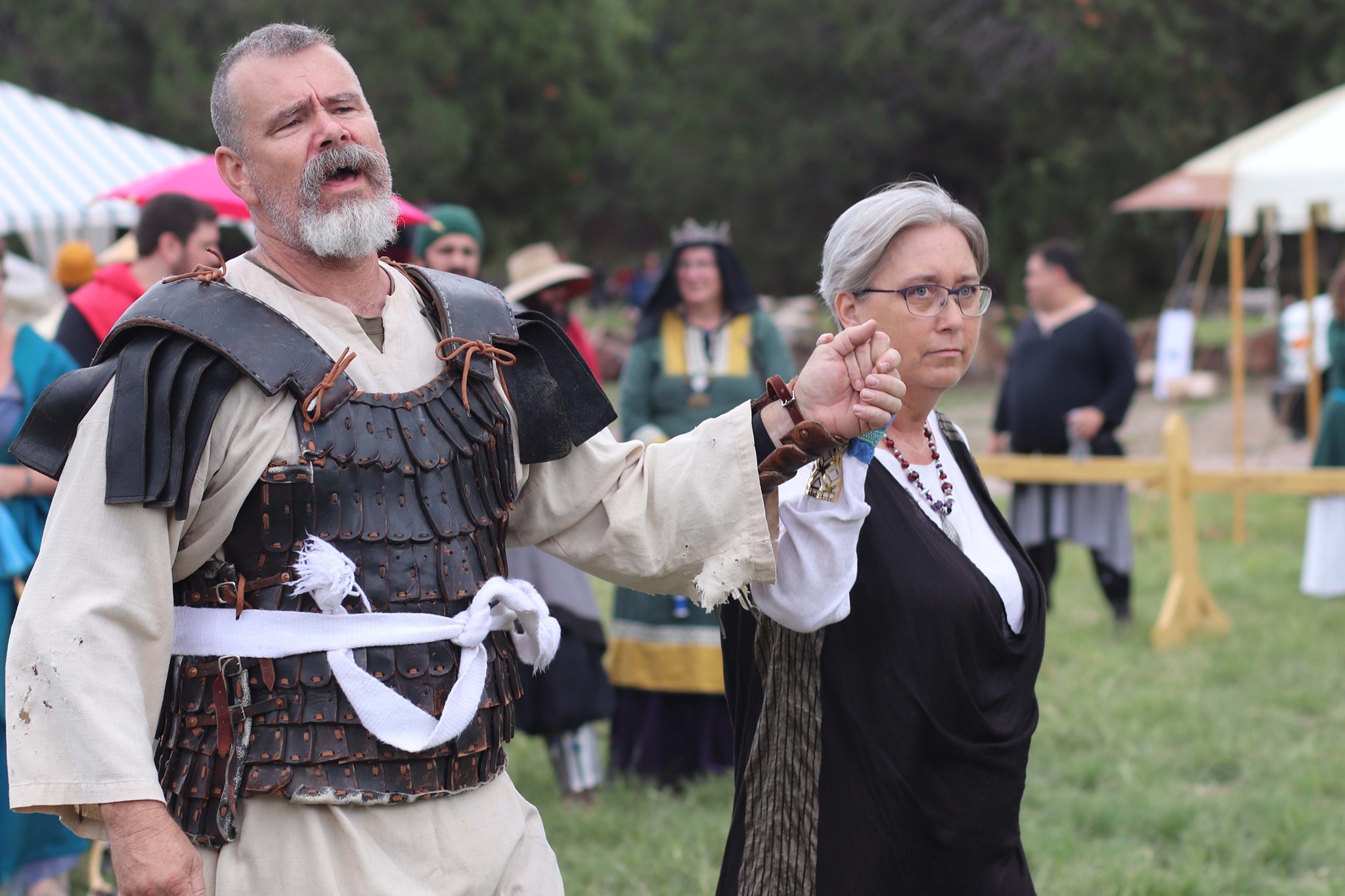
Our Activities
Experience Living History
Below are some of the activites we practice regularly. We also hold yearly local events and many of our members will travel to other SCA events across the state, out-of-state, and some even internationally!
Martial Activities
Honor before victory!
Martial activities are those that require one to phyically train accuracy and precision through repetition; strength and stamina through endurance; grit and determination through preserverance.
Safety notice: Because of the inherent risk of injury in martial activities, waivers are required to be signed by all particpants. and safety officers (called marshals) are required to be present during all martial activities to ensure safe practices are followed.
Archery
Nock & Load
Archery
Nock & Load
Armored Combat
Honor & Valor
Armored Combat
Honor & Valor
Rapier
Finesse & Wit
Rapier
Finesse & Wit
Thrown Weapons
Precision & Impact
Thrown Weapons
Precision & Impact
Arts & Sciences (A&S)
More than just arts and crafts
Arts and Sciences (A&S) serve to promote reasearch and learning to enrich the authenticity of the modern medieval experience! Join us for A&S classes where we learn the history of the middle ages, the methods and materials used in crafting, and help one another with costuming! Get involved in performing arts such as song, dance, or storytelling!
Read More
Arts and Sciences in the SCA follow a simple cycle: We research how things were done in the medieval world, reproduce those skills and creations ourselves, document what we learned, and demonstrate our work by sharing it with others. Whether you’re cooking a feast, illuminating a scroll, weaving trim, studying medieval languages, or crafting armor, every project begins with curiosity and grows through this process.
We hold classes and workshops upon request and suggestion to include scribing, sewing, bardic, armor repair, and so much more! For details of upcoming activities check News & Calendar, Facebook, or email our Minister of A&S at moas@burningsands.atenveldt.org. You can also request a class or workshop by emailing the Minister of A&S!
Culinary & Domestic
Cooking · Brewing · Stillroom · Housekeeping
Culinary & Domestic
Cooking · Brewing · Stillroom · Housekeeping
Performance & Bardic
Music · Dance · Storytelling · Poetry · Theater
Performance & Bardic
Music · Dance · Storytelling · Poetry · Theater
Scribal & Heraldic
Calligraphy · Painting · Bookbinding · Armory
Scribal & Heraldic
Calligraphy · Painting · Bookbinding · Armory
Scientific & Cultural Studies
Sciences · Engineering · Linguistics · Fashions
Scientific & Cultural Studies
Sciences · Engineering · Linguistics · Fashions
Material & Craft Arts
Textiles · Smithing · Carving · Leatherwork · Ceramics
Material & Craft Arts
Textiles · Smithing · Carving · Leatherwork · Ceramics
Field & Outdoor
Herbalism · Falconry · Equestrian · Camping
Field & Outdoor
Herbalism · Falconry · Equestrian · Camping

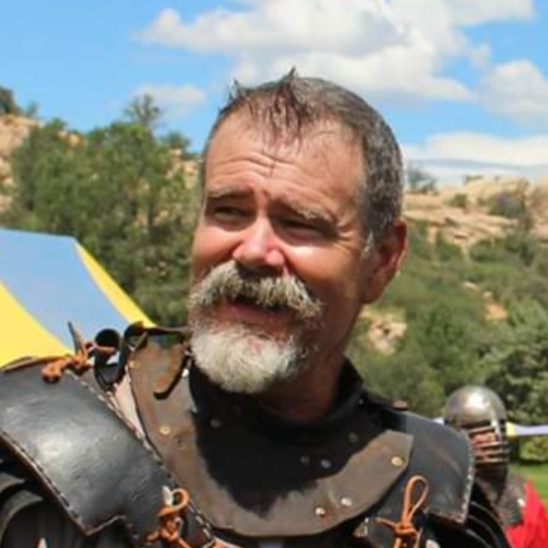
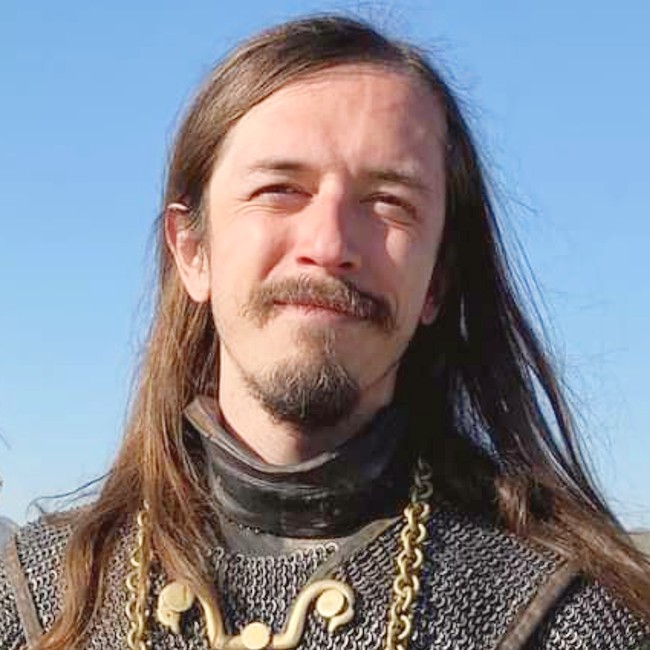
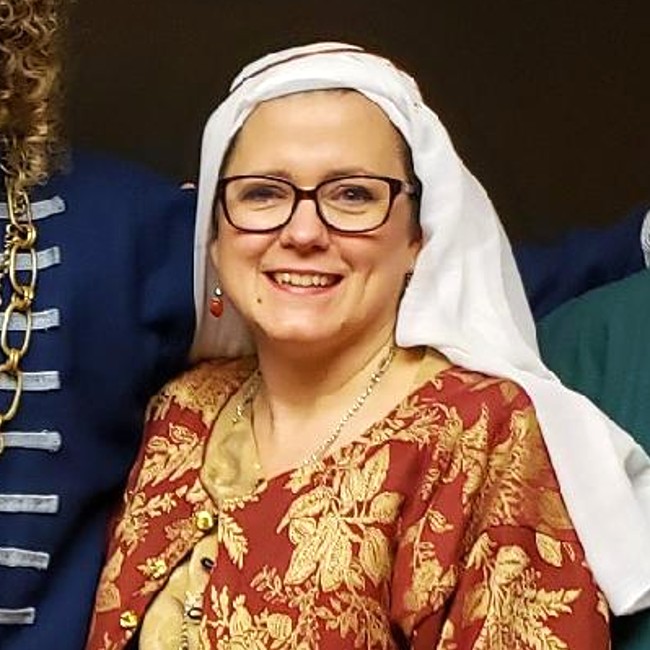
A Look Inside Our World


Calendar

I subscribed to the Calendar, now what?
Turn on Notifications!
Don’t forget, once you have subscribed to the calendar turn on notifications to get the latest updates in real time! If you need help to do that, follow the instructions found in the links below:
Shire News
Fighter Practice
We Were in the News! – 2026 Two Rivers Renaissance Faire Demo
We had a very successful demo weekend at the Two Rivers Renaissance Faire! Better yet, we were hugely represented in the local news story about the faire itself! Check the article here: KYMA - Locals Attend Two Rivers Renaissance Faire 2026 A big thanks to Eleanor and...
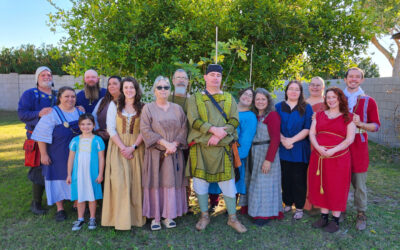
2025 Recap
This post comes a little late, but 2025 was an action-packed year for the Shire of Burning Sands! We shared our passion for history, arts, and combat with the greater community while continuing to strengthen our bond as a group. Here’s a look back at our year: Two...
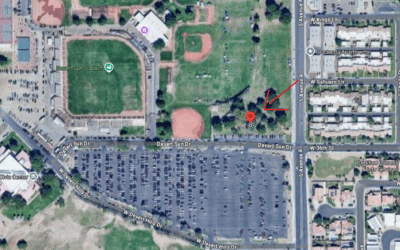
New Fighter Practice Location!
Due to recent wild weather, the tree we used as shade at Sanguinetti Park has fallen! As a result we have had to change locations for fighter practice. The good news is at the invite of our friends from the Mountains of Elsrum Amtgard community, we have for the time...
Join Us on Facebook!
FAQ
How do I get involved?
You can contact our newcomer officer (the Chatelaine) for some pointers or check out our calendar for our next local gathering. It doesn’t matter if it is fighter practice, a populace meeting, or class, you can just show up and someone will happily point you in the right direction for whatever you are interested in! If you would like to learn more first, the official SCA website has a useful newcomer page (https://www.sca.org/new-to-the-sca/)
Is it free?
Generally yes, especially practices! The only times there may be a fee are at our large events and some classes where supplies are provided. Even then, we encourage anyone curious or interested but not participating to come watch and learn, free of charge!
With all that said, you can become a paid member of the SCA, which provides discounts for events, among other benefits!
What are the benefits of being a "paid member"?
While you can participate without being a member, paid members enjoy benefits such as discounted event fees, receiving awards, voting in polls, or even running for an office position.
How much does membership cost?
Click or go to the link below for current membership information and cost: http://www.sca.org/members/
What do I need to bring?
For you first time out, just come as you are and we’ll help you get started.
If you would like more specifics for bare minimums ahead of time:
- Fighter Practice – bring your own hard-shelled sports cup (groin protection namely for males).
- Archery Practice – you need close-toed footwear and may want to bring sunblock and other forms of sun protection like a hood or hat.
- Arts and Sciences classes – you will want to look to the class announcement ahead of time for details on any supplies you might need to bring with you.
- Events – for a single-day event you should wear something passably medieval or garb (sometimes available for loan to newcomers, contact the Chatelaine before the event for more information). You should also bring food (unless a meal is provided), water, and the event fee (found in the event announcement post). For weekend camping events, you should additionally bring a tent, sleeping bag, and anything you might need to stay overnight.
- Feasts – you may want to bring feast gear if none are provided. This includes plates, bowls, cutlery, mugs; the more medieval, the better! Note that some feasts may require reservations so be sure to read the event announcement thoroughly for details.
What goes on at a weekend SCA event?
A typical SCA event will include armored combat and rapier, with archery if an area is available. There may be a feast dinner with medieval dancing afterwards. Some alternatives such as arts and sciences, classes, bardic (songs, poetry or stories of the period), games, and children’s activities may be available. When the King and Queen are present, they usually hold a Royal Court to present awards and honors to their subjects.
Do I have to get dressed in costume to participate?
You don’t, but an effort at clothing that fits within the SCA time period is highly encouraged and does make it more fun! However we don’t usually wear garb for monthly business meetings or work shop gatherings.
What is the SCA time period?
The SCA covers pre-17th century history, mainly the European Middle Ages & Renaissance. The common practice is from about 600AD to mid-1600s (through Elizabeth I). However, there are many participants that choose to venture into ancient times, explore the Middle East, or study interactions between Europe and Asia pre-17th century.
What if I don’t know anything about history?
No problem! The SCA includes a range of different kinds of people from those who love doing extensive historical research to those who just enjoy the atmosphere of life in the Middle Ages. No matter what your level of knowledge or interest in history is, there are always friendly folk in the SCA who are willing to offer their guidance and share what they know, often without being asked!
Can I bring my kids?
Absolutely! The SCA is multi-generational, and there are many youngsters involved. There are members that grew up in the SCA and even some second- and third-generation SCAdians around. Children, youth, and teens are encouraged to participate in most activities, including youth combat (for teens and pre-teens) and archery. The marshal activities do require parents or legal guardians to be present.
Are cameras allowed?
Yes. Though attempts to hide the camera when not in use and discretion when using a flash are appreciated. There are some expectations of privacy, so please ask before posting or publishing pictures if at all possible.
Do you do demonstrations for other organizations?
Are you part of those Renaissance Fairs?
No, the SCA is not involved in the large for-profit Renaissance Fairs. However, many SCA members participate in these fairs by providing entertainment and sometimes will do demos at them.
Is this a LARP group?
While there are some similarities, LARP groups tend to be associated with fantasy whereas the SCA favors more historical influence. Some folk do enjoy acting out their persona, while most people act as themselves while abiding by common courtly courtesies, especially at events and during Royal Court.
Do you do reenactments of actual events?
No, our activities are unscripted and more free-form. Each person picks their own persona, which include name, garb, and time. Some events may focus on a specific place and time as a theme, but attendees may select garb or persona from within another SCA period.
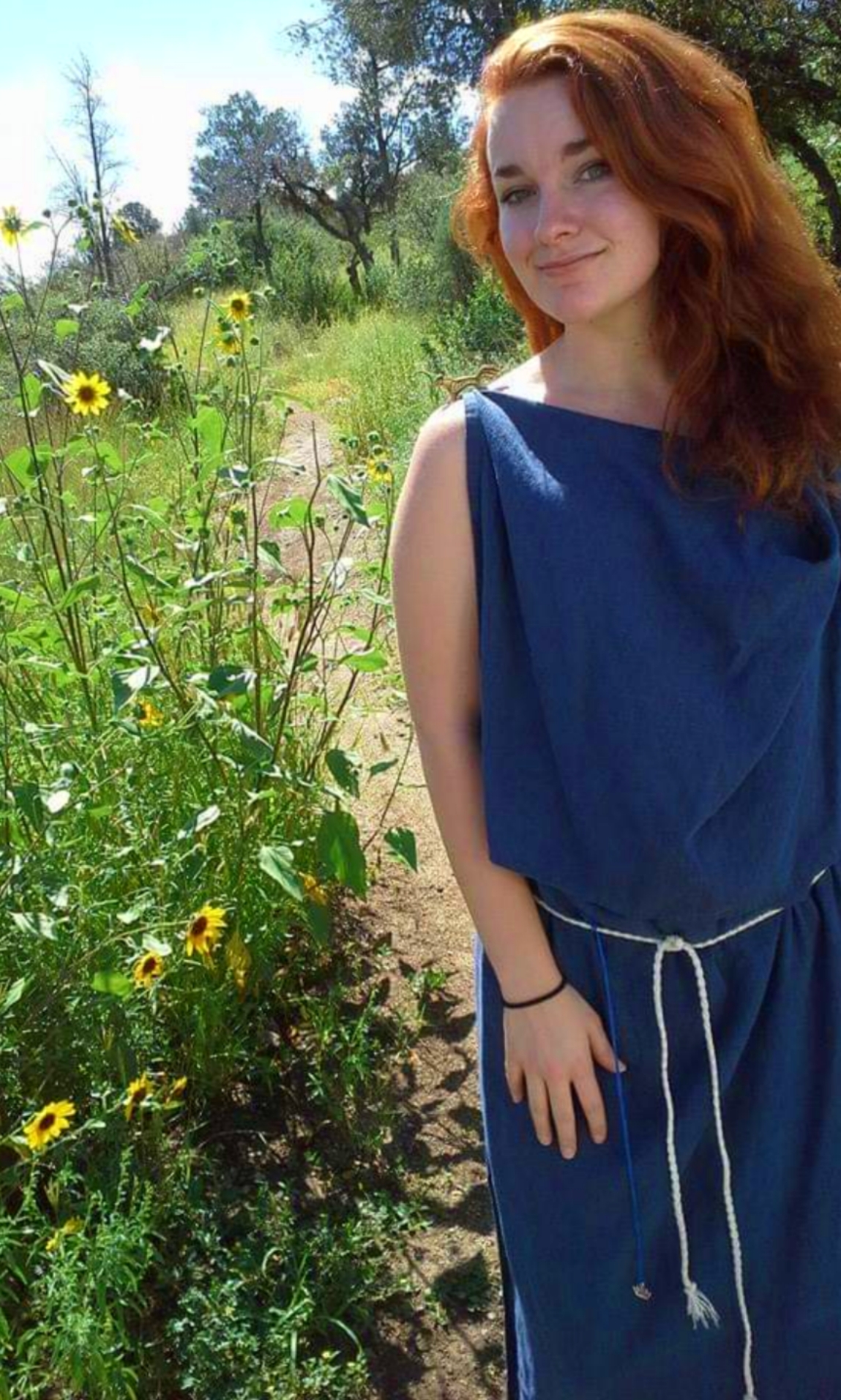
“My advice would be to talk to everyone and to try everything. Everyone that I have met within the SCA is knowledgeable in some aspect of history and more than happy to teach what they know. You may learn about something you have never heard of before and could find you really enjoy it! Biggest thing is to have an open mind, ask questions and have fun with it!”
Take the Next Step
Find your place in history
Get in Touch
Click here or fill out the contact form below to let us know you’re interested. Don’t be shy, we’d love to hear from you and help you get started!
Connect on Facebook
If social media is more your speed, follow us on Facebook, or better yet join our Facebook group and say hello!
Join Our Next Gathering
Visit and subscribe to our calendar to find the next get-together. Even if it’s not exactly what you’re looking for, come anyway—we’ll help you find your people.
Request a Demo
Looking for educators for an event, booth, or venue? Interested in supporting local community recreation groups like ours? Let us know using the contact form below!

Contact Us!
Find Your Place in History
We’re ready to help you take the next step!
If you’re new and want to know how to get started, or are an organizer looking for a demonstration, please fill out the form below to reach out to our Chatelaine who is here to help!
Our Next Gathering:
Yuma, AZ 85365 United States
Archery
Take Aim
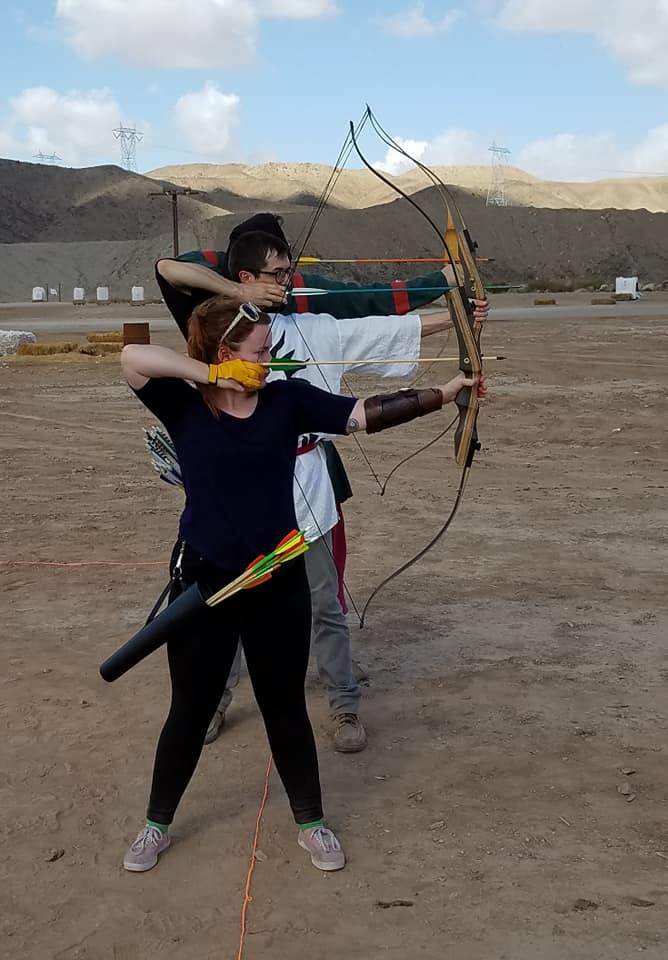
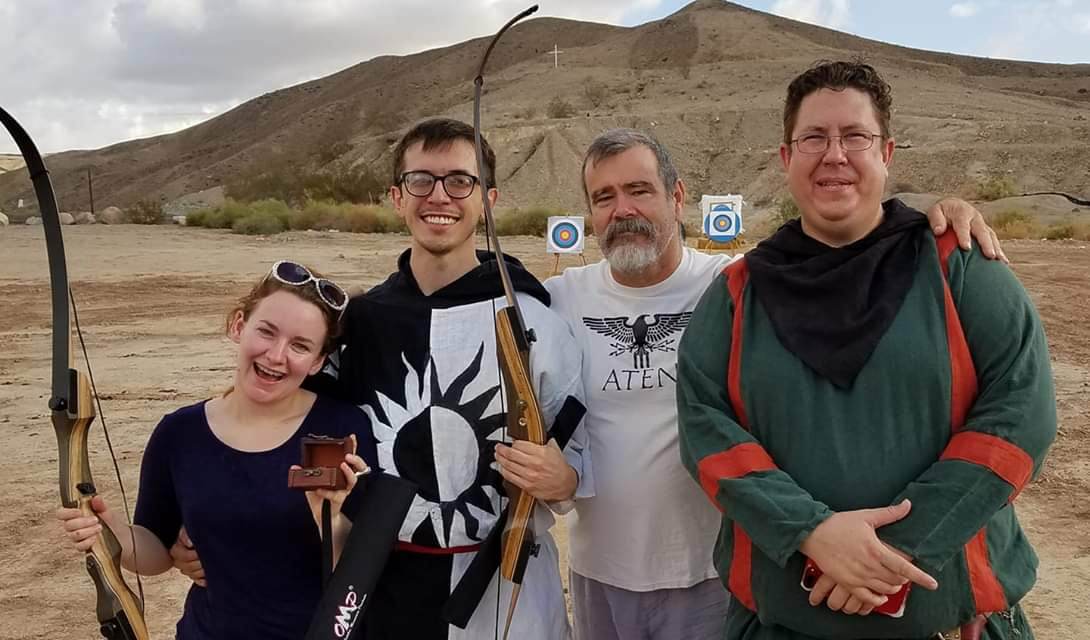
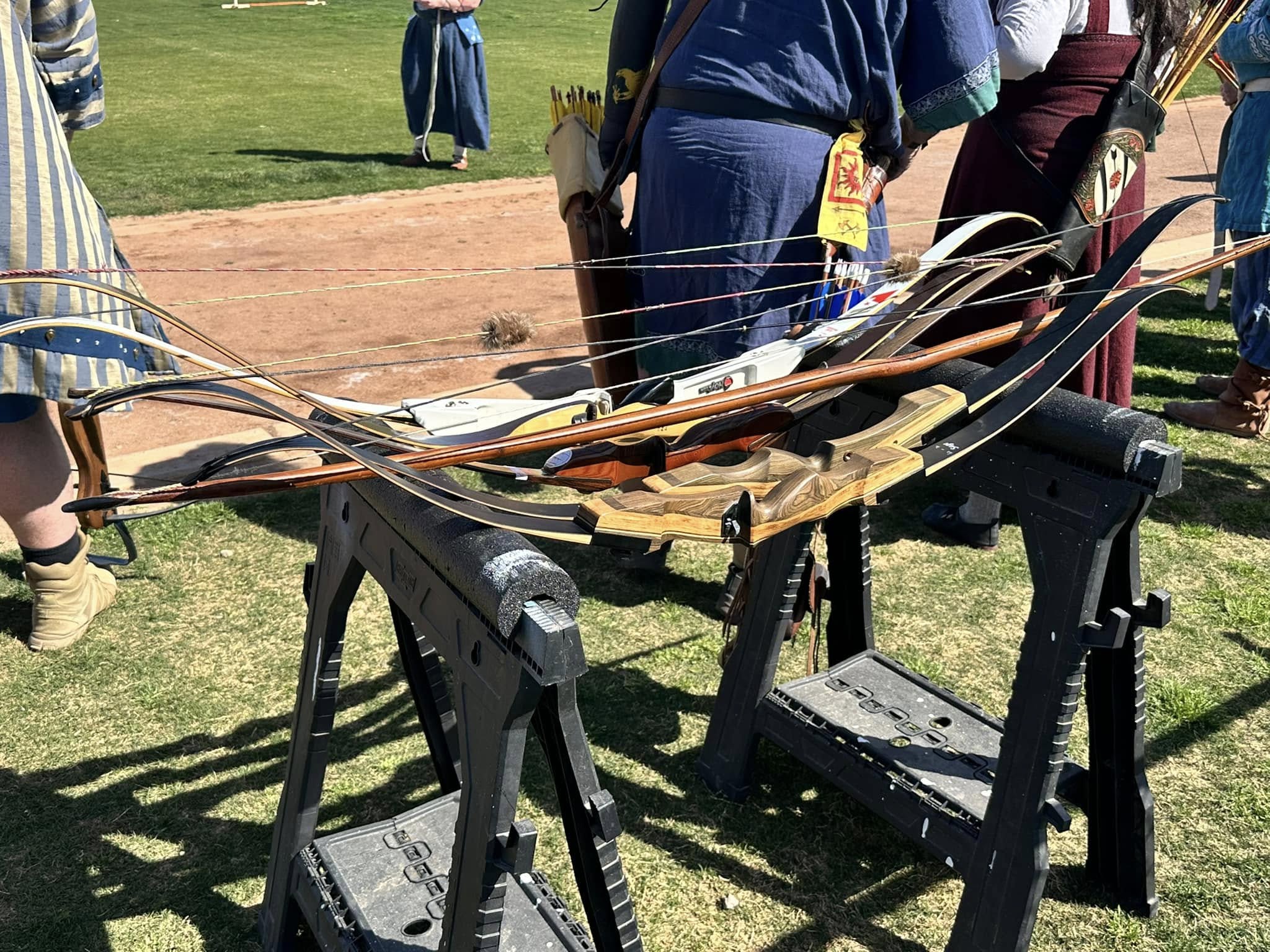
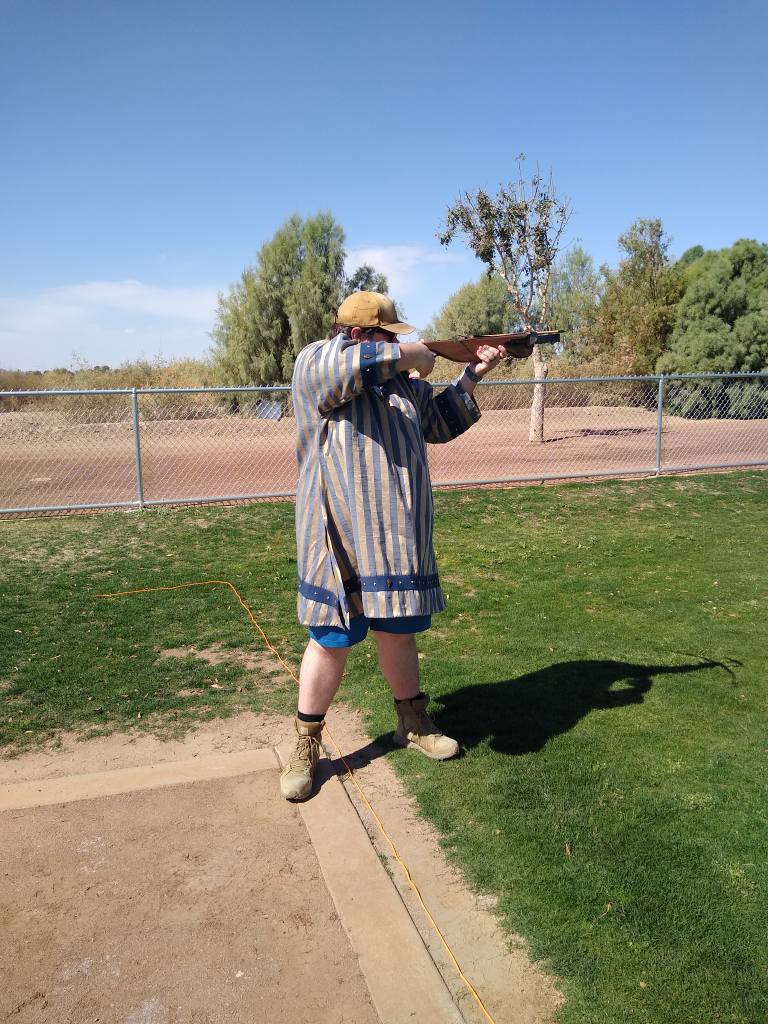
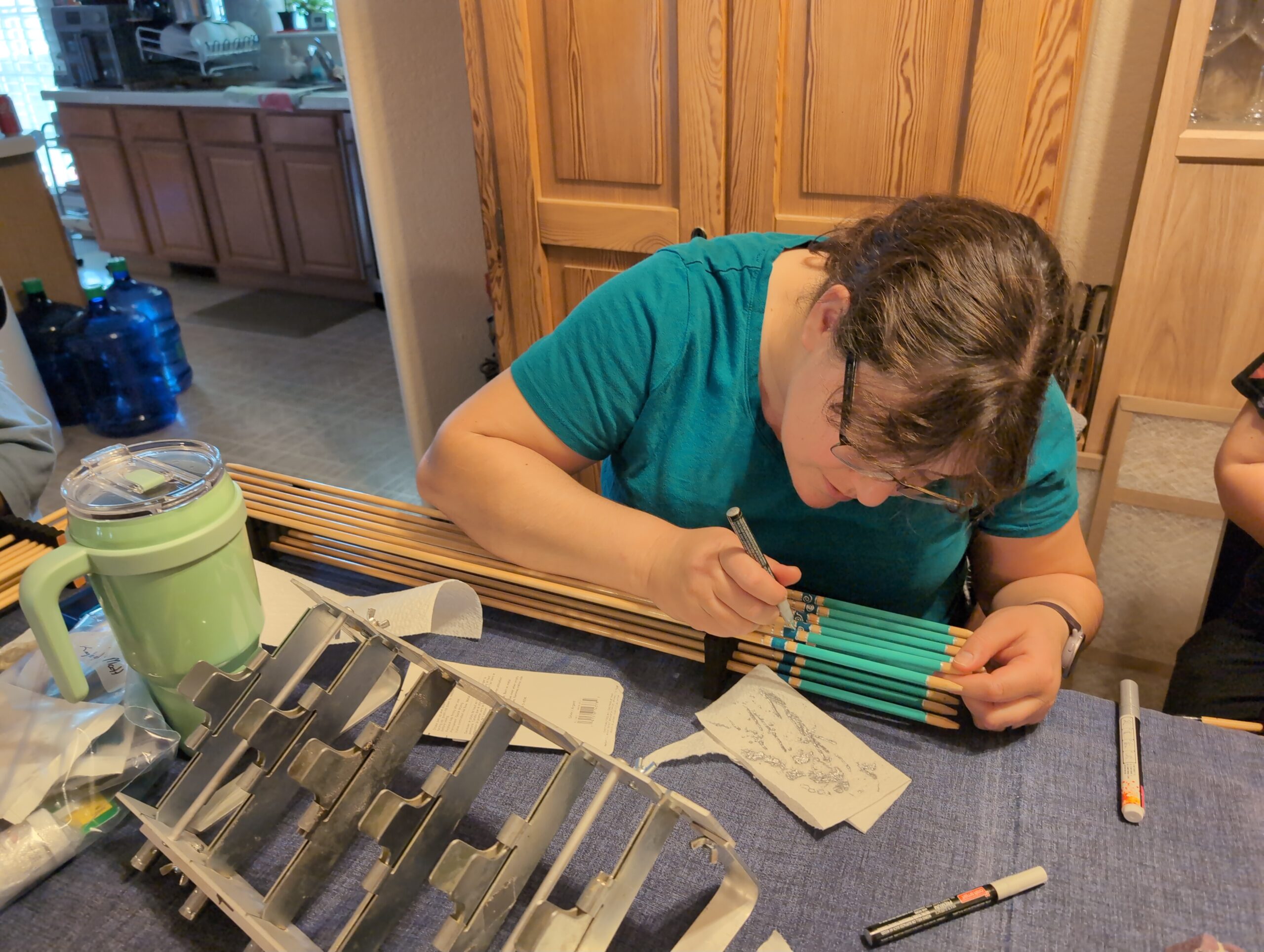
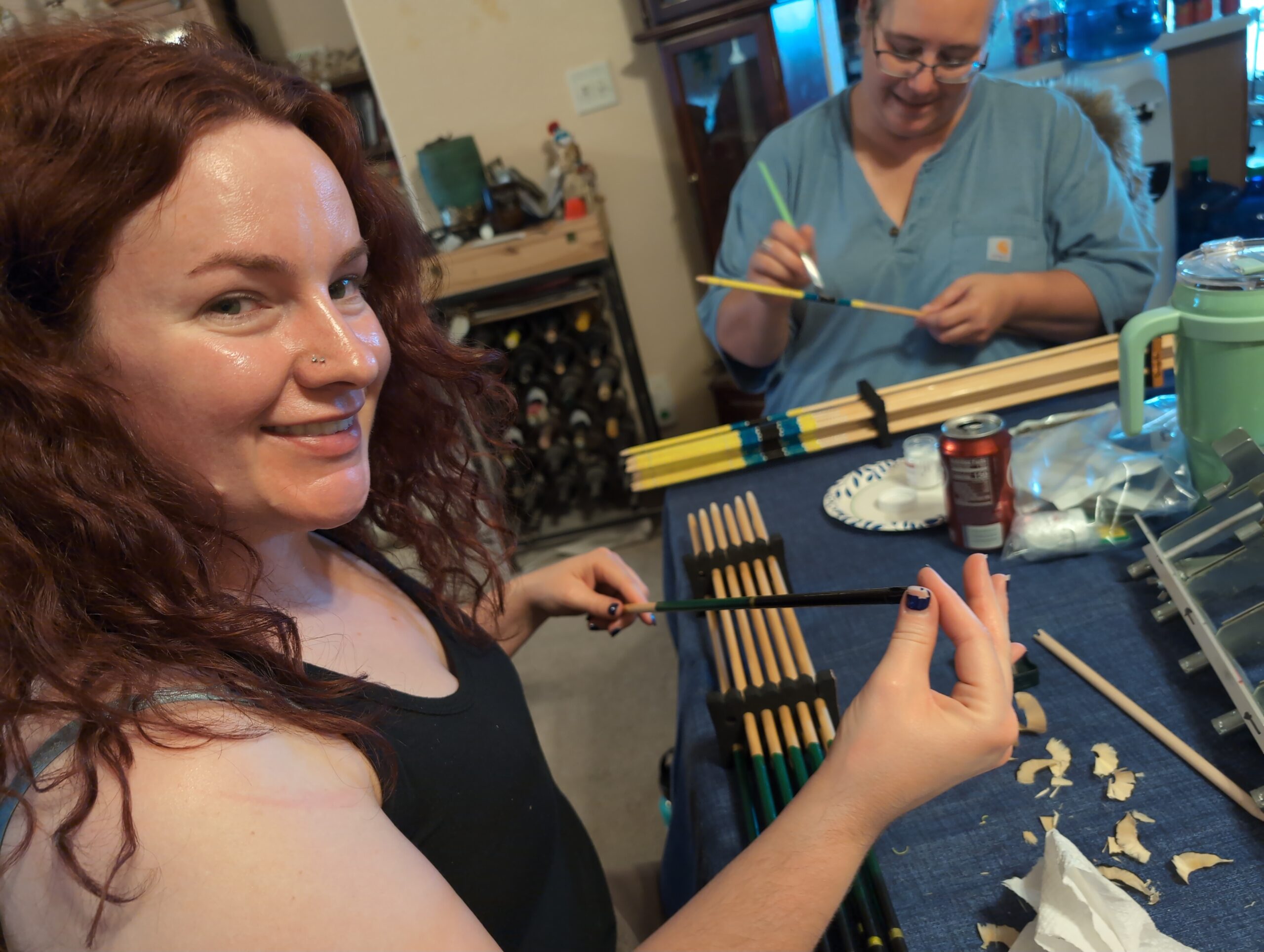
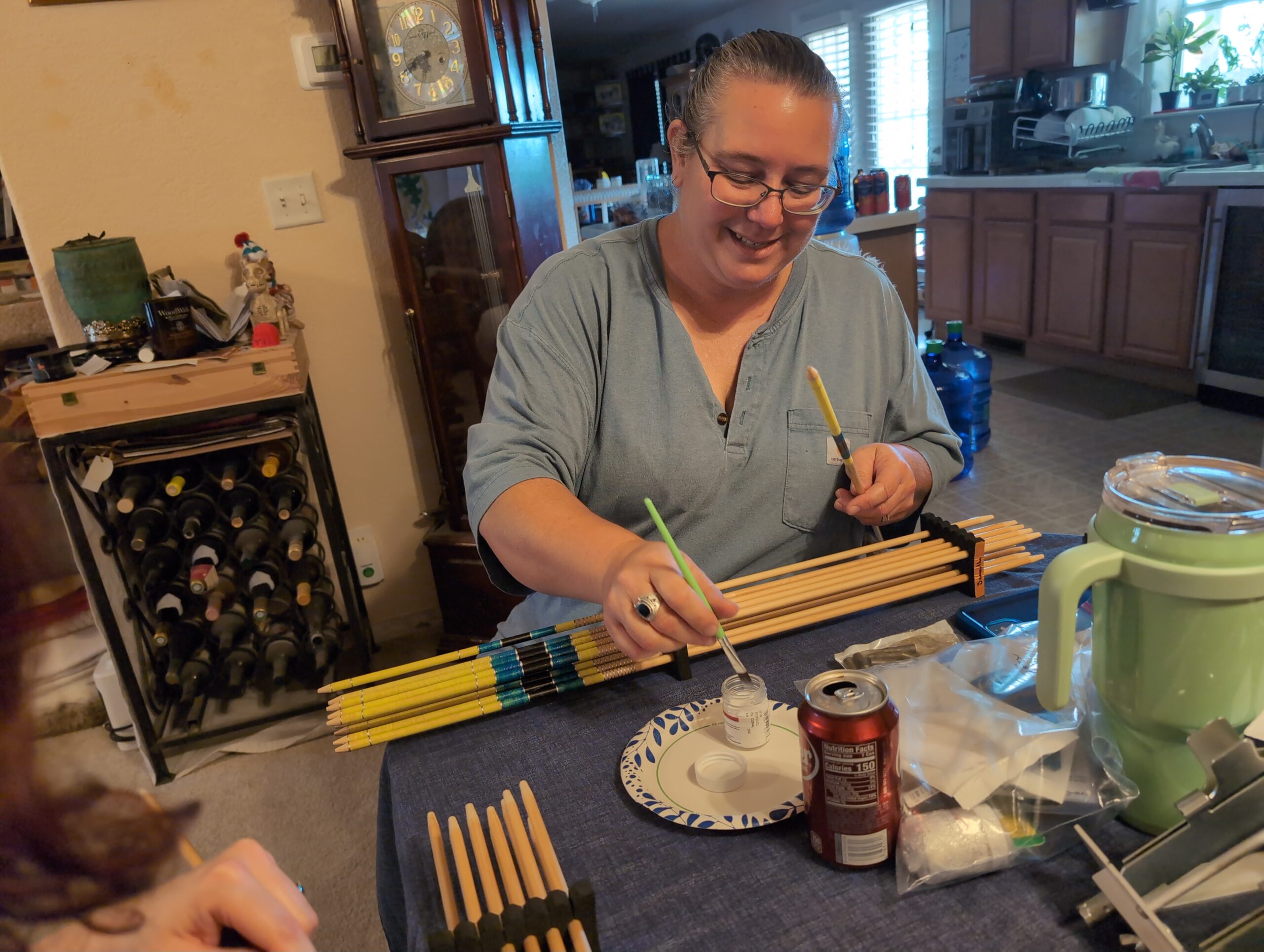
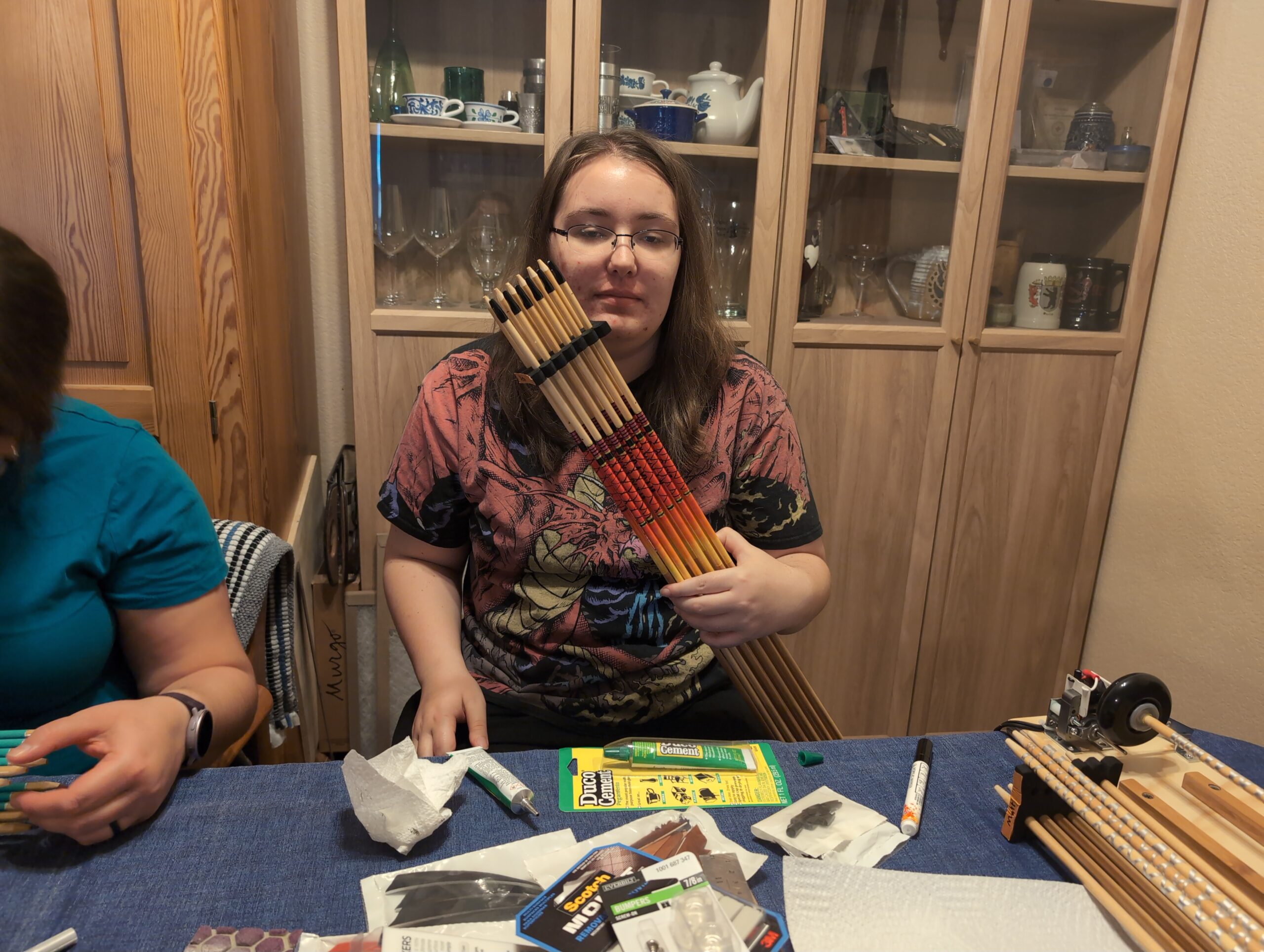
Archery in the Society for Creative Anachronism (SCA) is a martial activity that is open to all ages and skill levels. It involves the recreation of pre-17th century archery practices and skills using traditional equipment mostly made of period-appropriate materials including longbows, recurve bows, and crossbows using wooden arrows and feather fletching. Modern equipment like compound bows, fiberglass arrows, or sights are typically not permitted with some exceptions for practices. Fortunately we have loaner gear, so you don’t need to own equipment to try it out. All you have to do is wear closed-toed shoes and show up!
The SCA offers two main types of archery:
- Target Archery: Shooting arrows at static targets, which can range from traditional bullseyes to elaborate 3D targets or those simulating castle windows or hunting scenarios. Archers can participate in various competitions, SCA Royal Rounds, and inter-kingdom events.
- Combat Archery: For those seeking a more dynamic experience, combat archery involves shooting low-powered bows with special padded arrows at armored opponents on a battlefield, similar to medieval paintball. Participants must wear the appropriate armor and undergo an authorization process to ensure safety and competence.
Safety is always paramount, warranted marshals who are trained safety officers are always present at all events and practices to inspect equipment, explain rules, and ensure safe conduct on the range. You can find more information or get started by filling out the contact form below and/or contacting the Archery Marshal directly at archery@burningsands.atenveldt.org.
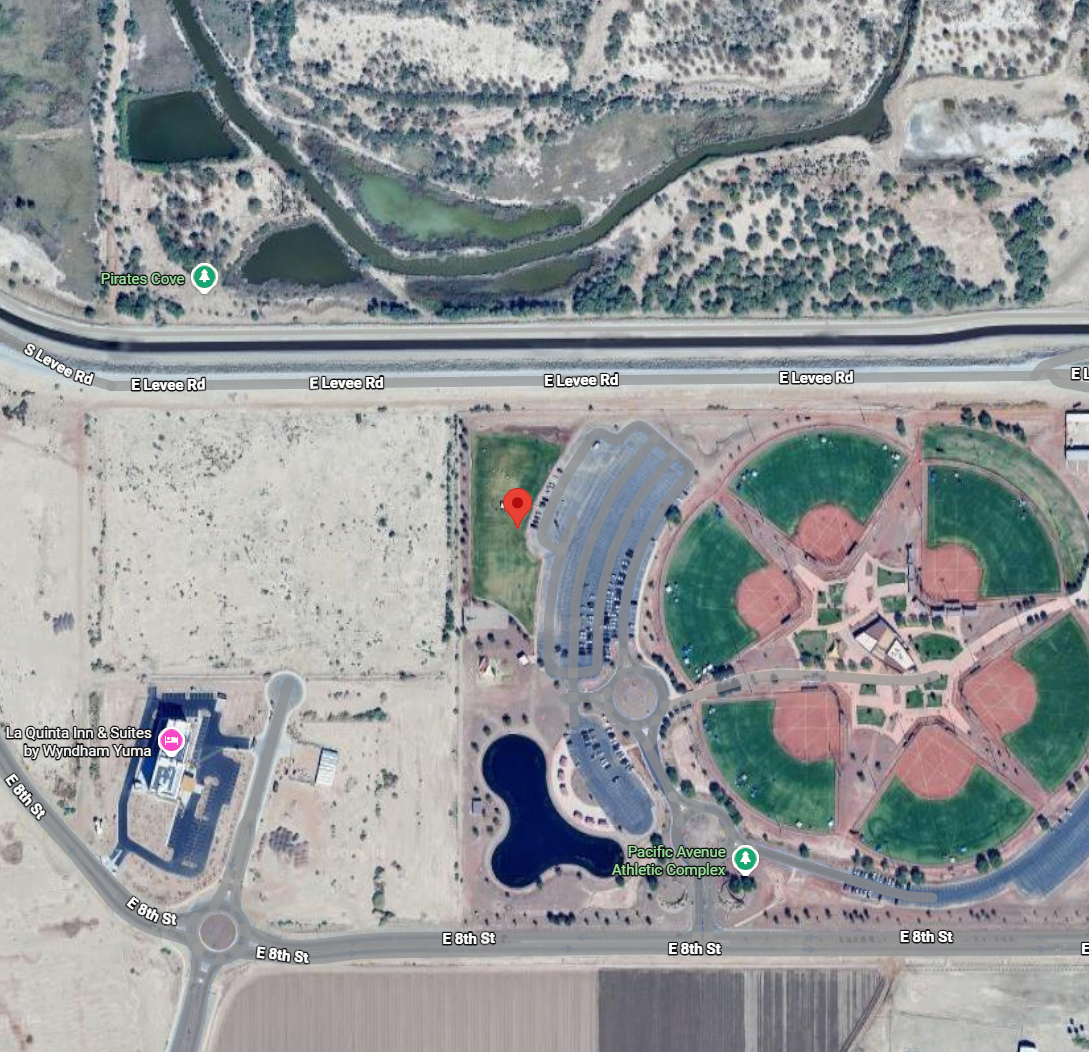
Practice: Held once a month at the Pacific Avenue Athletic Complex (PAAC) Archery Field. For details on date and time for our next practice check News & Calendar, Facebook, or email the Archery Marshal at archery@burningsands.atenveldt.org.
Next Practice:
Thrown Weapons
Hit the Mark
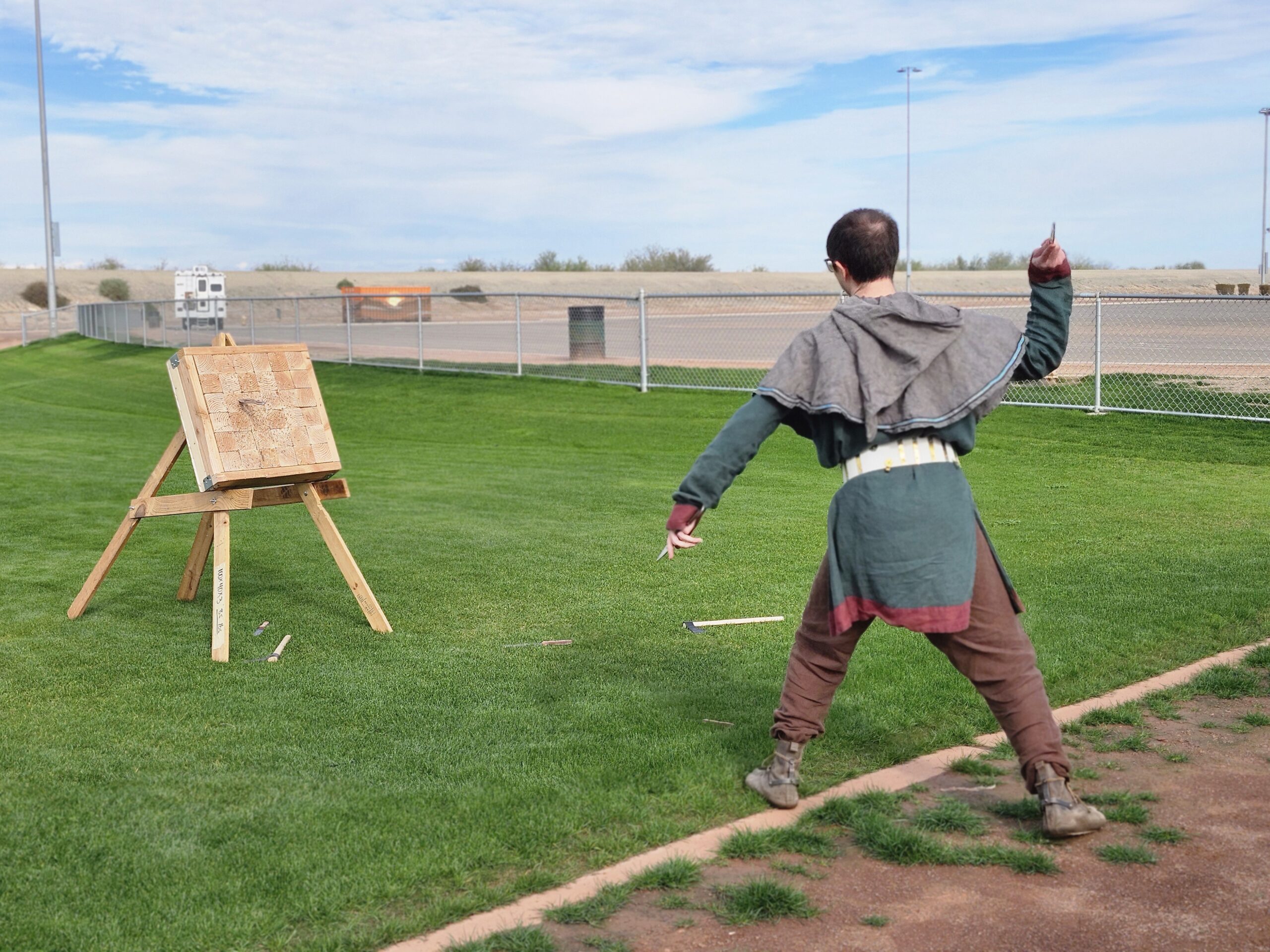
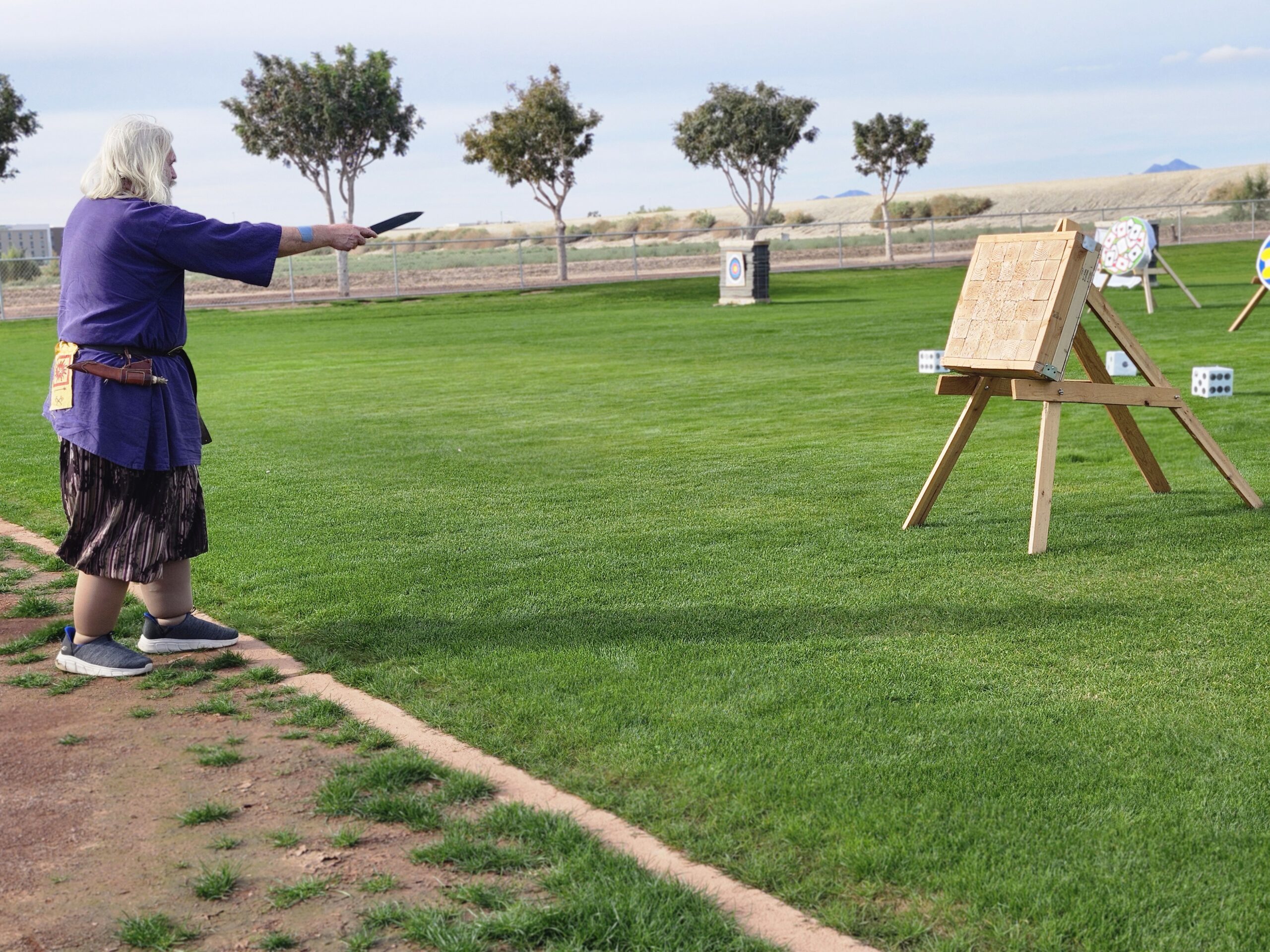
Thrown weapons in the SCA is a martial activity focused on hurling medieval-style weapons at wooden targets. It is open to participants of all ages and skill levels, with loaner gear typically available for newcomers at practices and events. Weapons used can include:
- Axes: Hand-axes or hatchets thrown at wooden targets.
- Knives: Balanced throwing knives designed for safety and ease of use.
- Spears: Thrown at either hard wooden targets or soft targets, typically from a longer distance than knives or axes.
- Specialty Items: Some events may allow plumbata (weighted Roman lawn darts) and slings with soft ammunition.
Like archery, participants can compete in various formats, including the Standard Royal Round. This standardized test consists of 10 throws each for axes, knives, and spears at varying distances, such as 10 and 20 feet. Throwers can earn ranks based on their top three averaged scores.
All weapons must be inspected by a trained saftey officer called (warranted marshal) before use. Ranges are strictly monitored with clear “commence” and “retrieve” commands to ensure participant safety.
How to Start:
The only requirement to begin is often just wearing closed-toe shoes. You do not need to own equipment to try it out. For more information please fill out the contact form below and/or email the Archery Marshal at archery@burningsands.atenveldt.org.
Practice: Held once a month at the Pacific Avenue Athletic Complex (PAAC) Archery Field. For details on date and time for our next practice check News & Calendar, Facebook, or email the Archery Marshal at archery@burningsands.atenveldt.org.
Next Practice:
Armored Combat
Honor & Valor
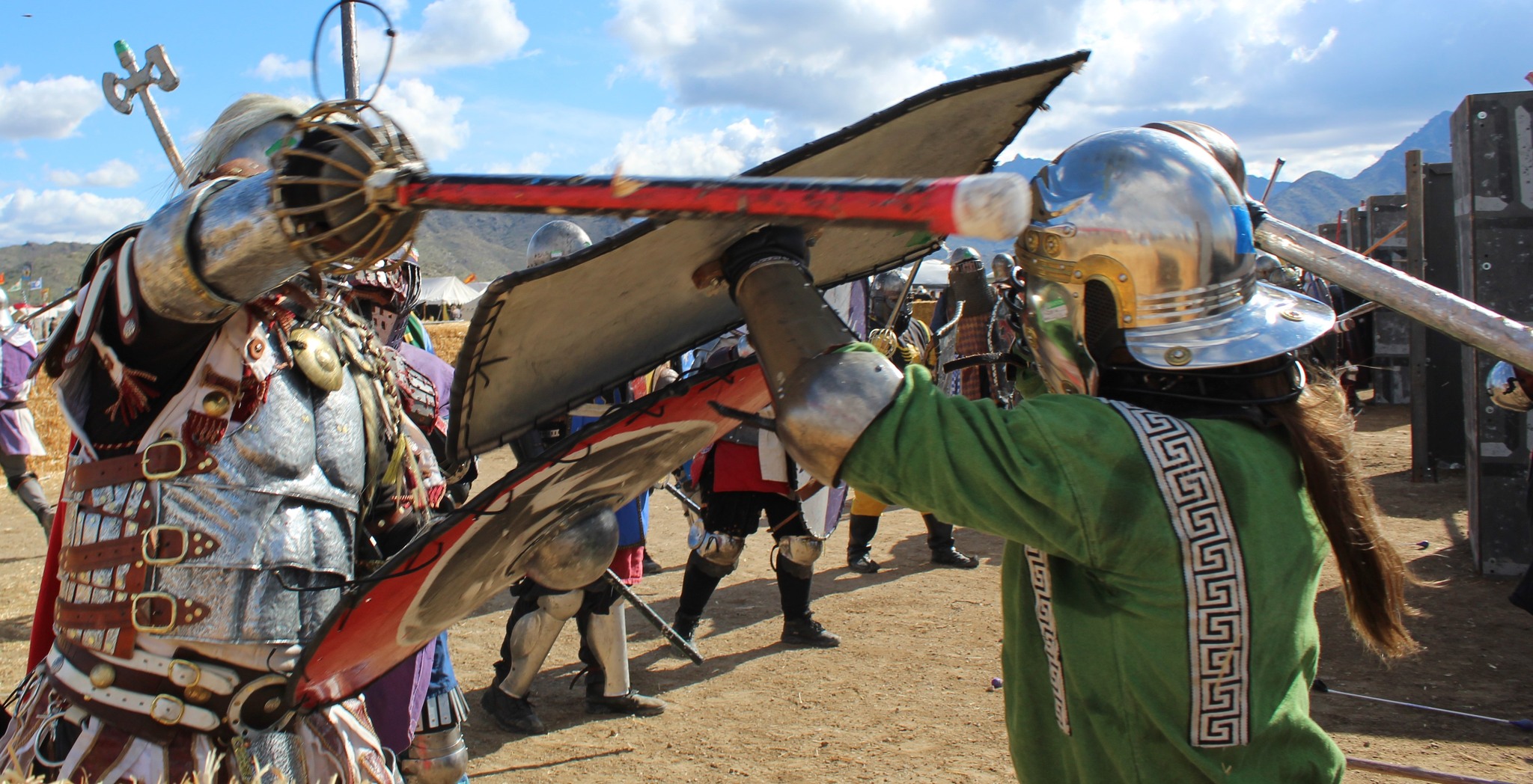
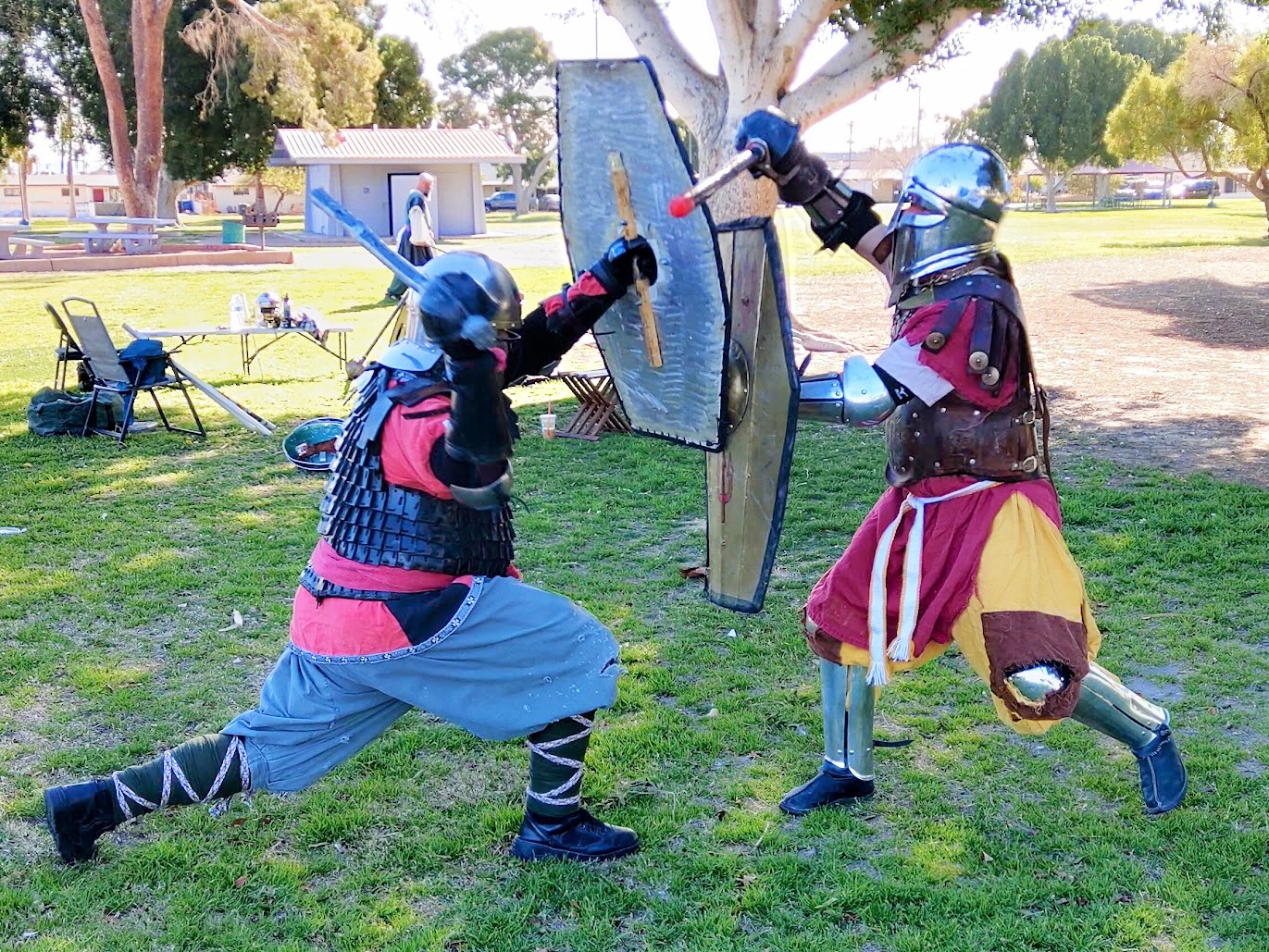
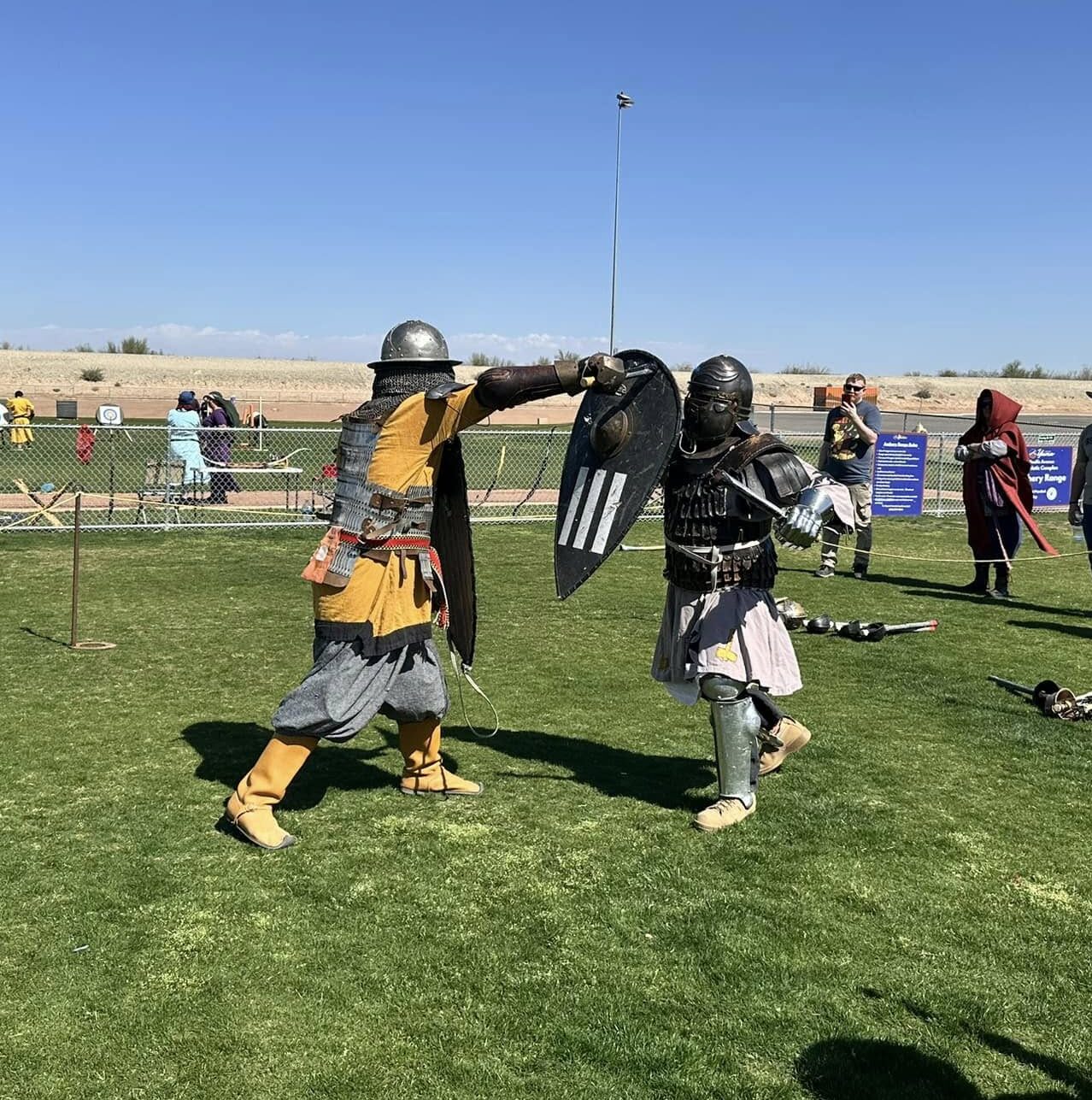
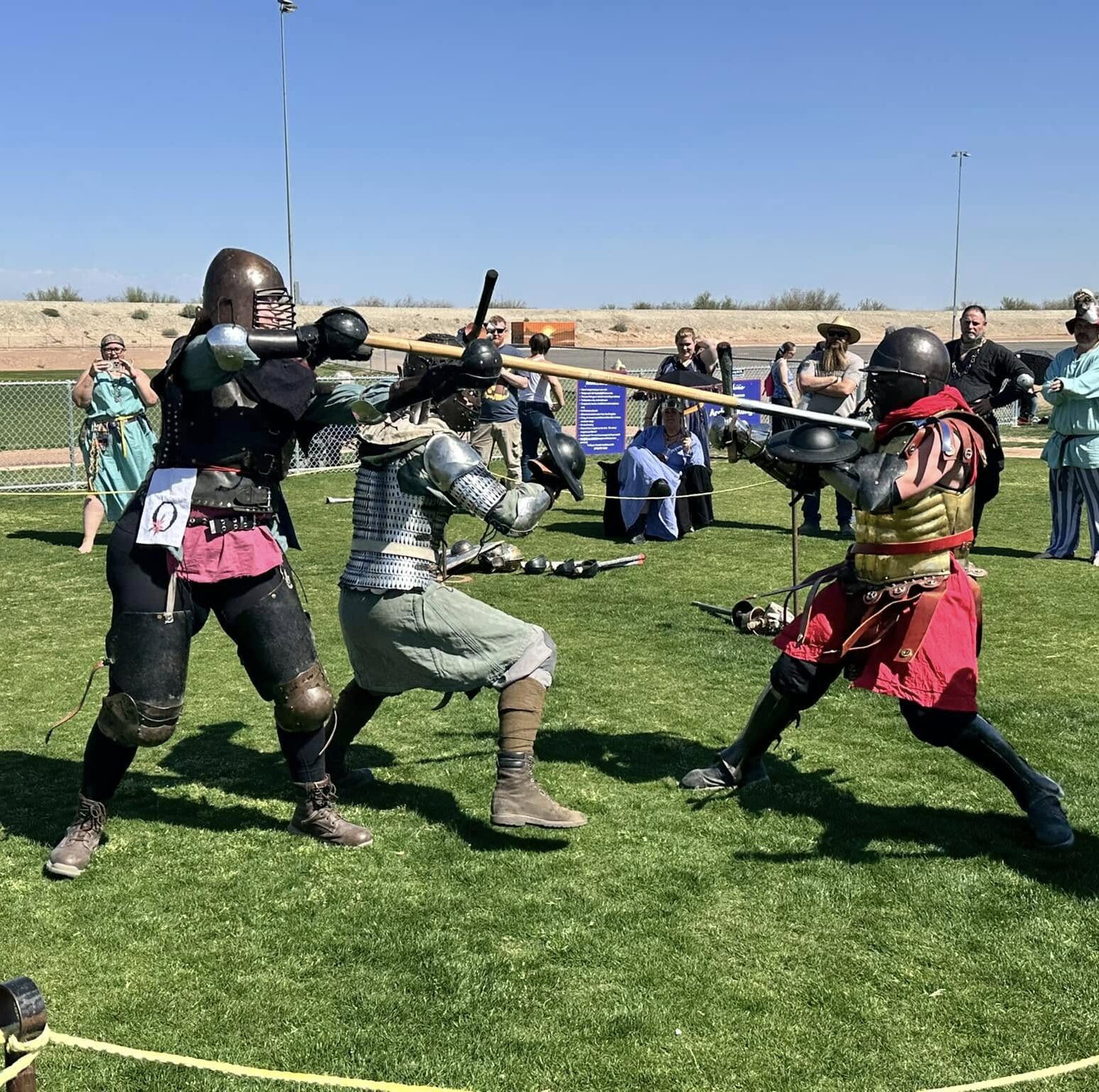
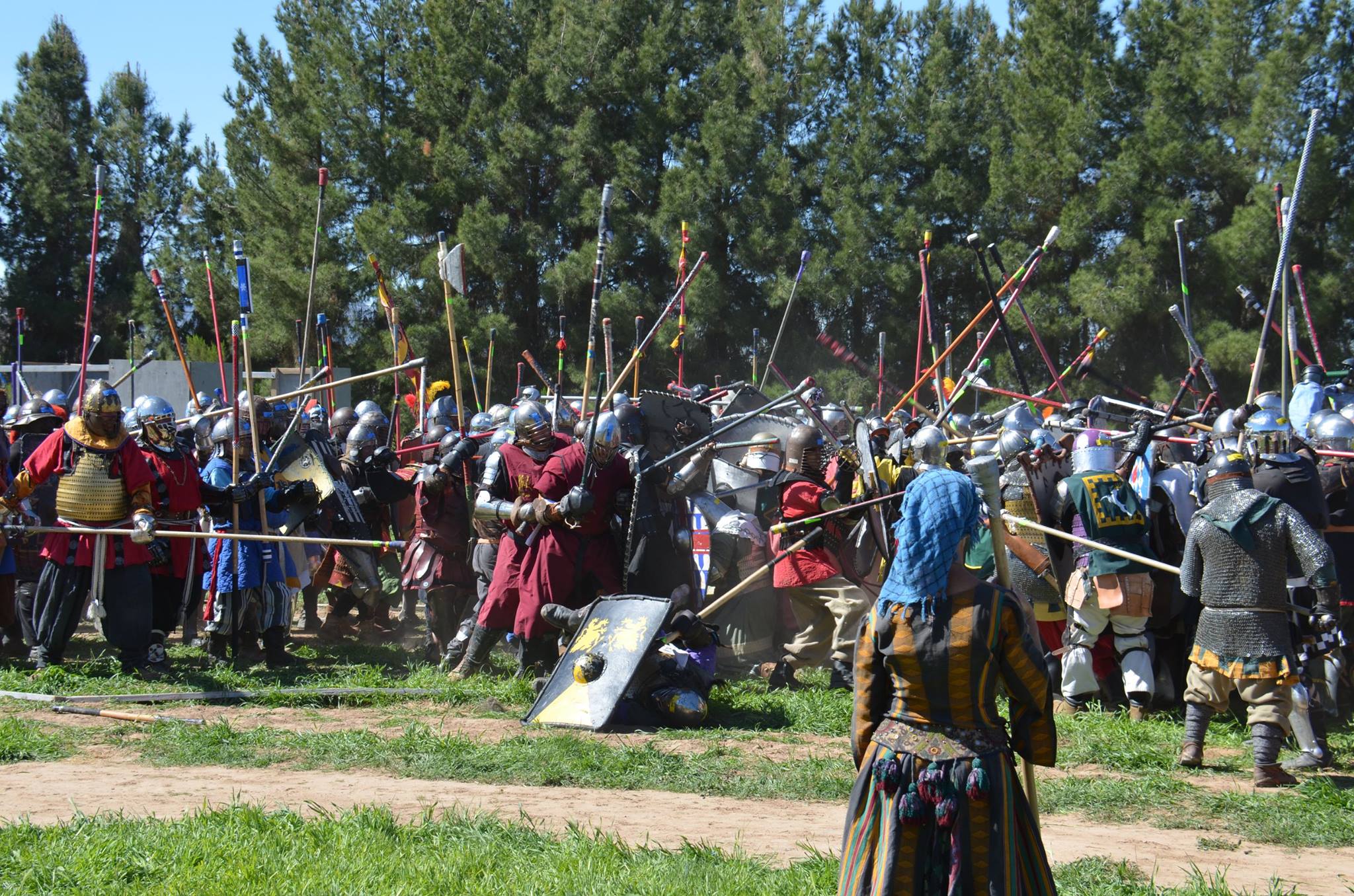
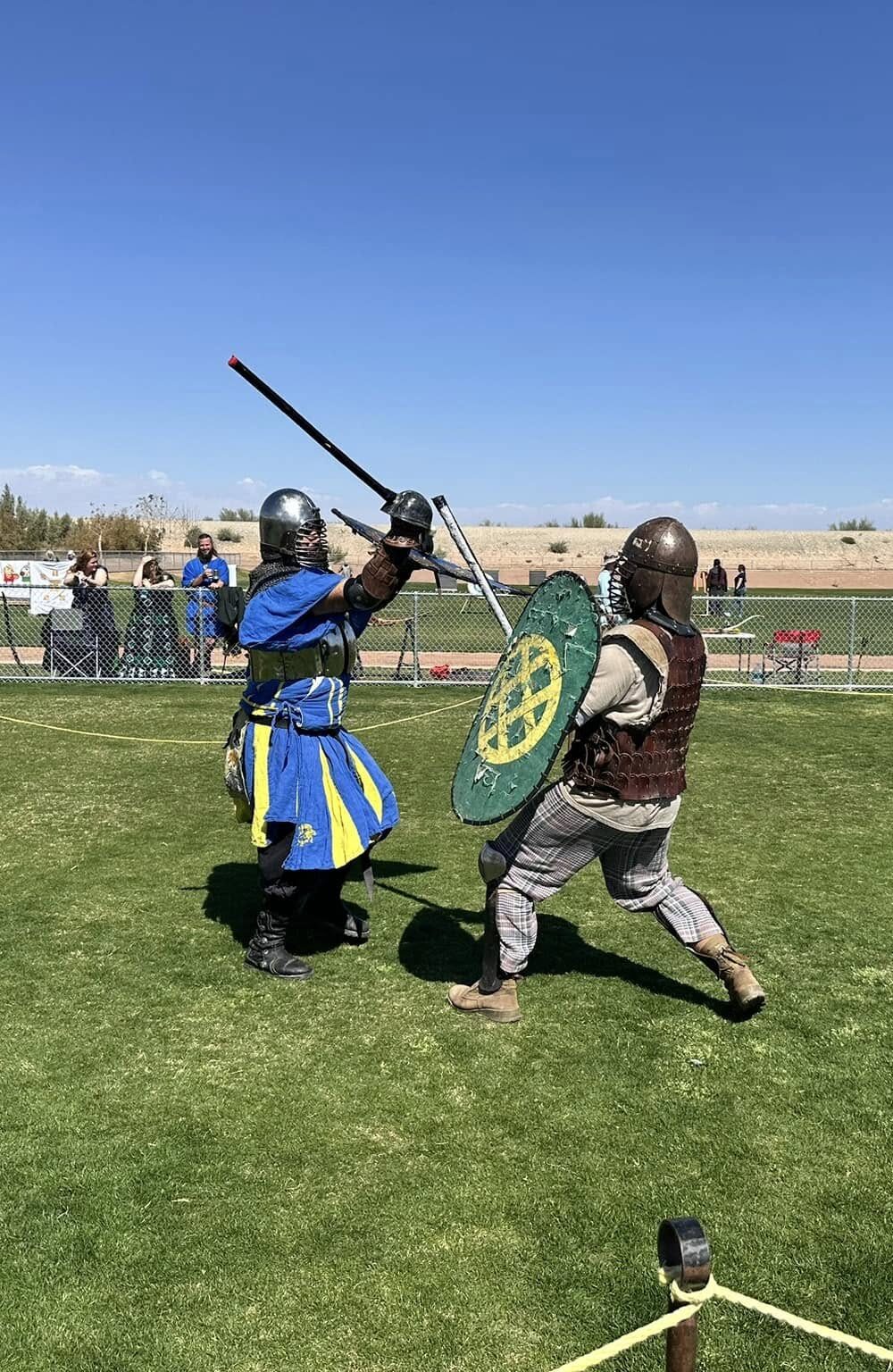
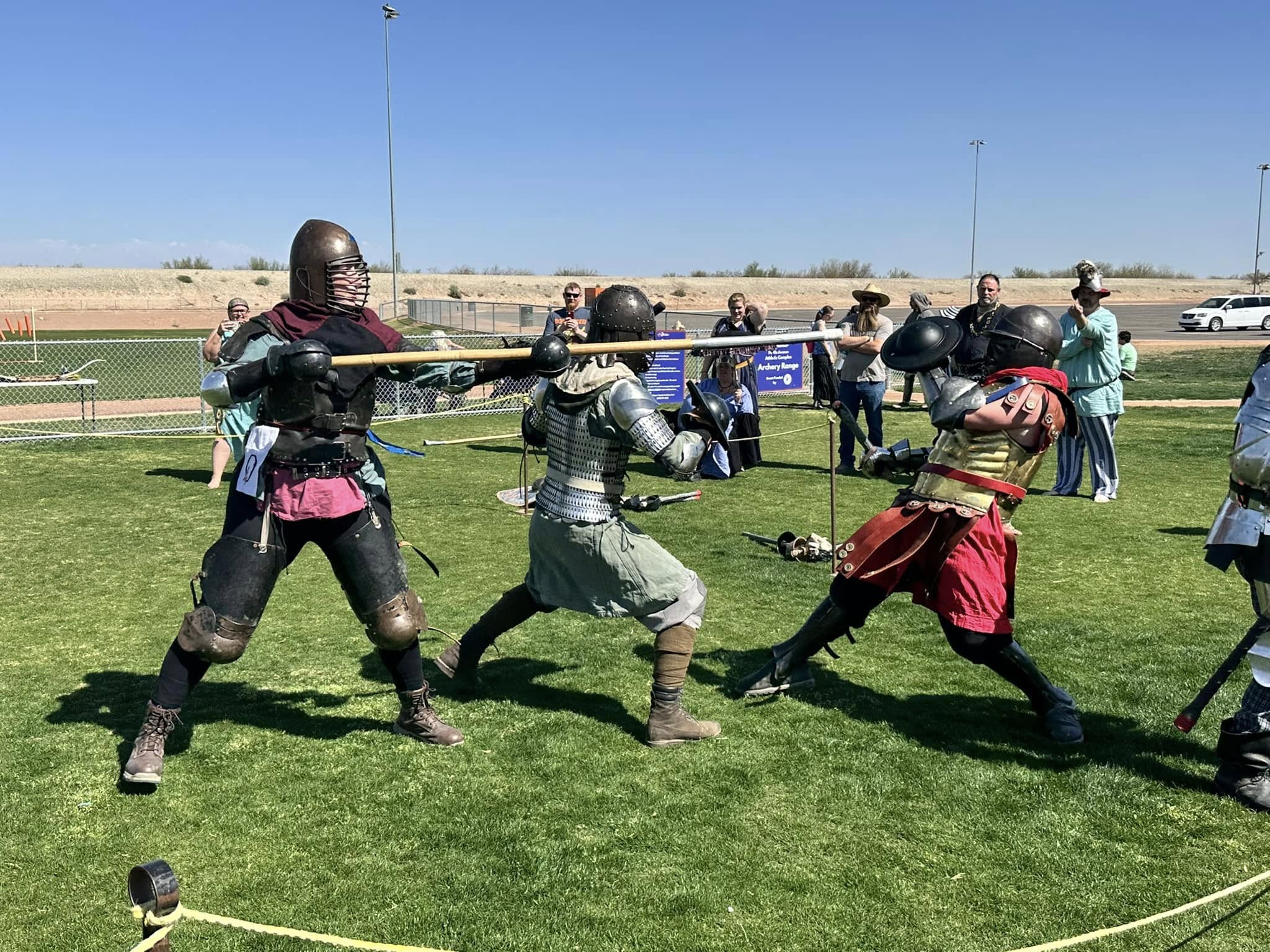
Ever wanted to try your skills with a sword? Well here you can! Test your mettle and learn medieval marshal arts in Heavy or Armored Combat.
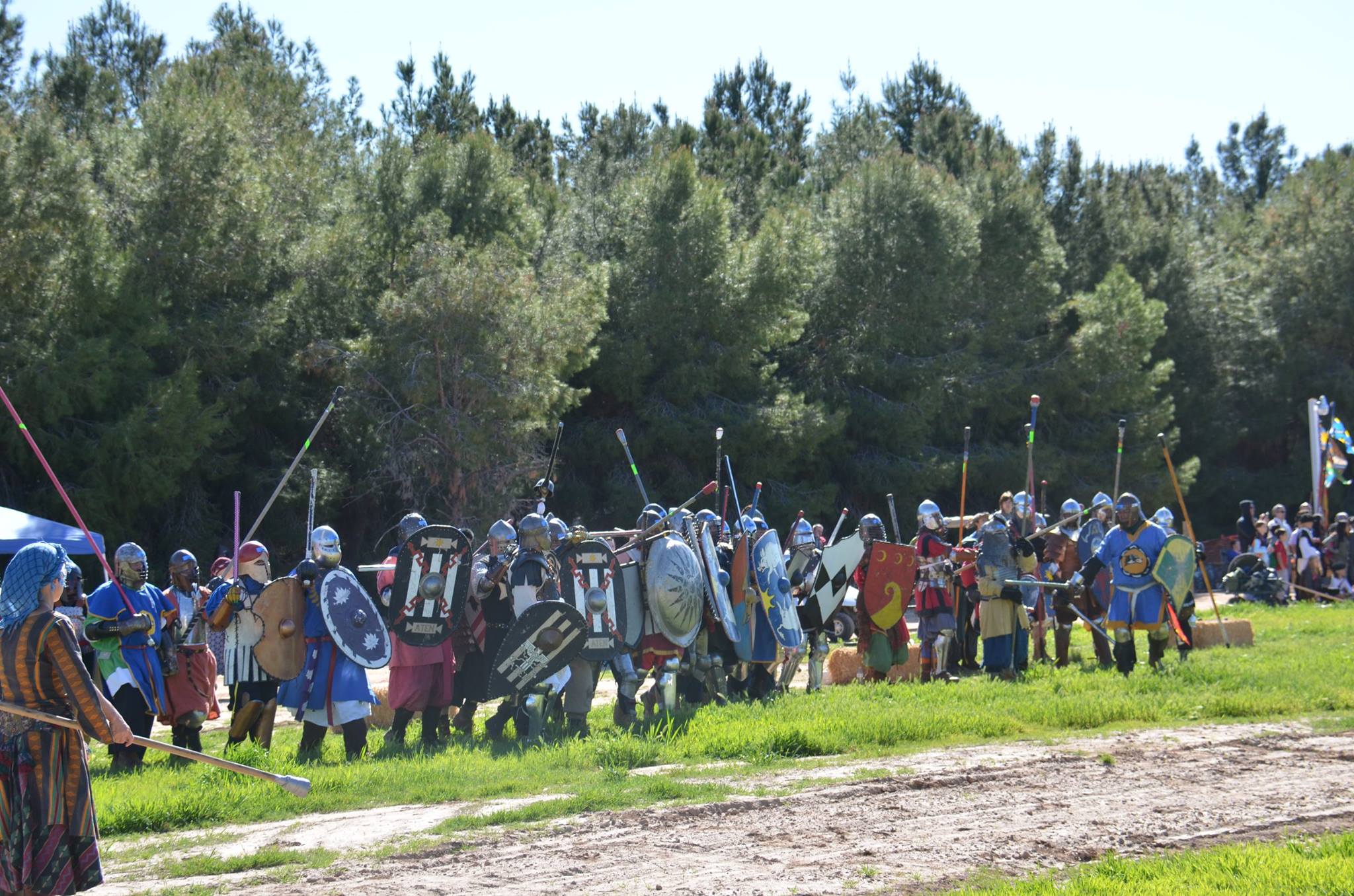
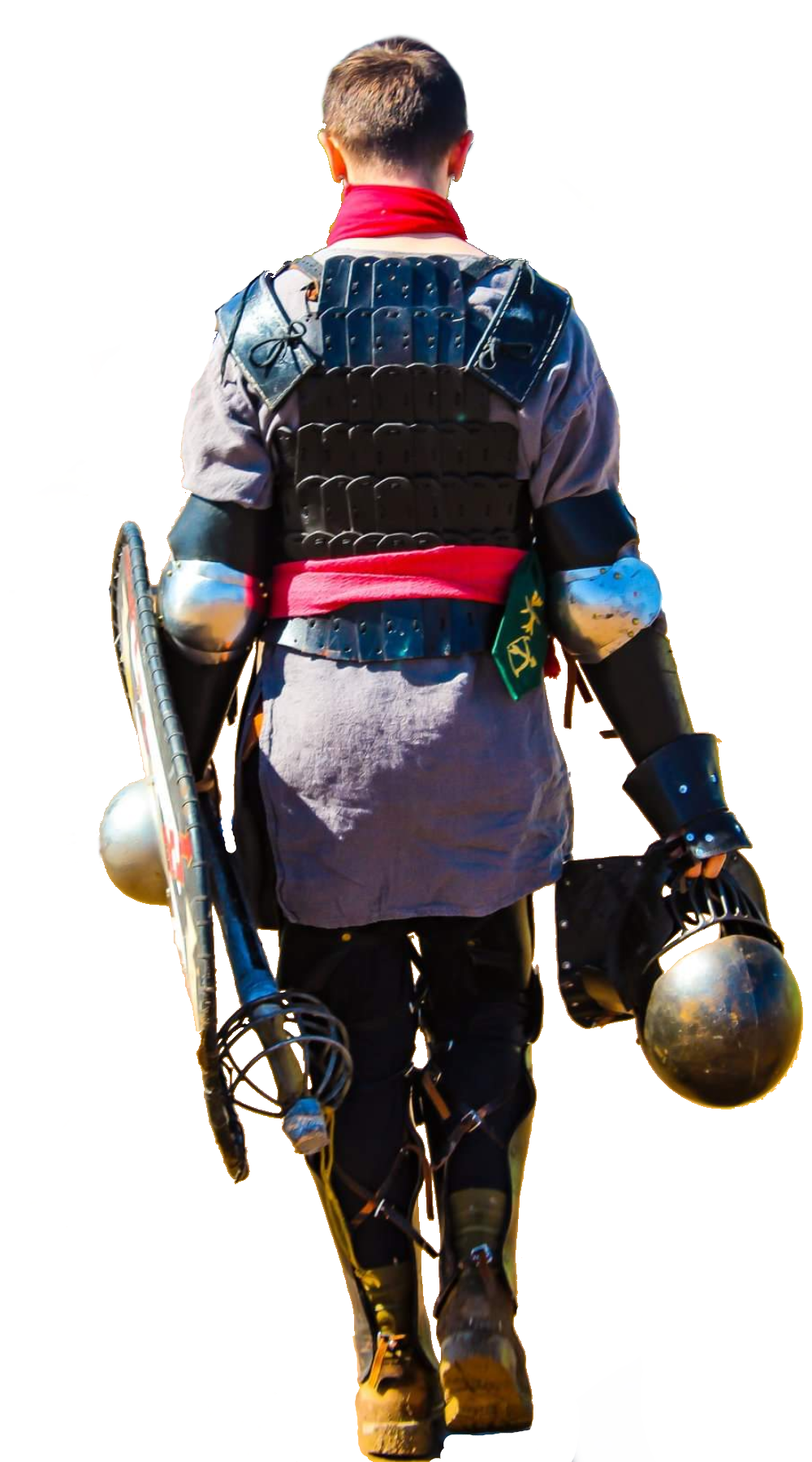
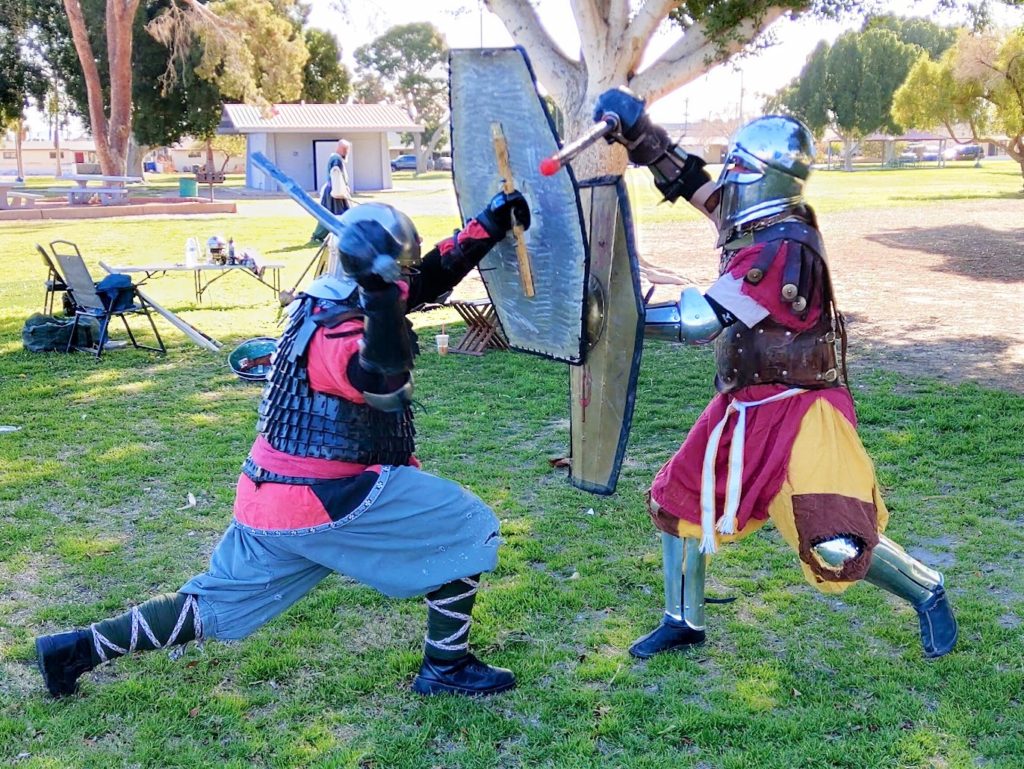
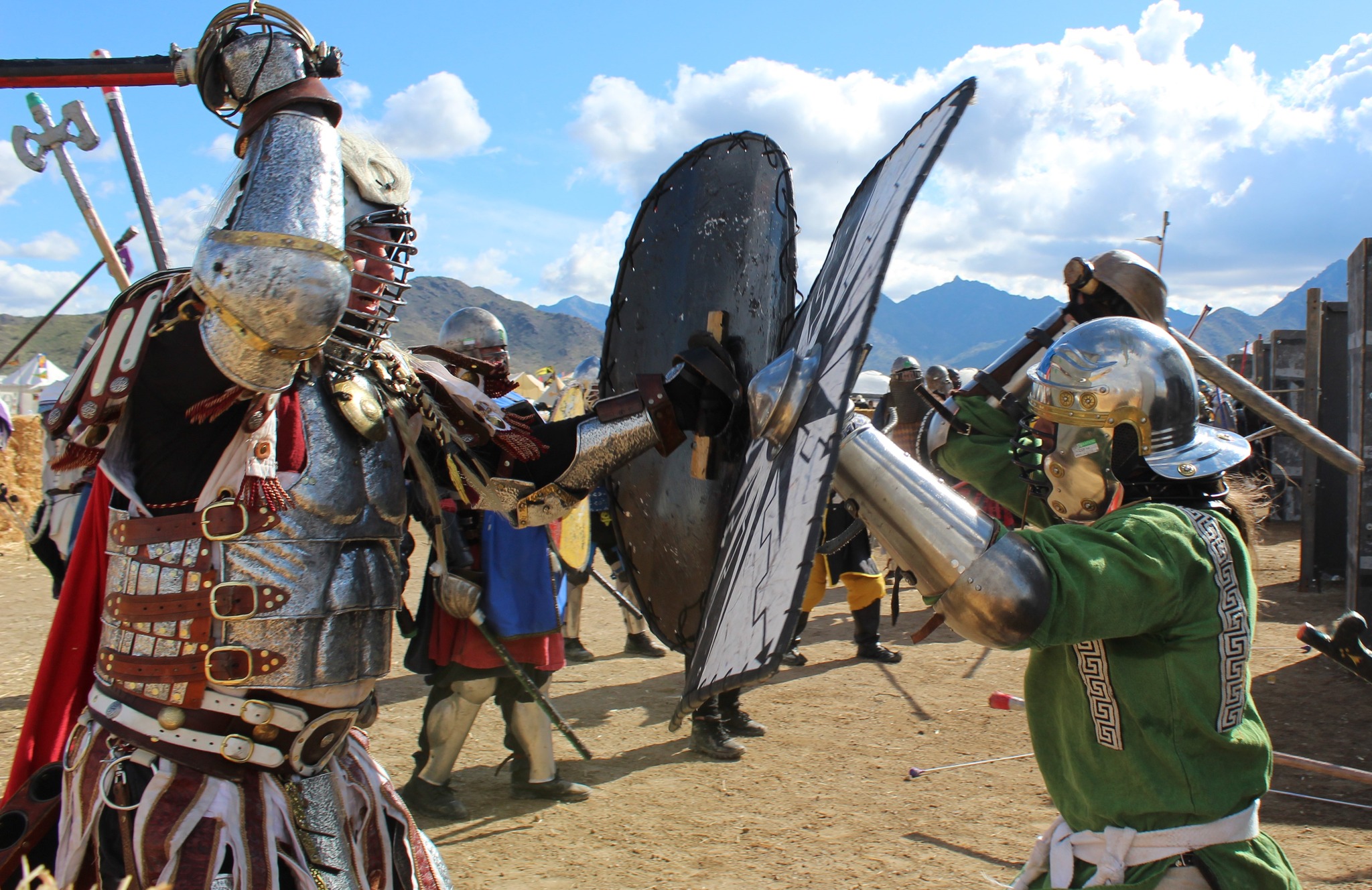
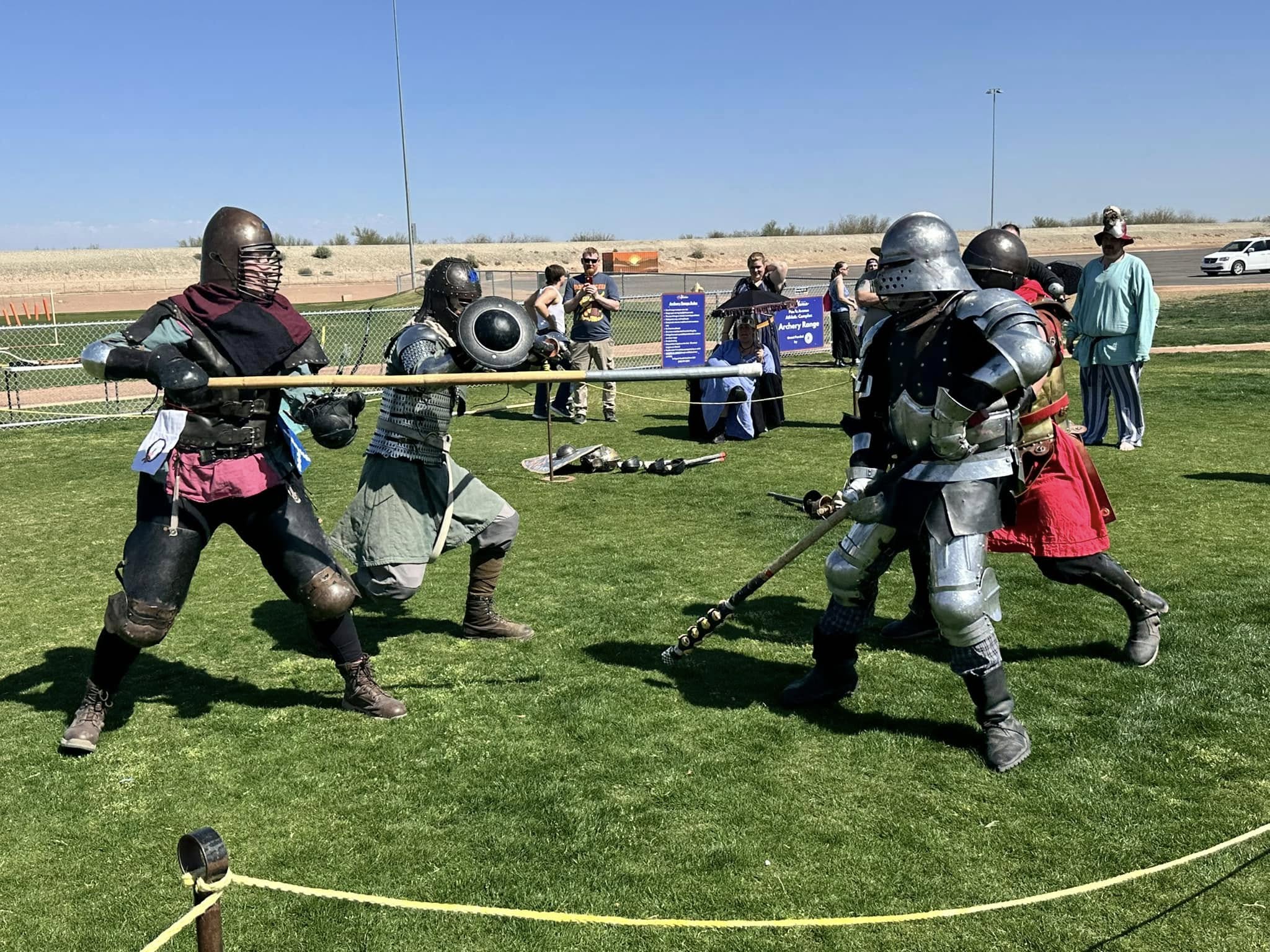
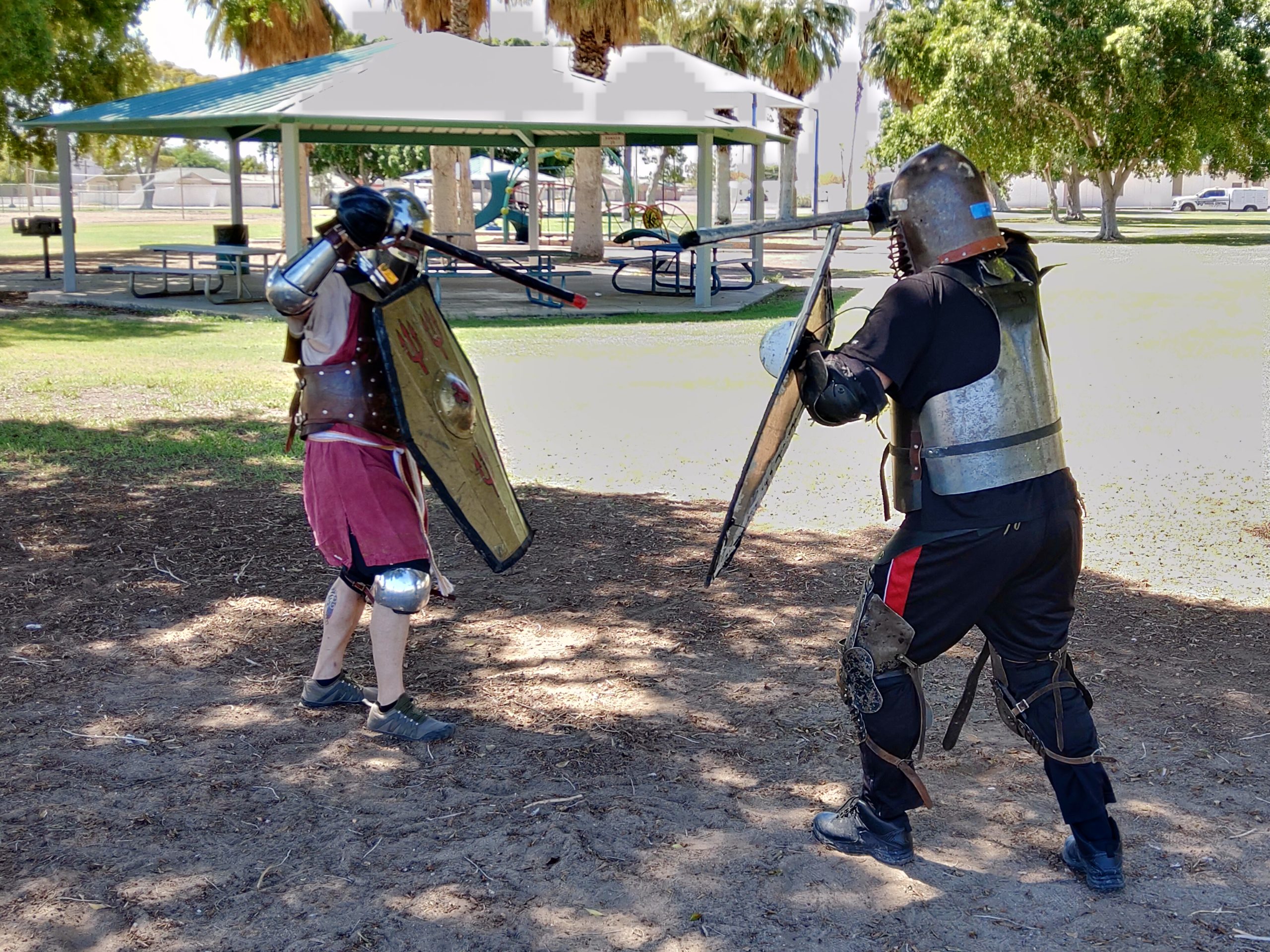
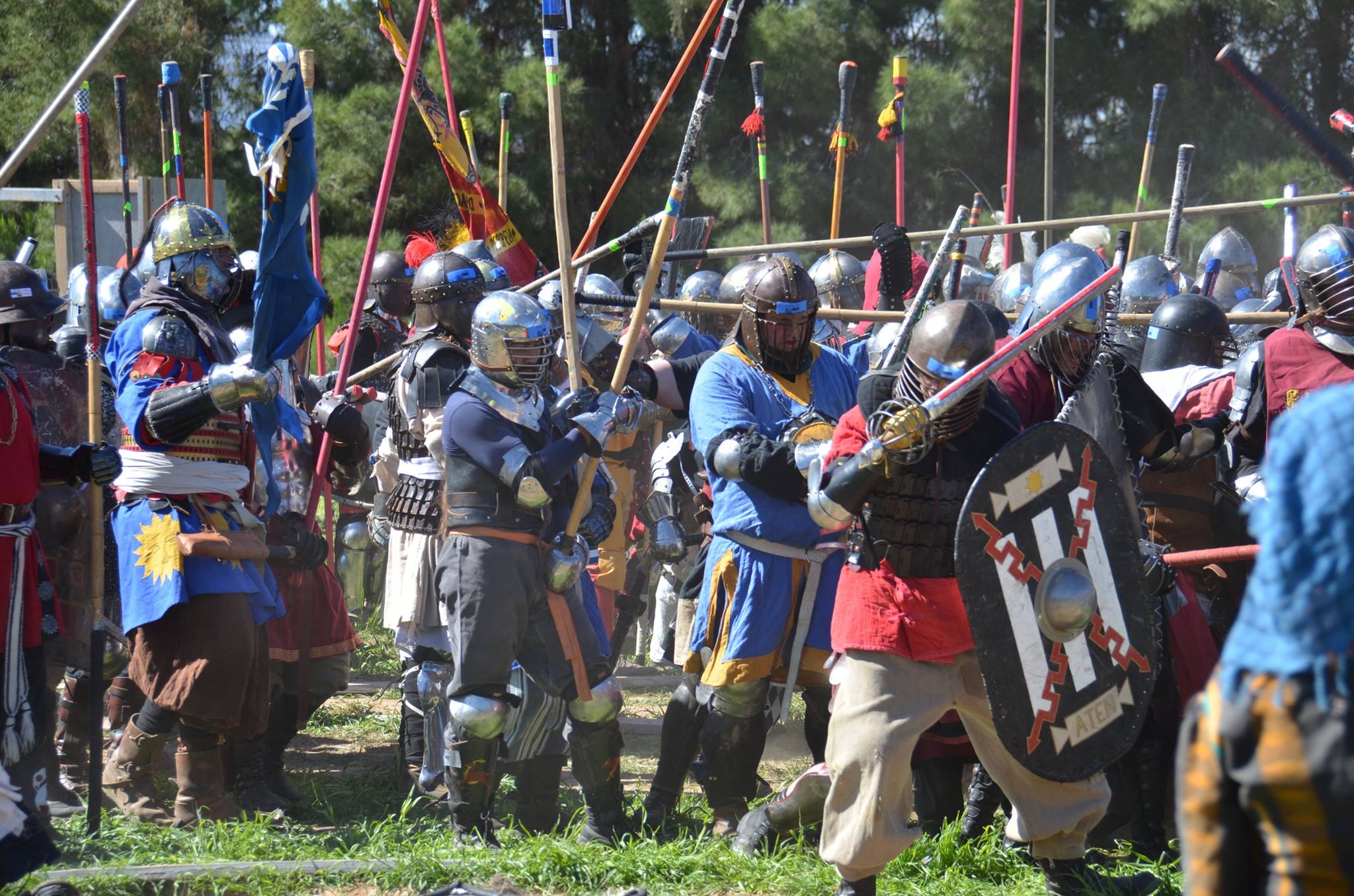
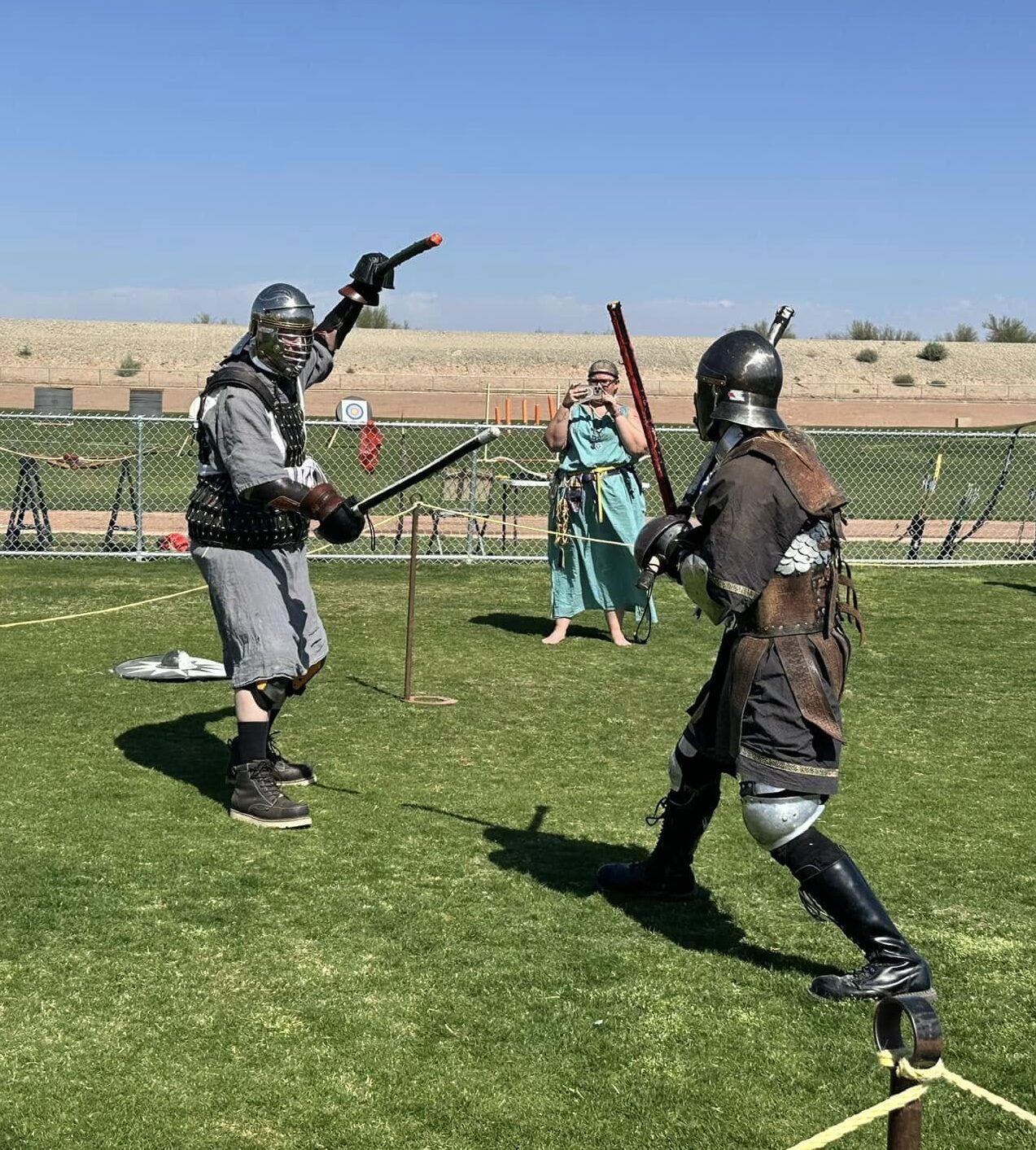
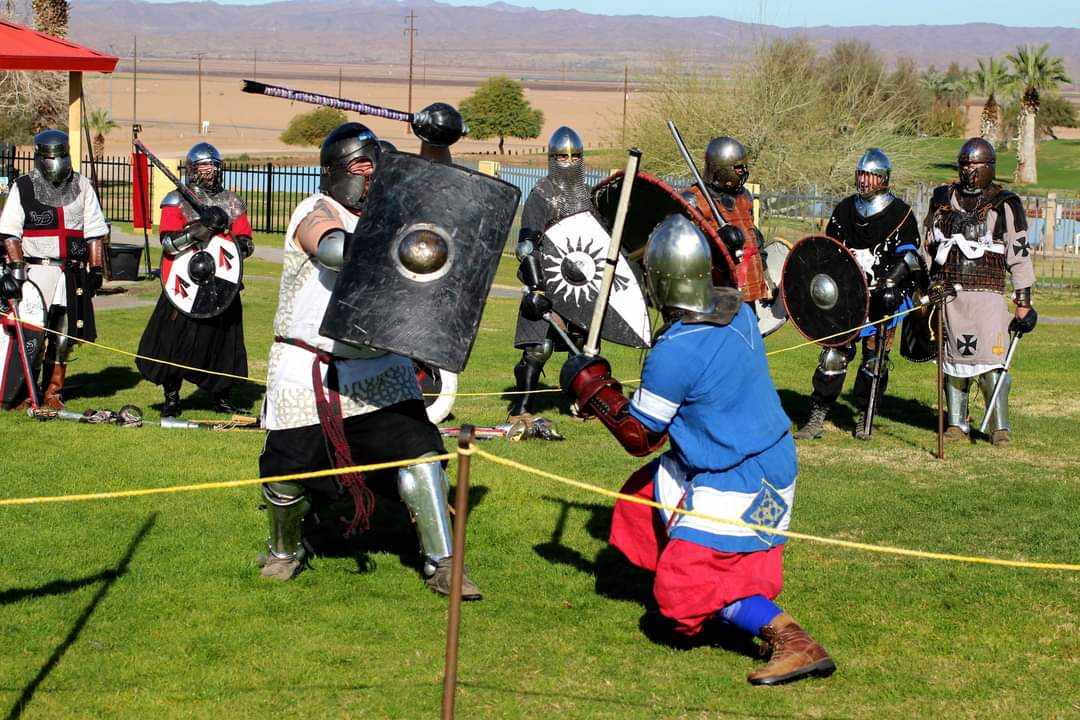
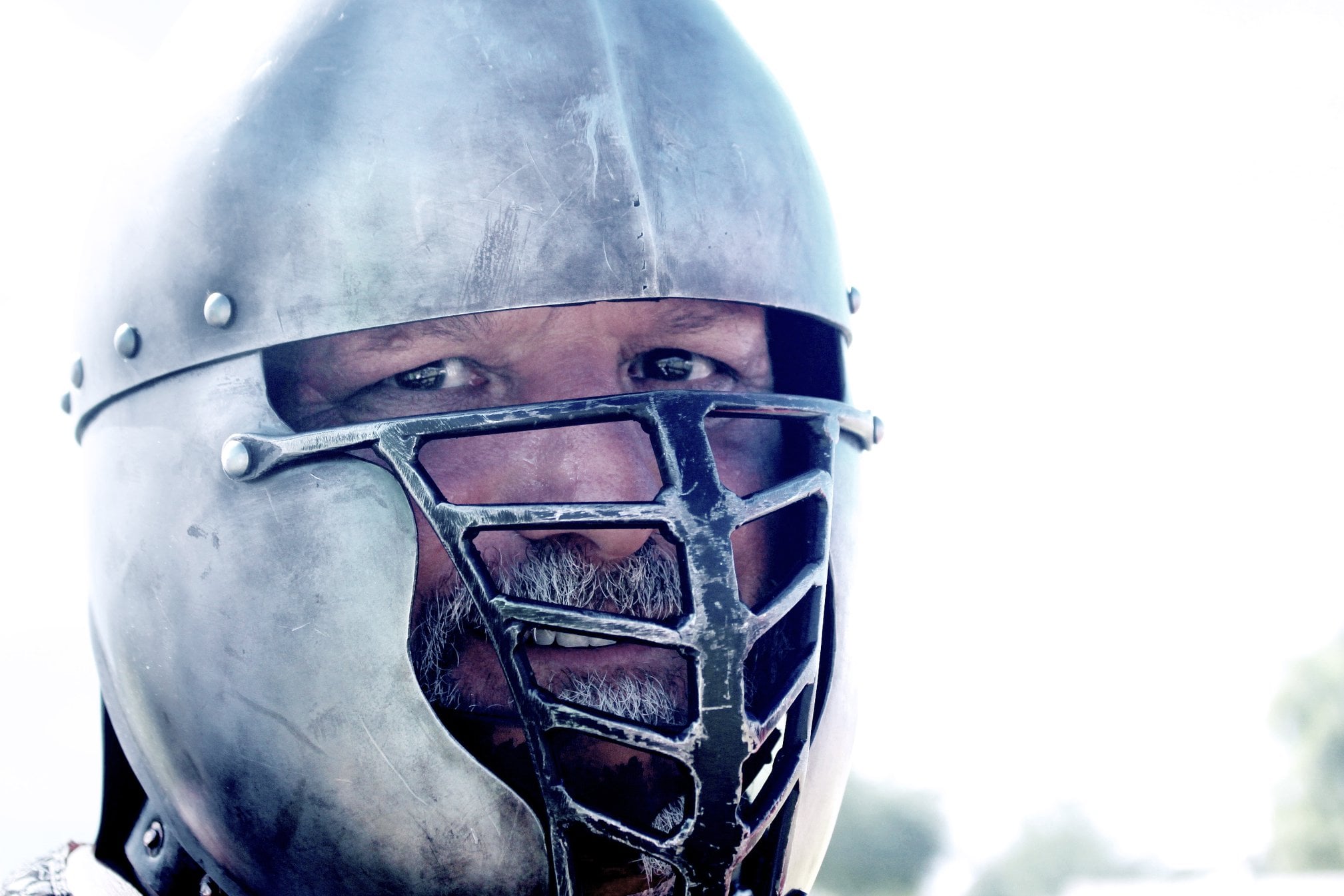
Armored combat, often called “heavy fighting,” is one of the most iconic activities in the SCA, recreating medieval foot tournaments and melee battle scenarios through full-speed, full-contact competition.
How it Works
The Honor System: Combat is unchoreographed and relies on the honor of the participants. Since weapons are not made of steel, fighters must judge for themselves if a blow would have “wounded” or “killed” them based on the force and location of the strike.
Authorization: Before competing in tournaments or large-scale “wars,” every fighter must undergo an authorization process with a warranted marshal to prove they can fight safely and know the rules.
Participation: Men and women compete together on equal terms. Youth versions of the sport are also available for participants ages 6–17.
Equipment
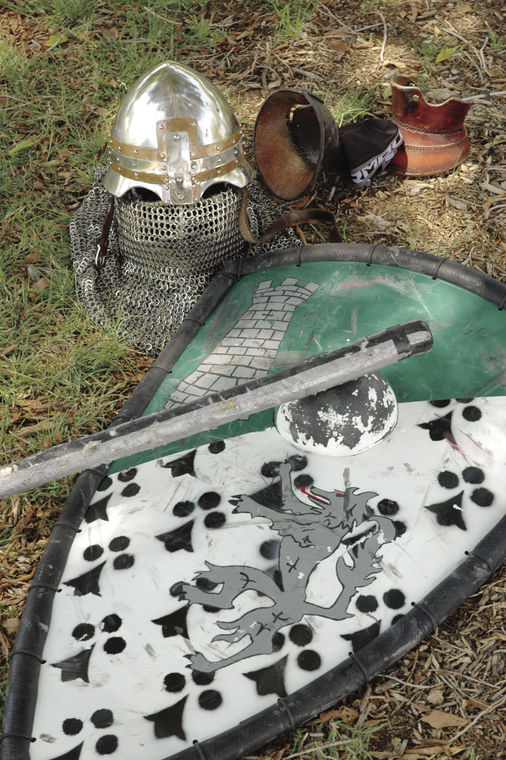
Weapons: For SCA Armored Combat (most) weapons are made of rattan, a solid-core grass similar to bamboo that “brooms” rather than splintering. The use of rattan allows for full-force strikes without serious injury and more freedom in selection of armor from many different periods and cultures, as opposed to the much stricter armor requirements necessary for using blunted steel weapons in sports like Buhurt. Common weapons include swords, maces, axes, and spears. The most common weapon construction involves wrapping the rattan in fiber tape (helps prevent the rattan fibers from breaking apart), then covering it with two opaque tapes of contrasting colors, one signifying the striking edge of the weapon and the other the flat side.
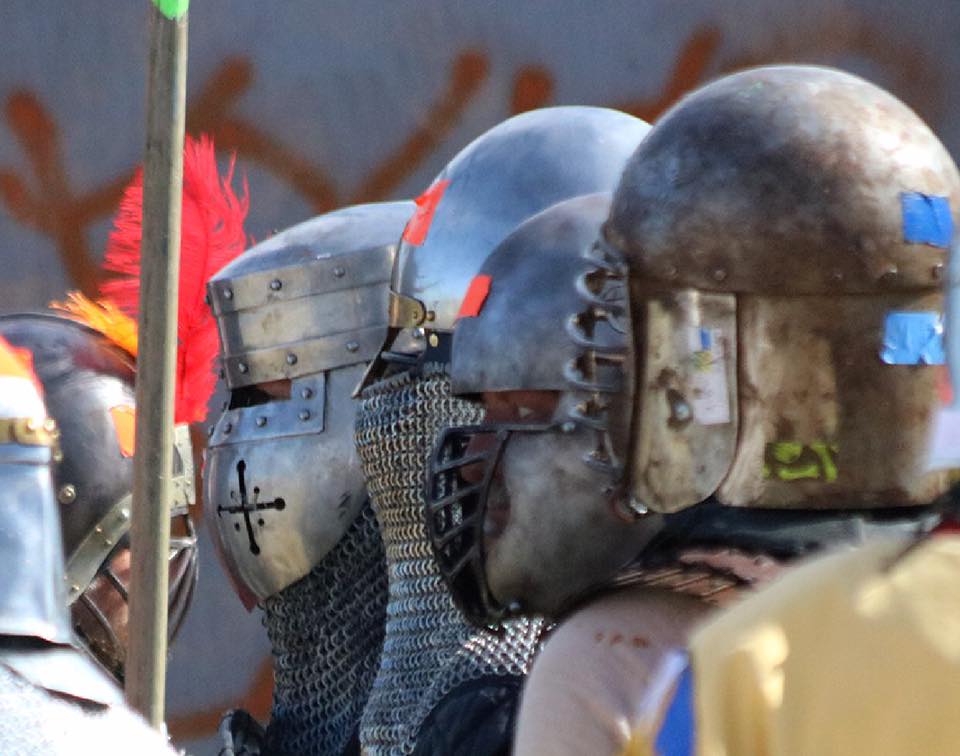
Armor: Fighters wear and often custom-make armor that must meet safety standards, including a steel helmet (minimum 1.6 mm in metal thickness) and rigid protection for the neck, kidneys, groin, hands, elbows, and knees. Most armor is made from steel or leather, but even high-impact plastic is permissible as long as it is covered or disguised.
How to Get Started:
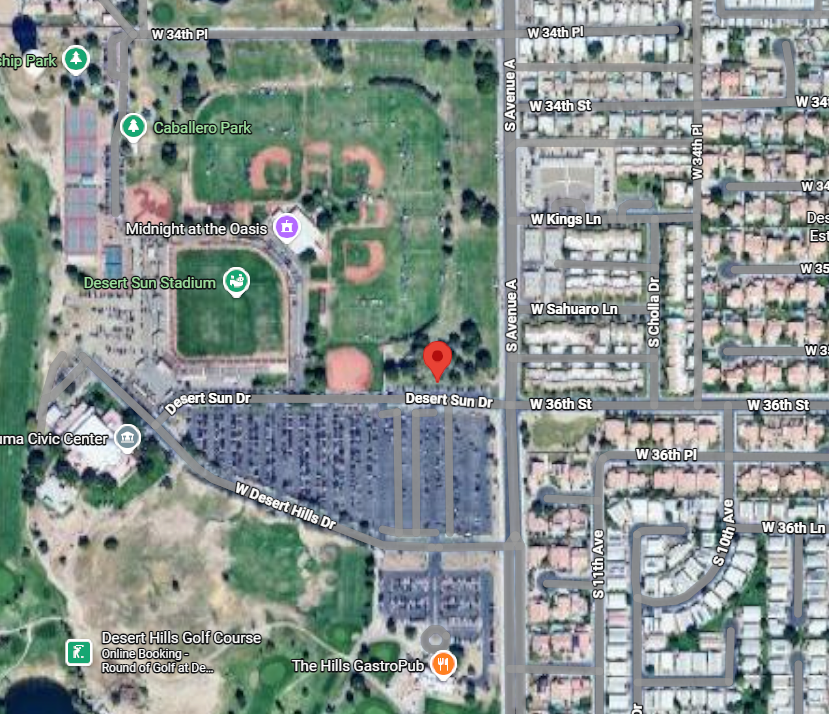
Both Armored Combat and Rapier fighter practices are held Saturdays, 8-10am, near Ramada #11 (Avenue A and Desert Sun Dr) of Caballero Park in Yuma, AZ. For notices of cancelled practices and details of upcoming activities check News & Calendar or Facebook. We have loaner gear available, just let us know you are interested by emailing our marshal at marshal@burningsands.atenveldt.org or posting to our Facebook group!
Next Practice:
Rapier
Dance of Blades
Ever wanted to try your skills with a sword? Well here you can! Test your mettle and learn medieval marshal arts in Rapier fighting.
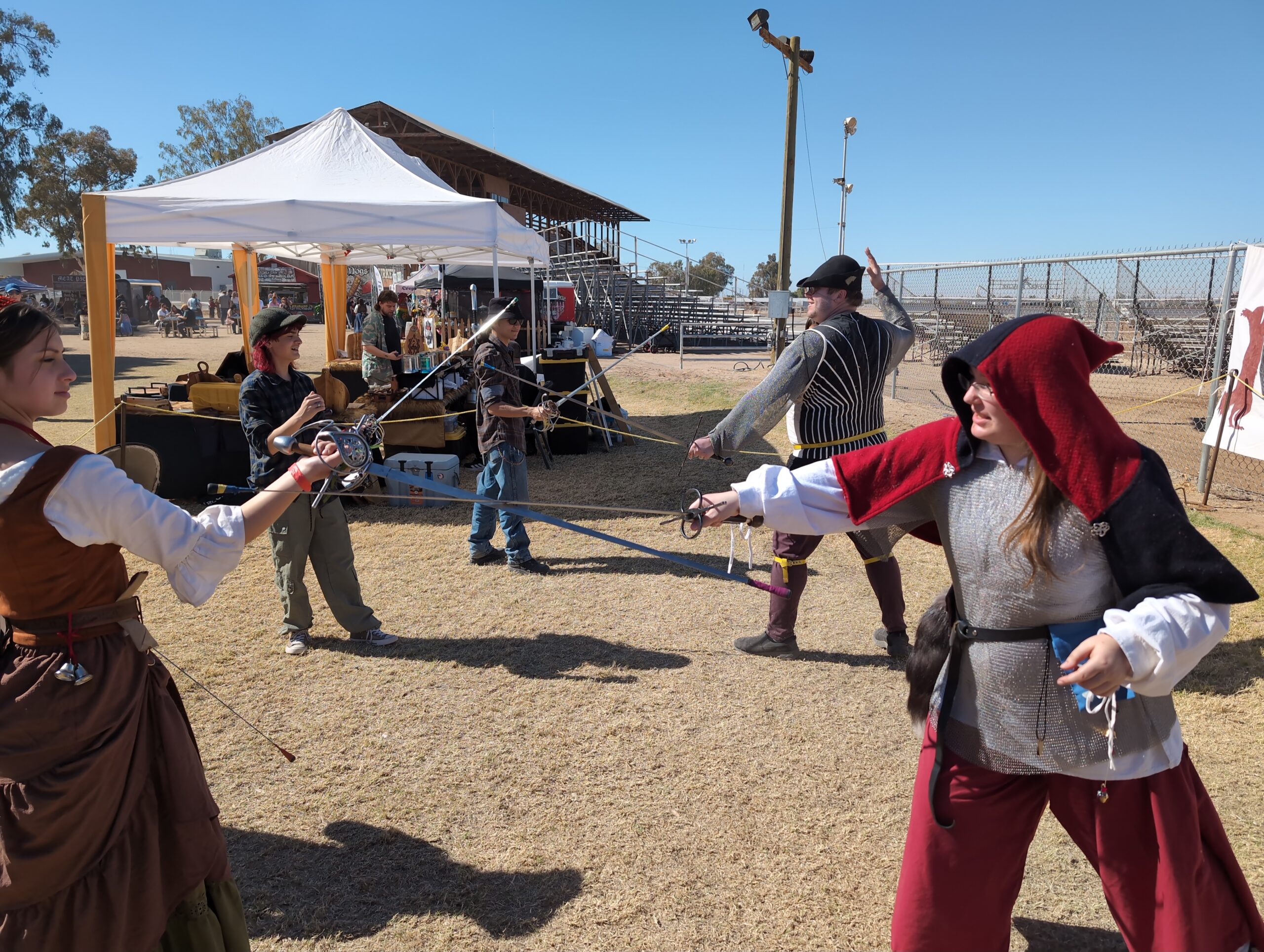
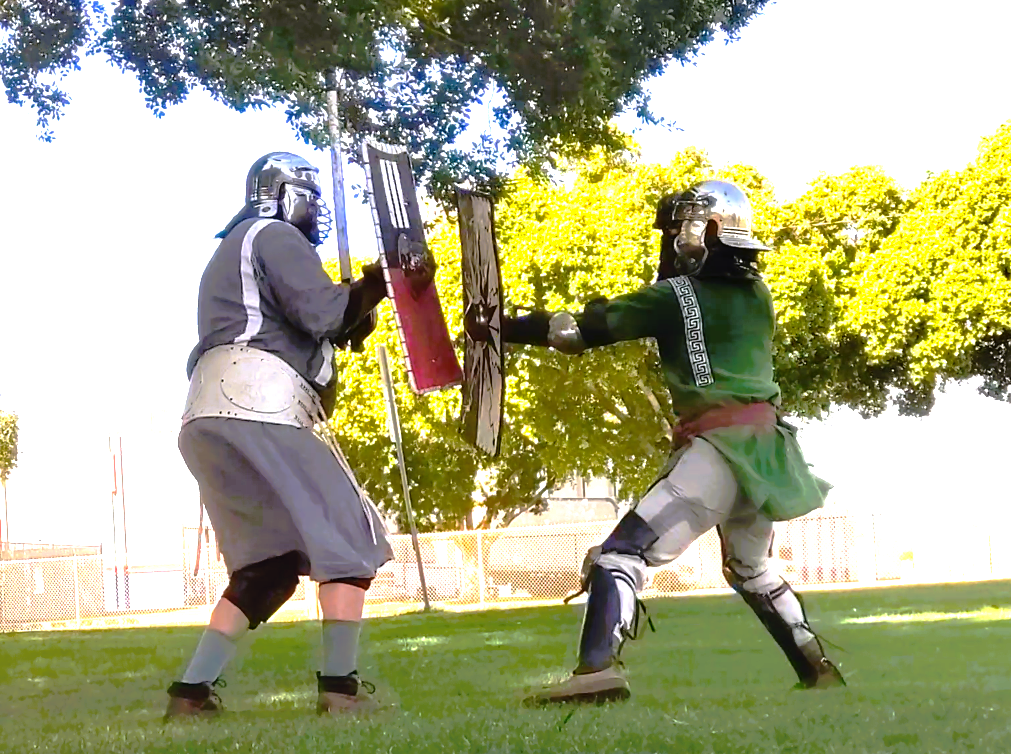
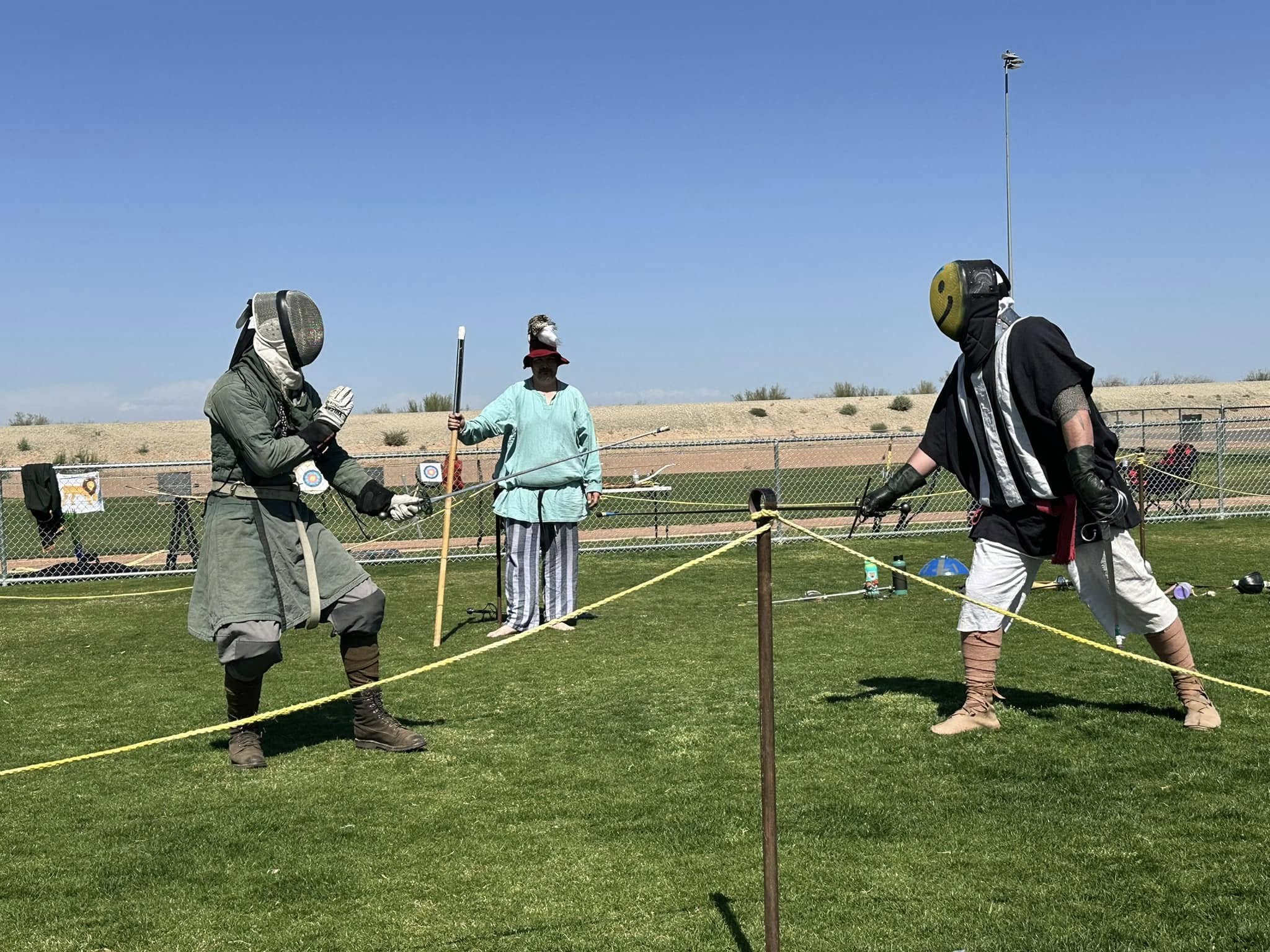
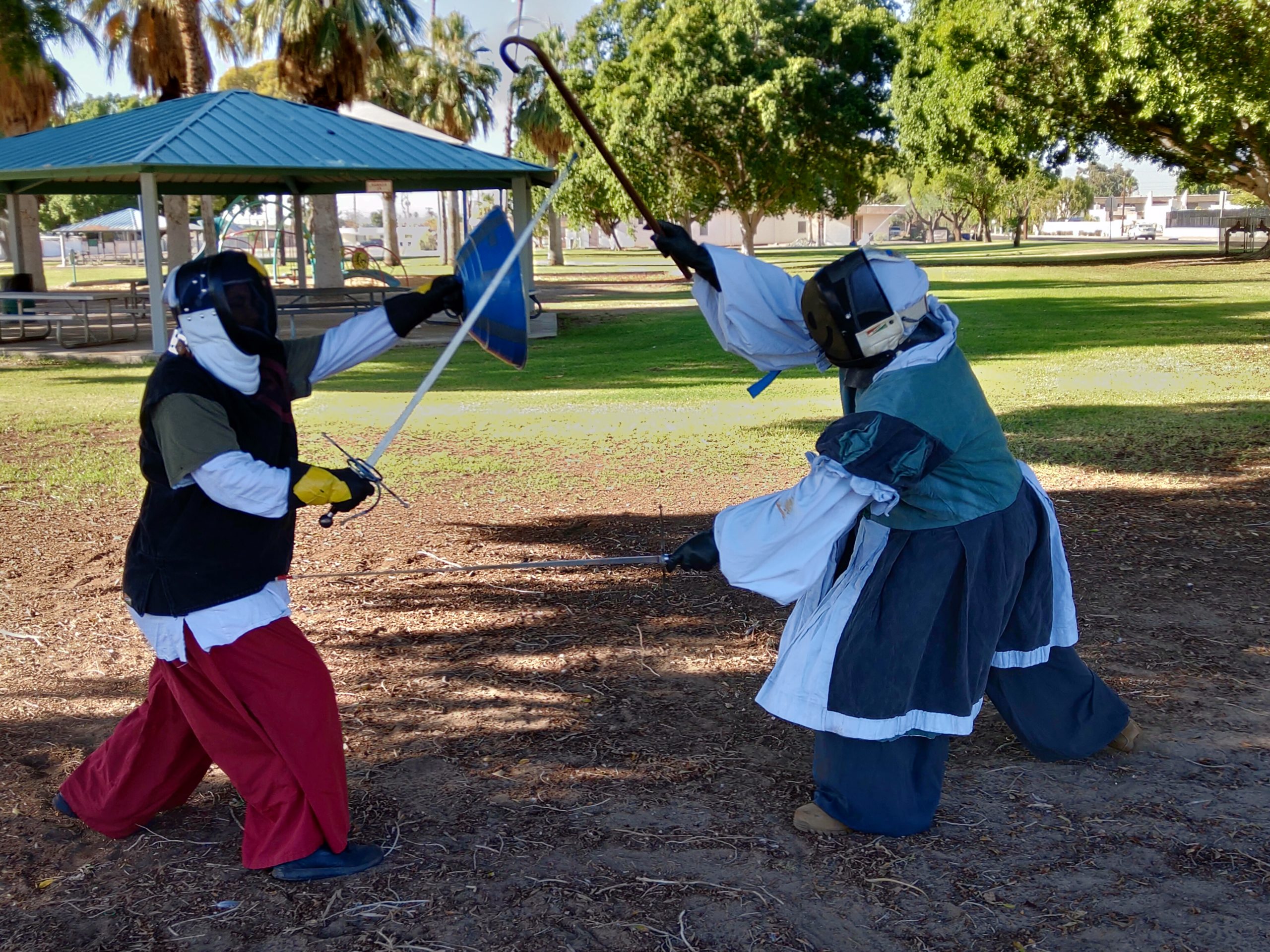
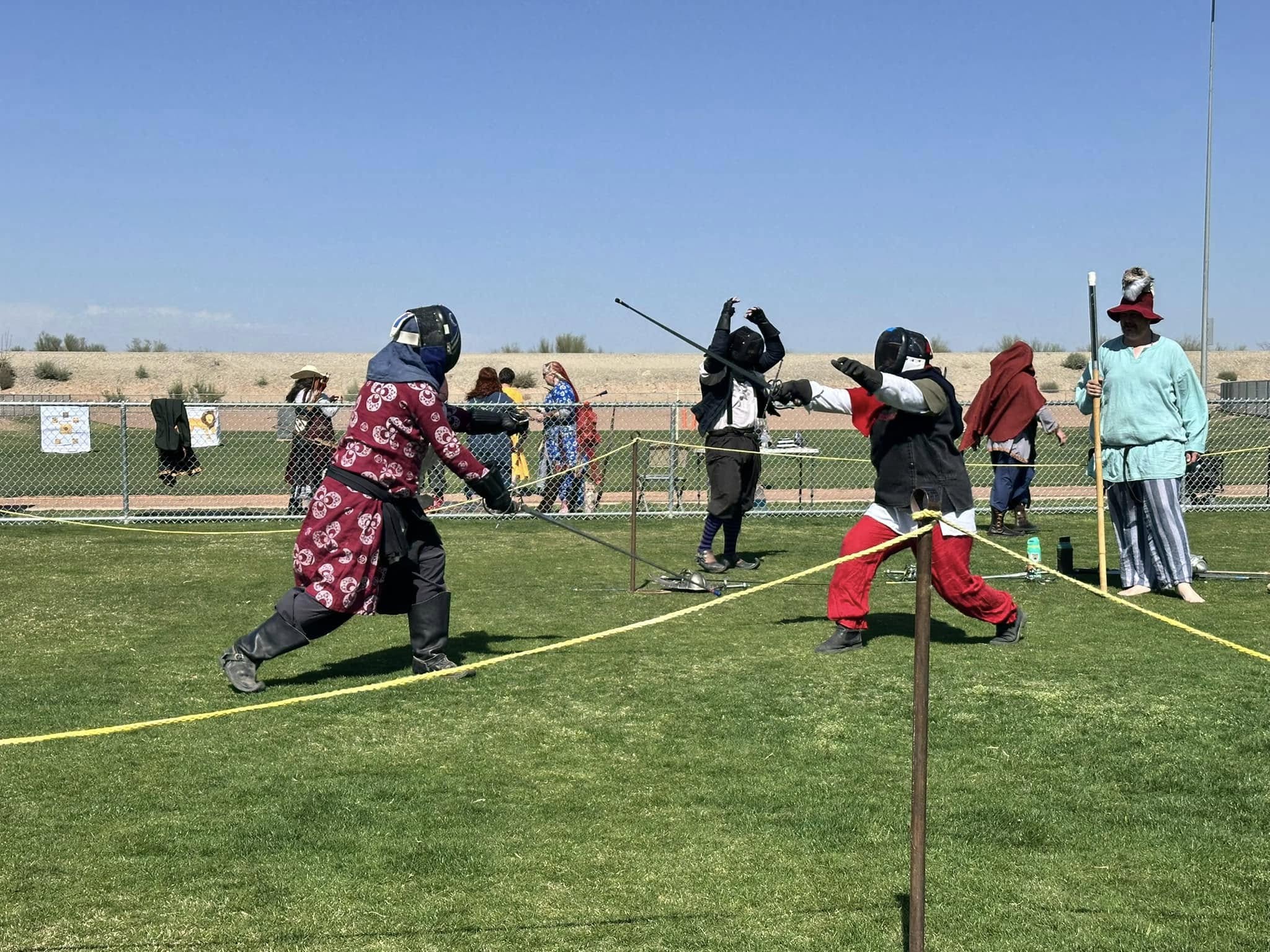
Rapier combat in the SCA (similar to modern fencing) simulates the unarmored civilian duels of the 14th through 16th centuries. Unlike modern Olympic fencing, which is limited to a linear strip, SCA fencers move freely in any direction on an open “list field” and use a wider variety of historical equipment.
Weapons and Off-Hand Gear
The most common weapons are full-sized steel replicas of historical rapiers. These blades are heavier and more flexible than modern fencing swords to better simulate period combat.
However, combatants are not limited to a single blade. You can choose to fight with a single rapier or pair it with various period-appropriate defensive items in your off-hand:
- Daggers (Main gauche)
- Bucklers (Small handheld shields)
- Cloaks, canes, or even a second sword (Case of rapiers)
Cut and Thrust
An advanced hybrid style that allows percussive (hitting) edge-blows in addition to thrusts and draw-cuts. It often utilizes different swords, such as side-swords or longswords, and requires more rigid armor for safety.
Safety and Honor
- Armor Requirements: Fighters must be covered from head to toe in puncture-resistant material (like heavy fabric or leather). Mandatory rigid protection includes a fencing mask, a gorget for the neck, and groin protection.
- The Honor System: Like all SCA combat, rapier relies on the honor of the participants to acknowledge when they have been hit. A blow to the head or torso “kills,” while a blow to a limb “disables” that limb (e.g., a hit leg requires the fighter to kneel).
- Authorization: New fighters must undergo a safety authorization process with a marshal before competing in official tournaments.
Ready to try it?
Both Armored Combat and Rapier fighter practices are held Saturdays, 8-10am, near Ramada #11 (Avenue A and Desert Sun Dr) of Caballero Park in Yuma, AZ. For notices of cancelled practices and details of upcoming activities check News & Calendar or Facebook. We have loaner gear available, just let us know you are interested by emailing our marshal at marshal@burningsands.atenveldt.org or posting to our Facebook group!
Next Practice:
Fighter Practice
Both Armored Combat and Rapier fighter practice are held Saturdays, 8am-10am, near Ramada #11 (SE side) of Caballero Park in Yuma, AZ. For notices of cancellation please check our calendar and our Facebook group!
If you are interested in combat sports and martial arts, come give it a try! We have loaner gear available, just let us know you are interested by emailing our
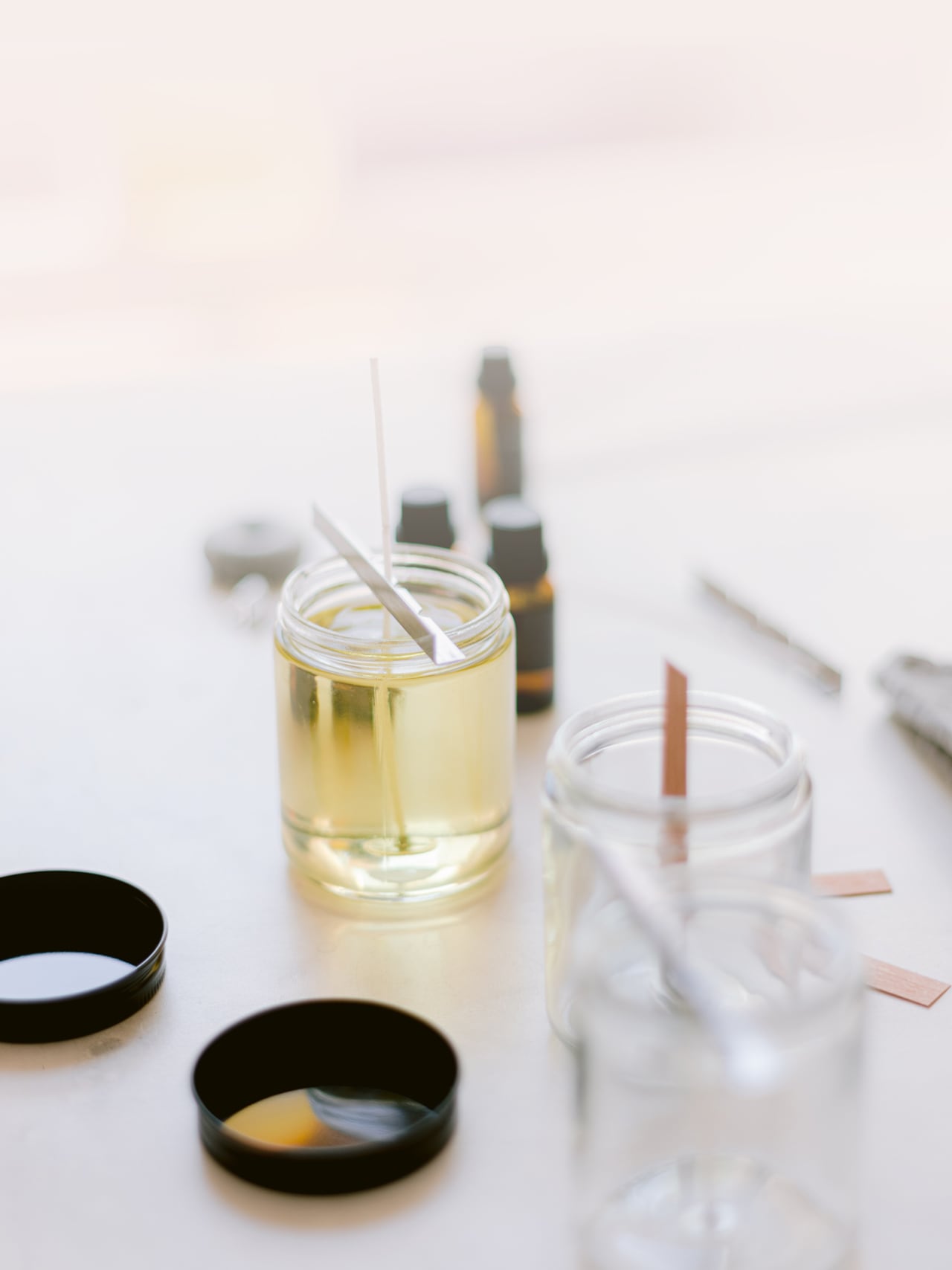
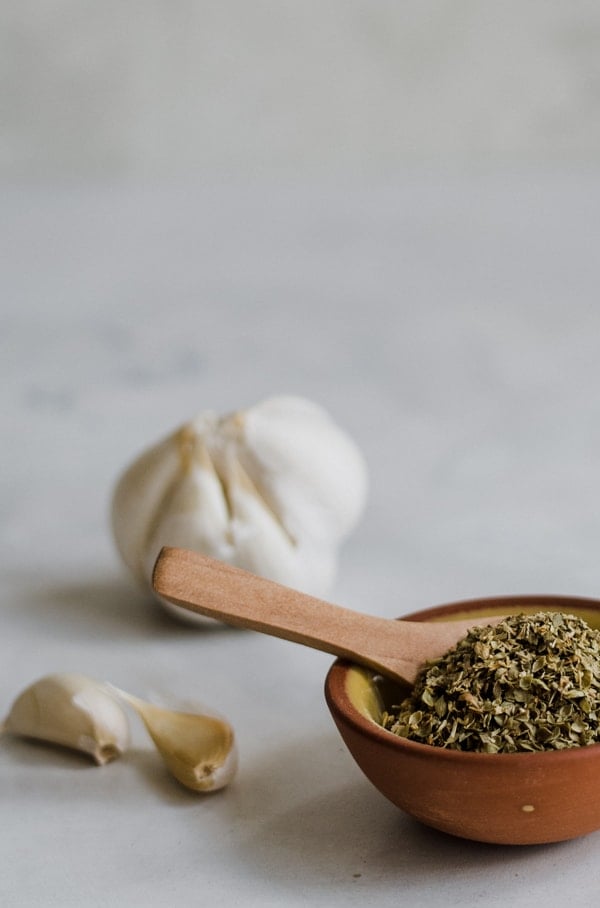
Culinary & Domestic Arts
Hearty Crafts of Home & Hearth
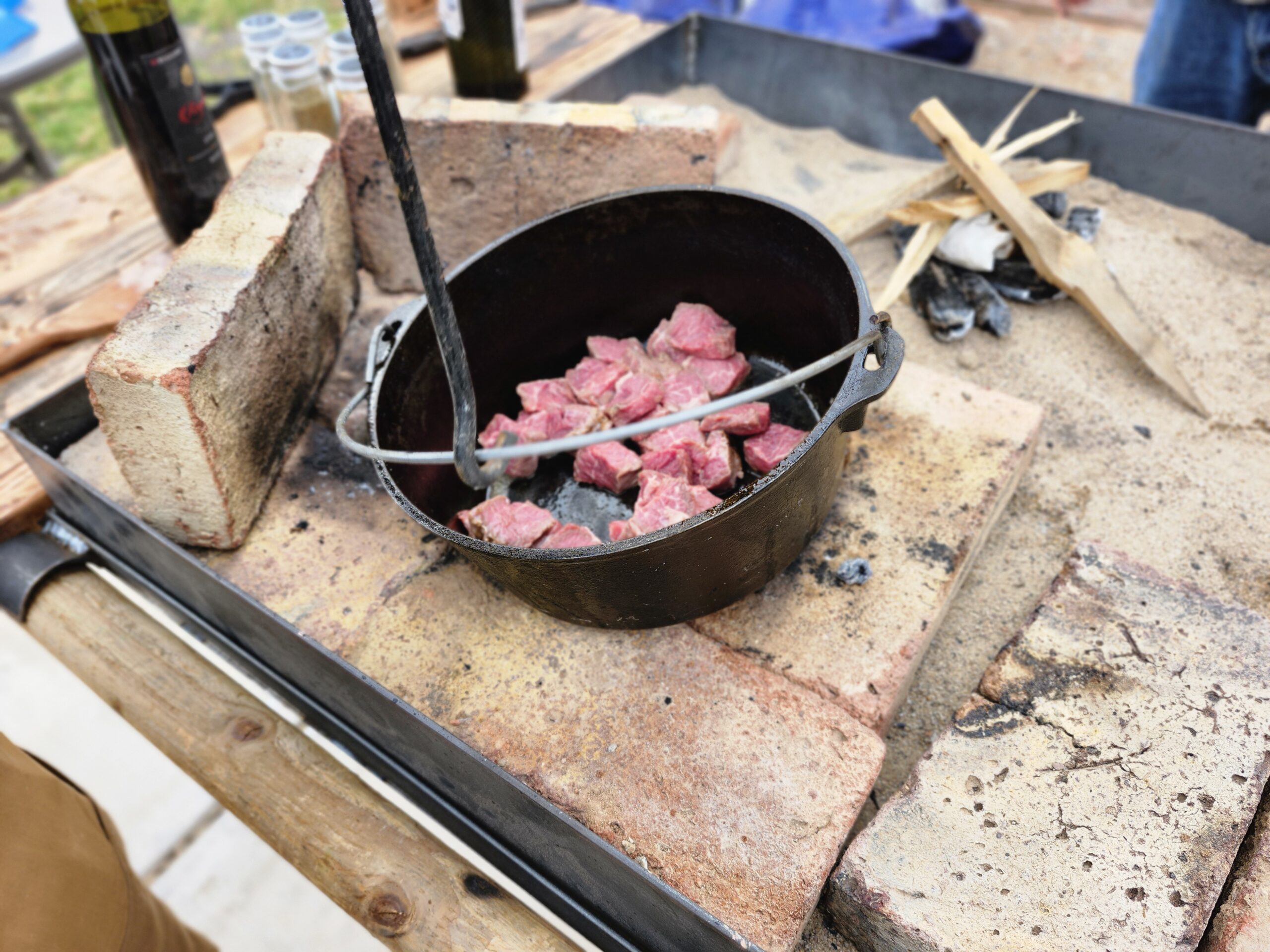
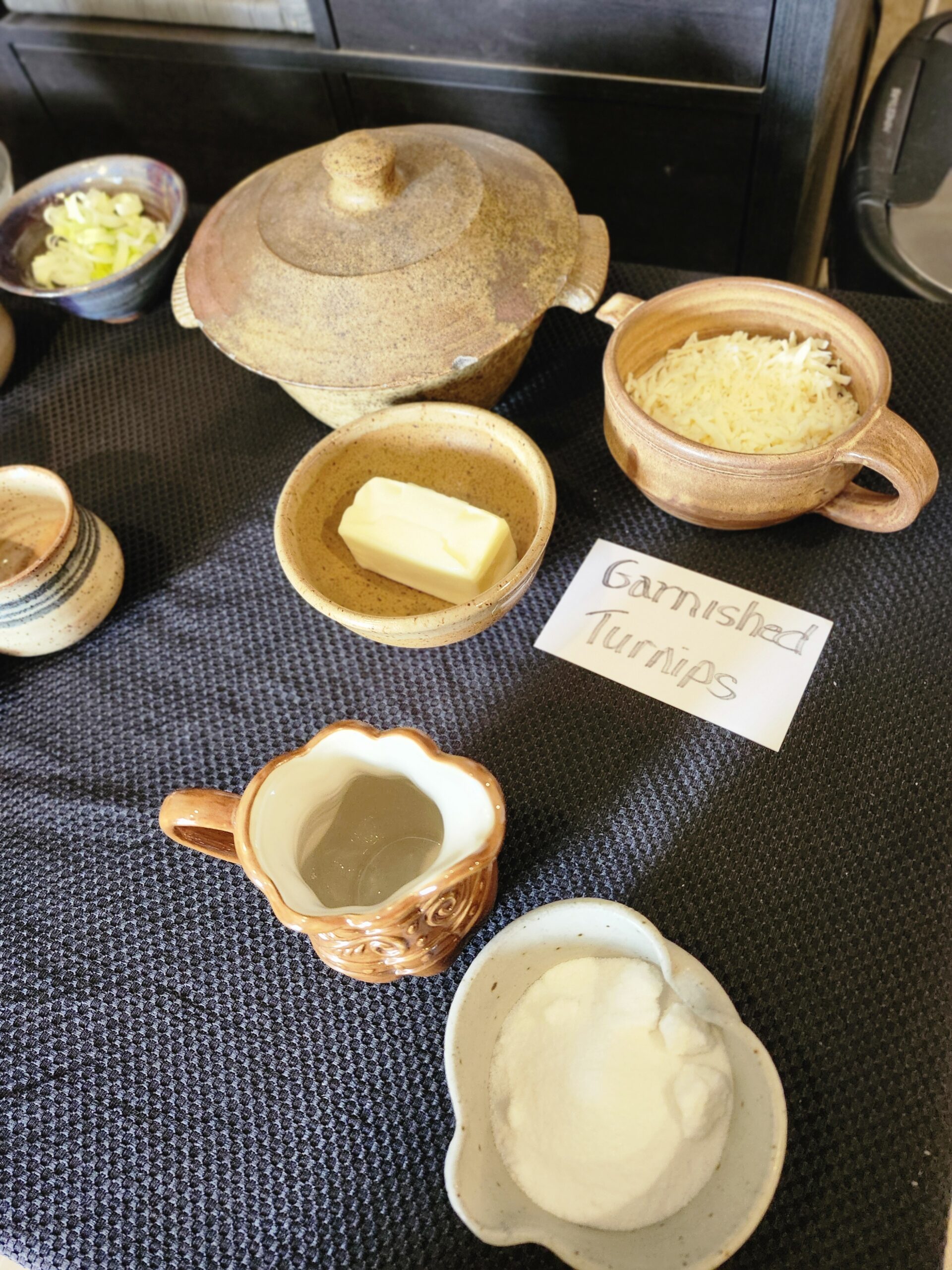
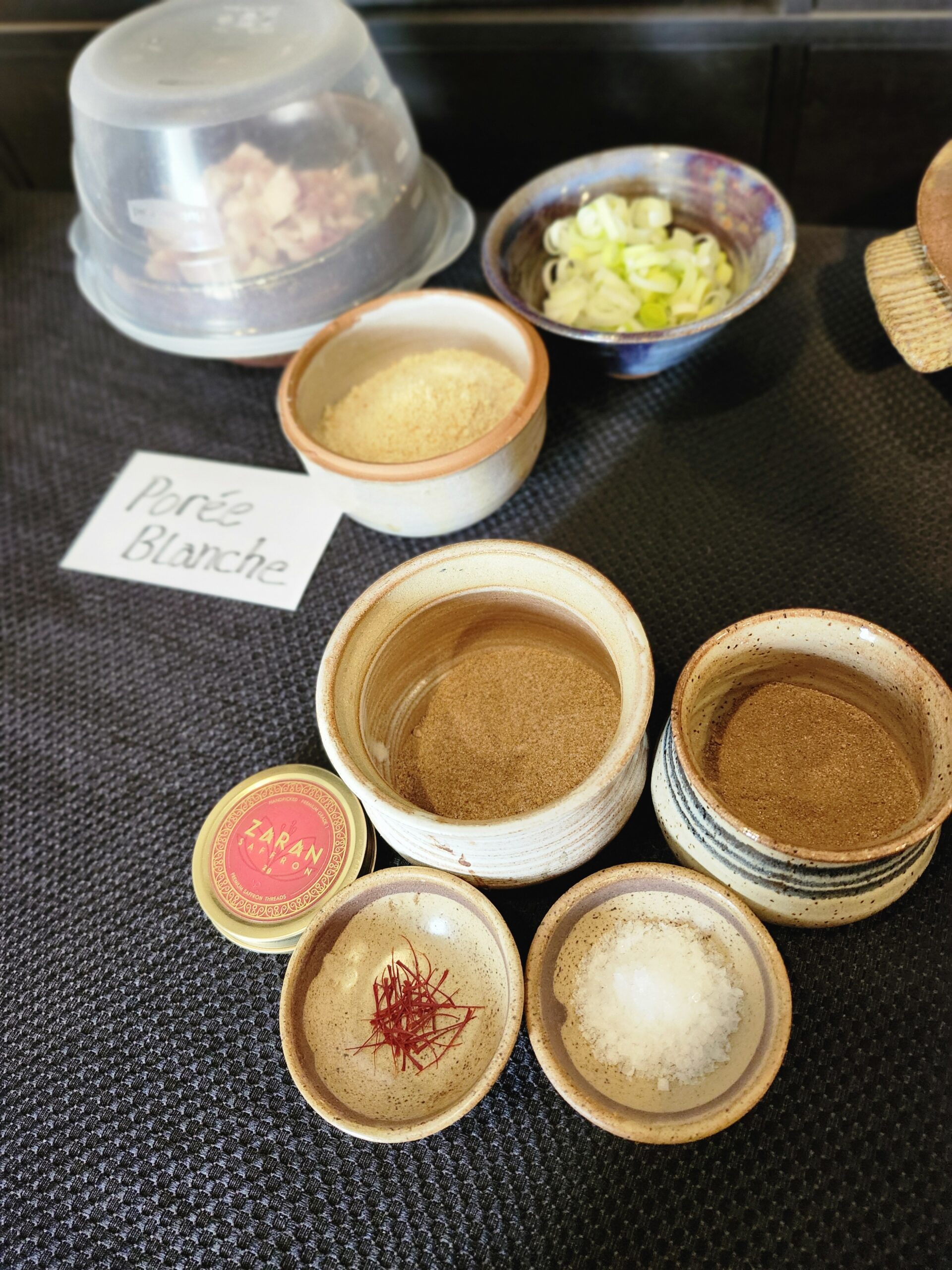
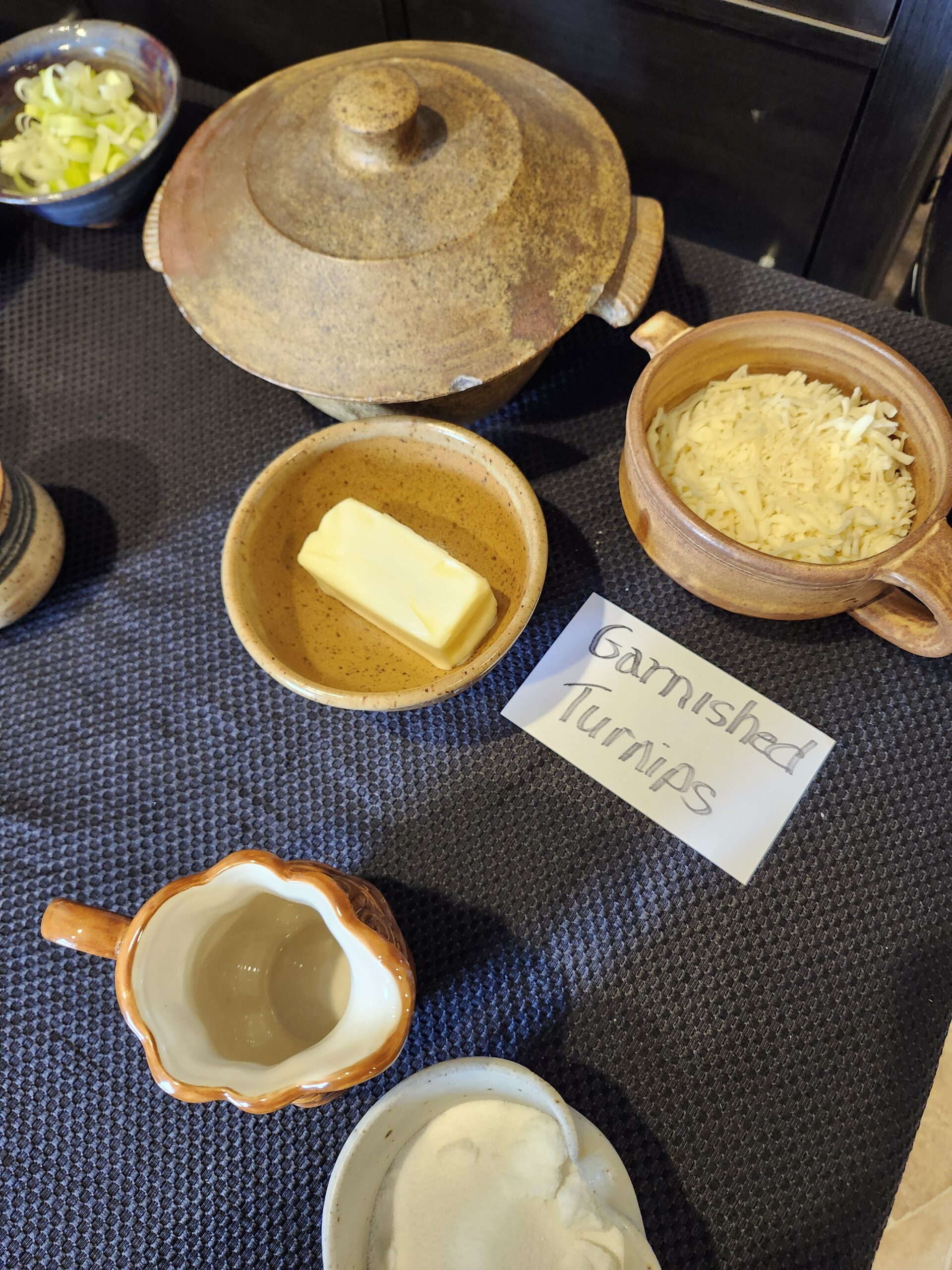
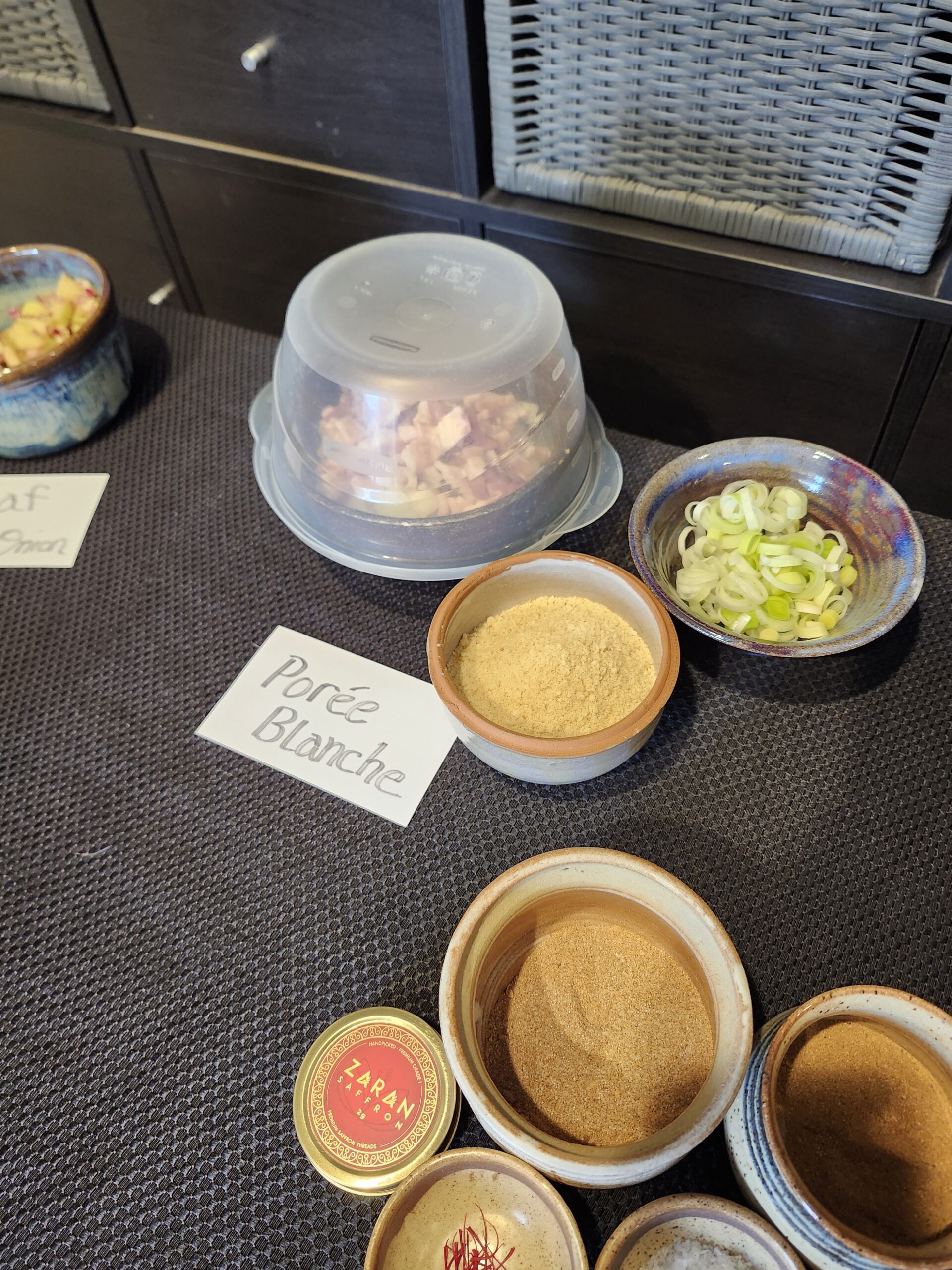
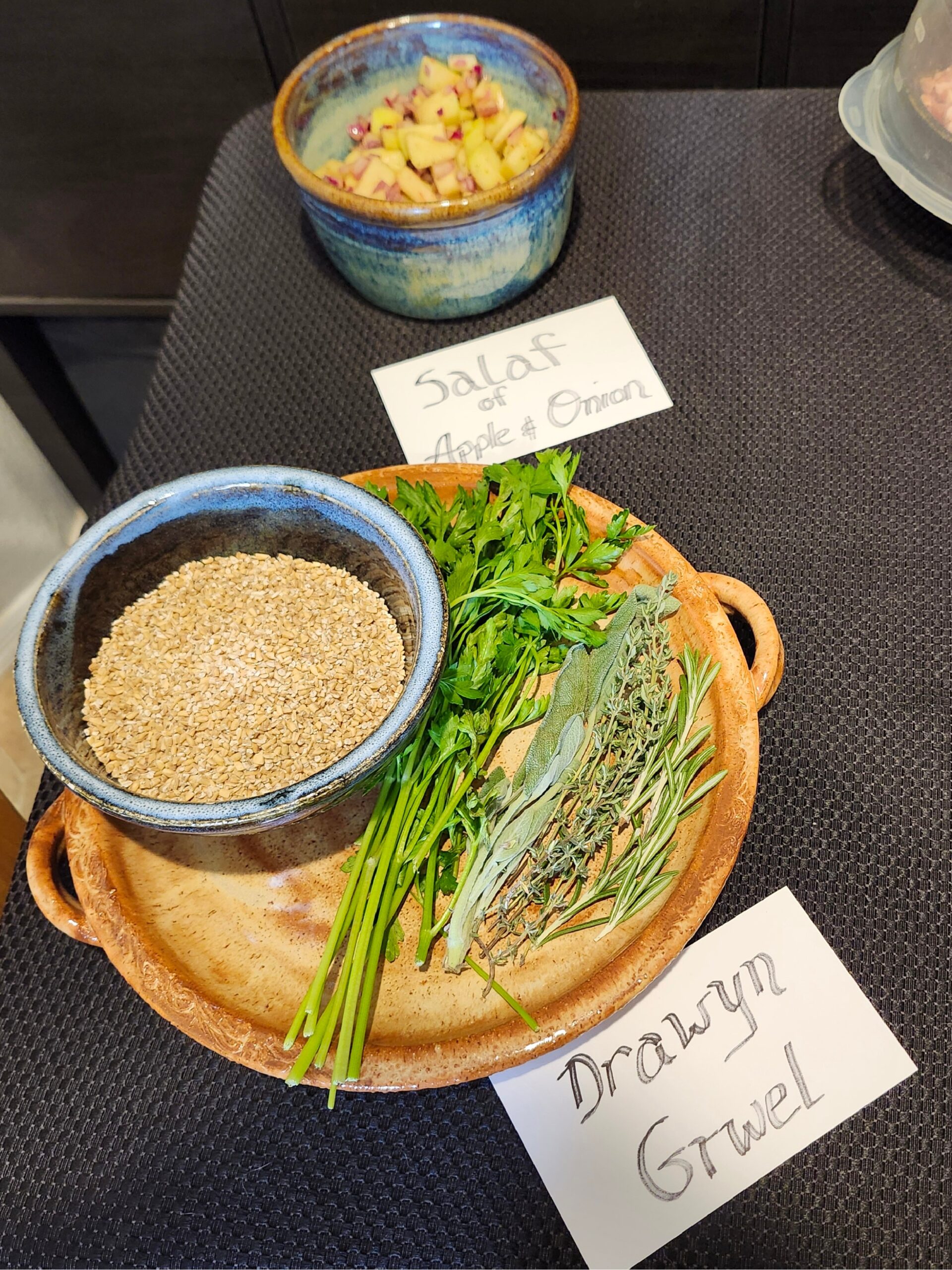
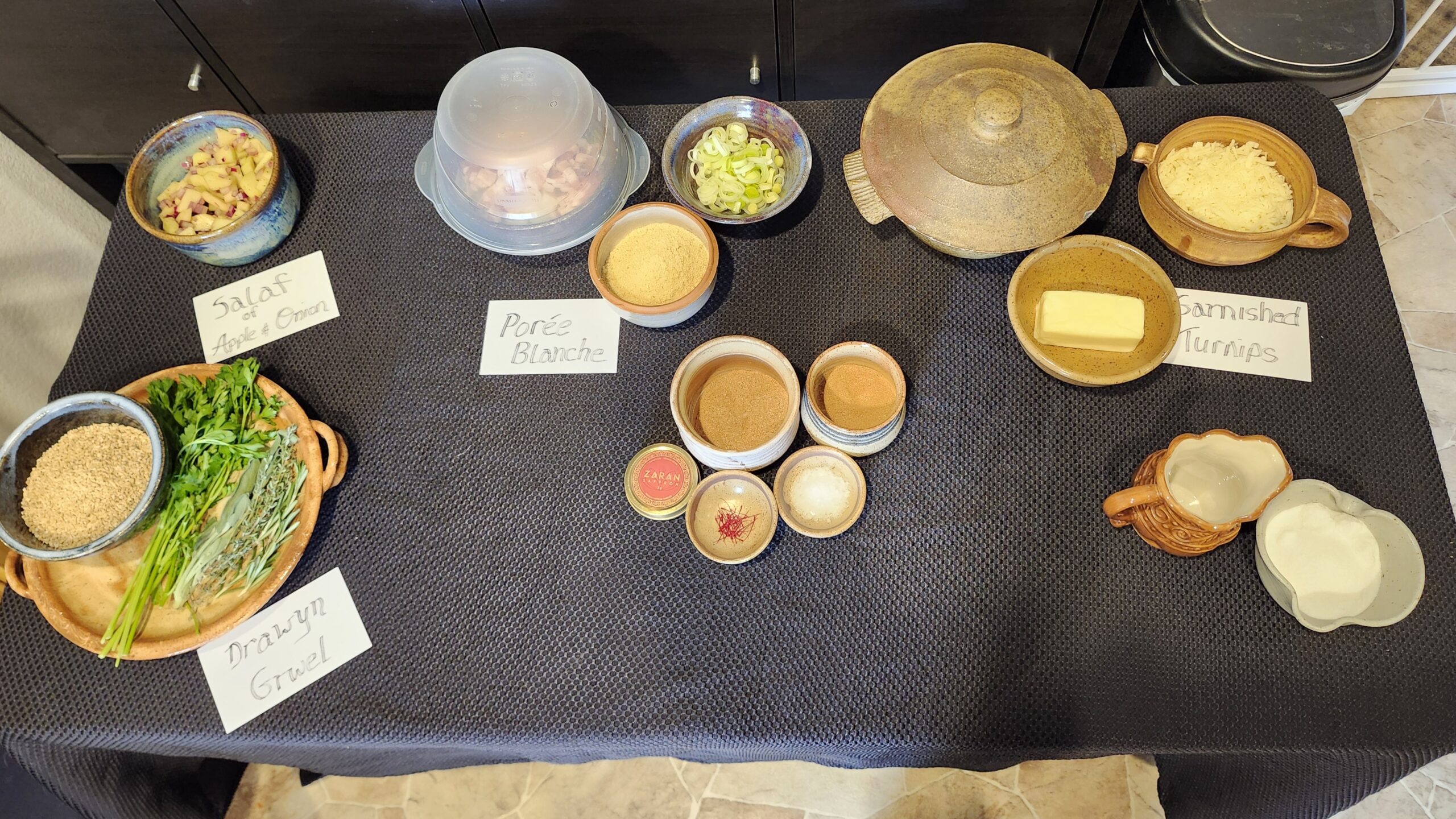
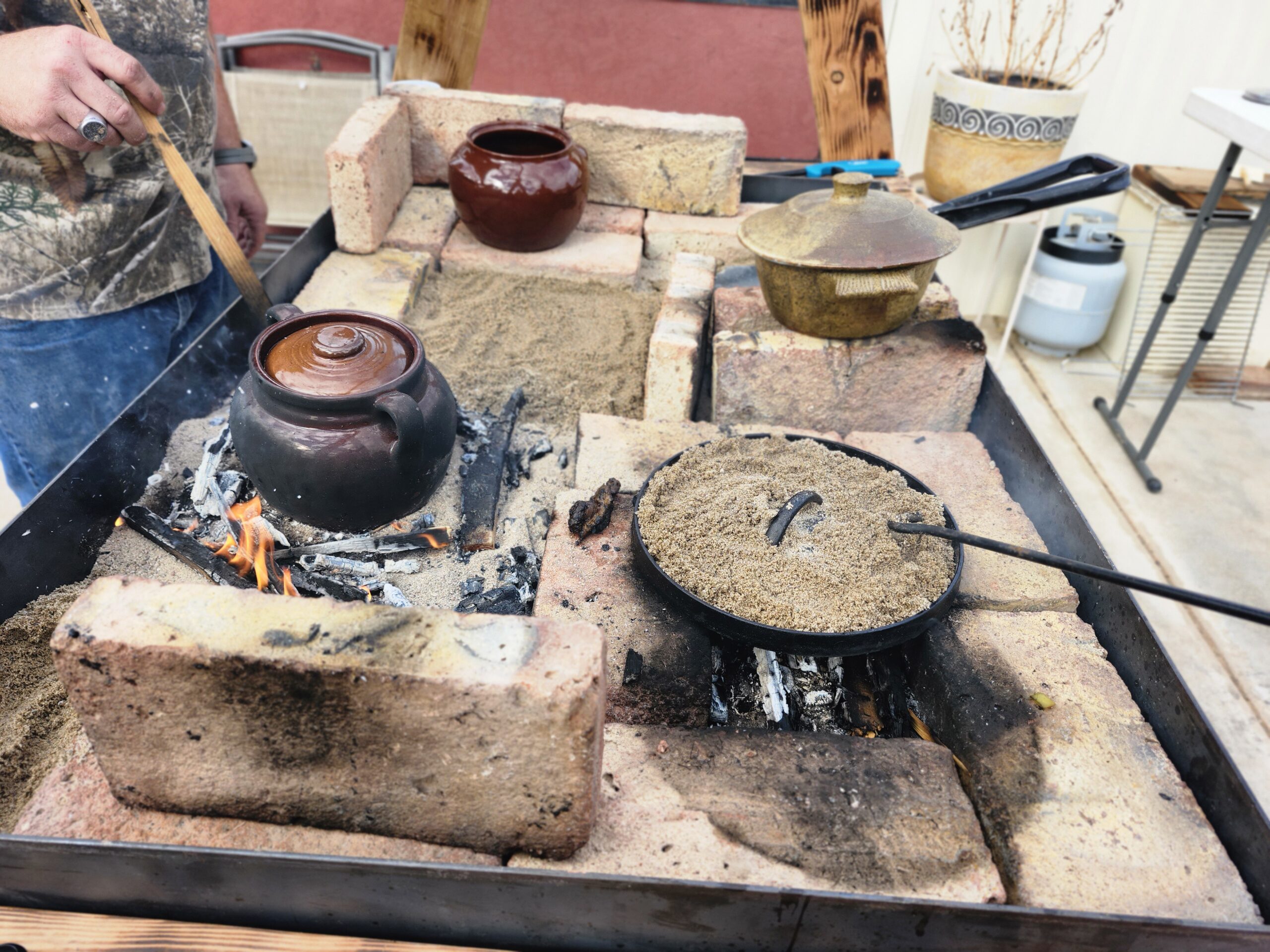
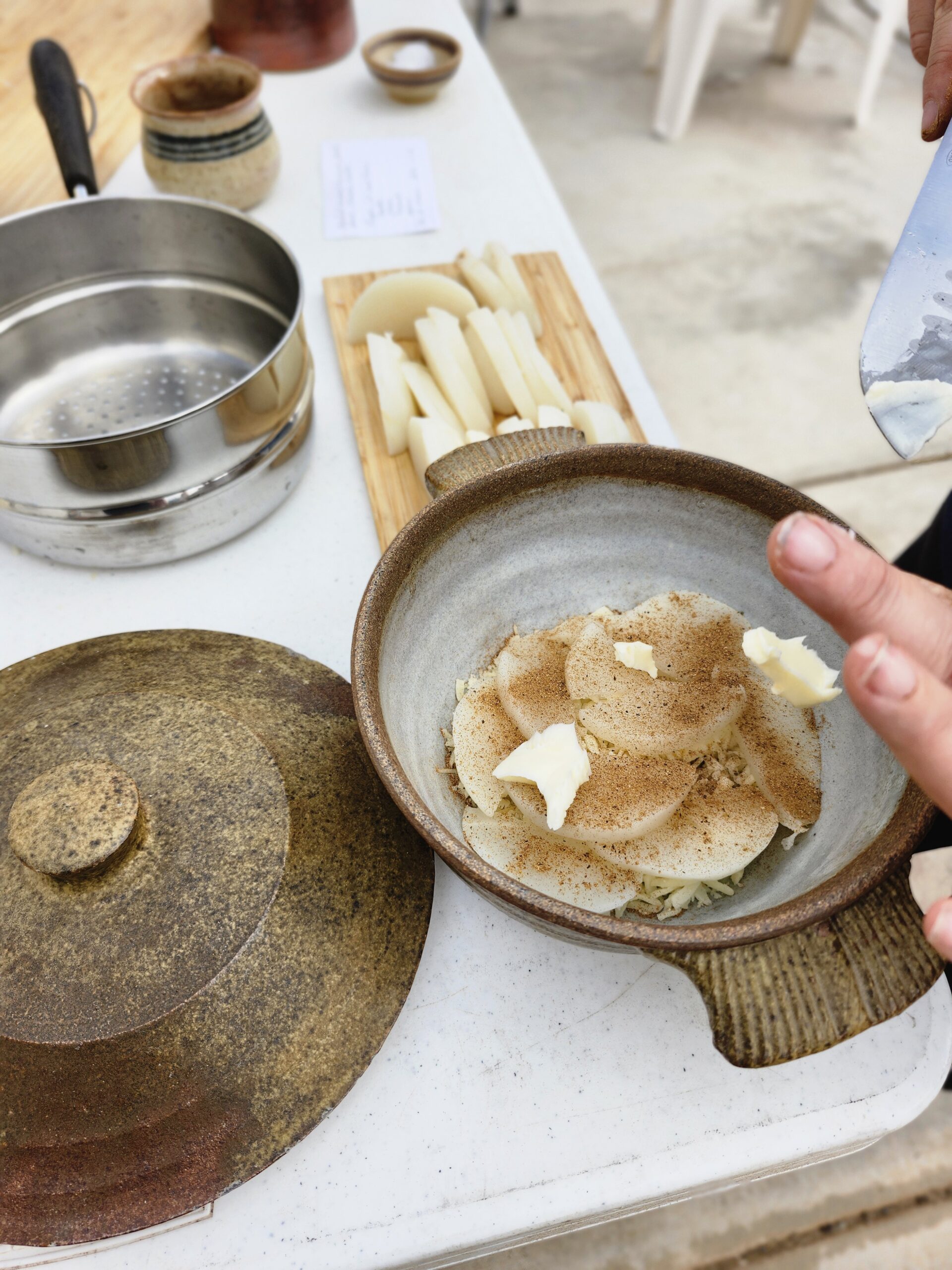
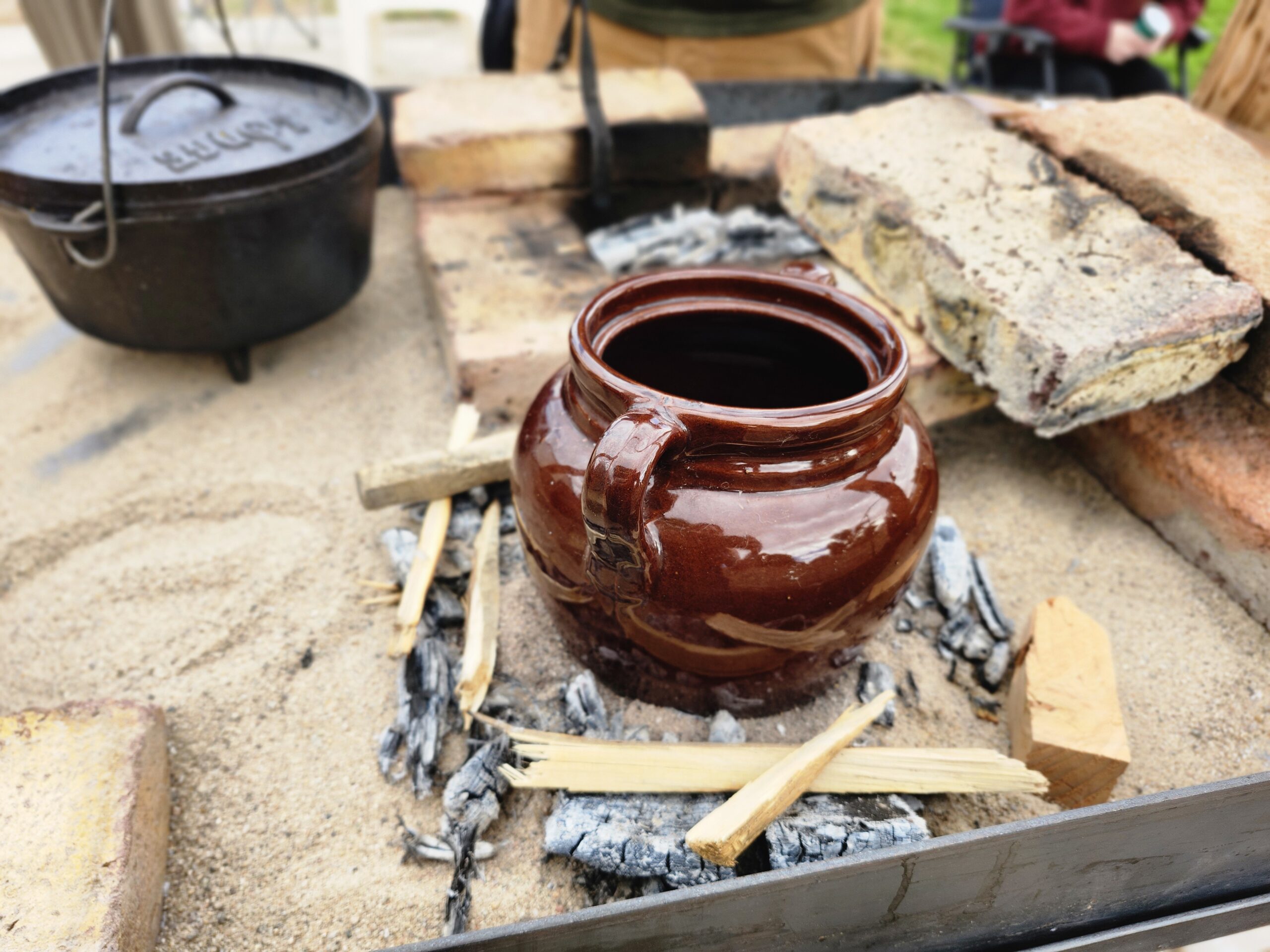
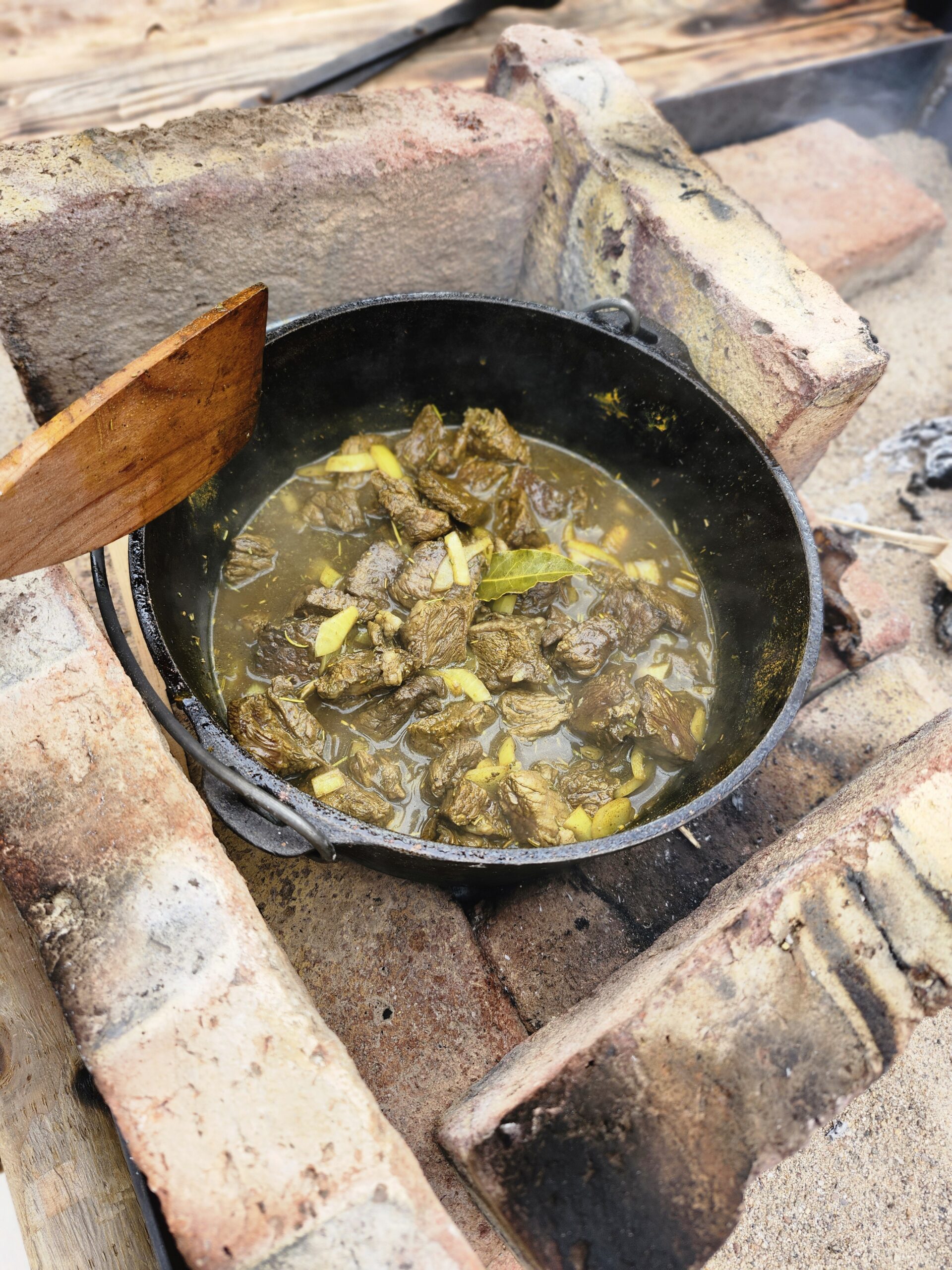
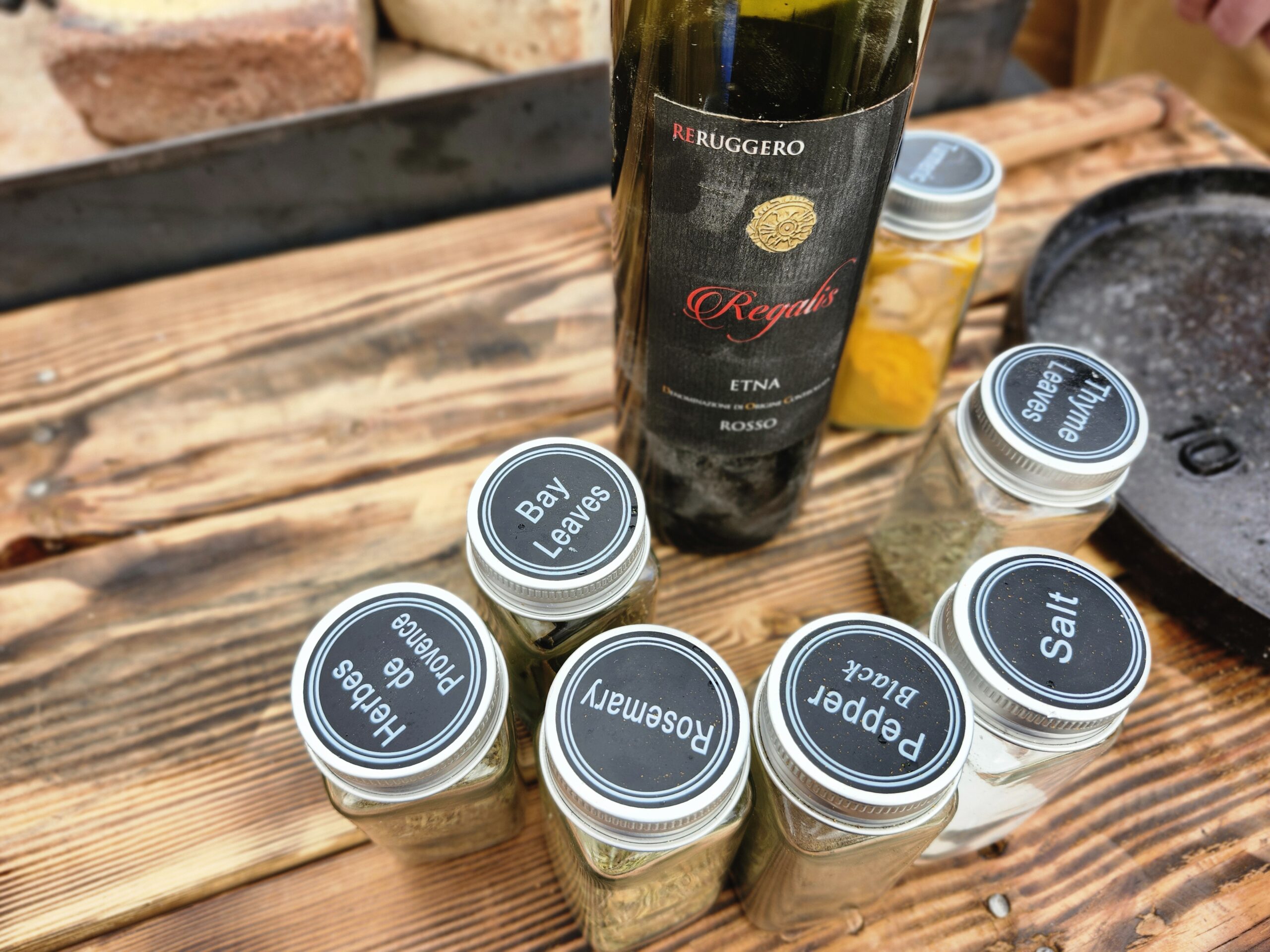
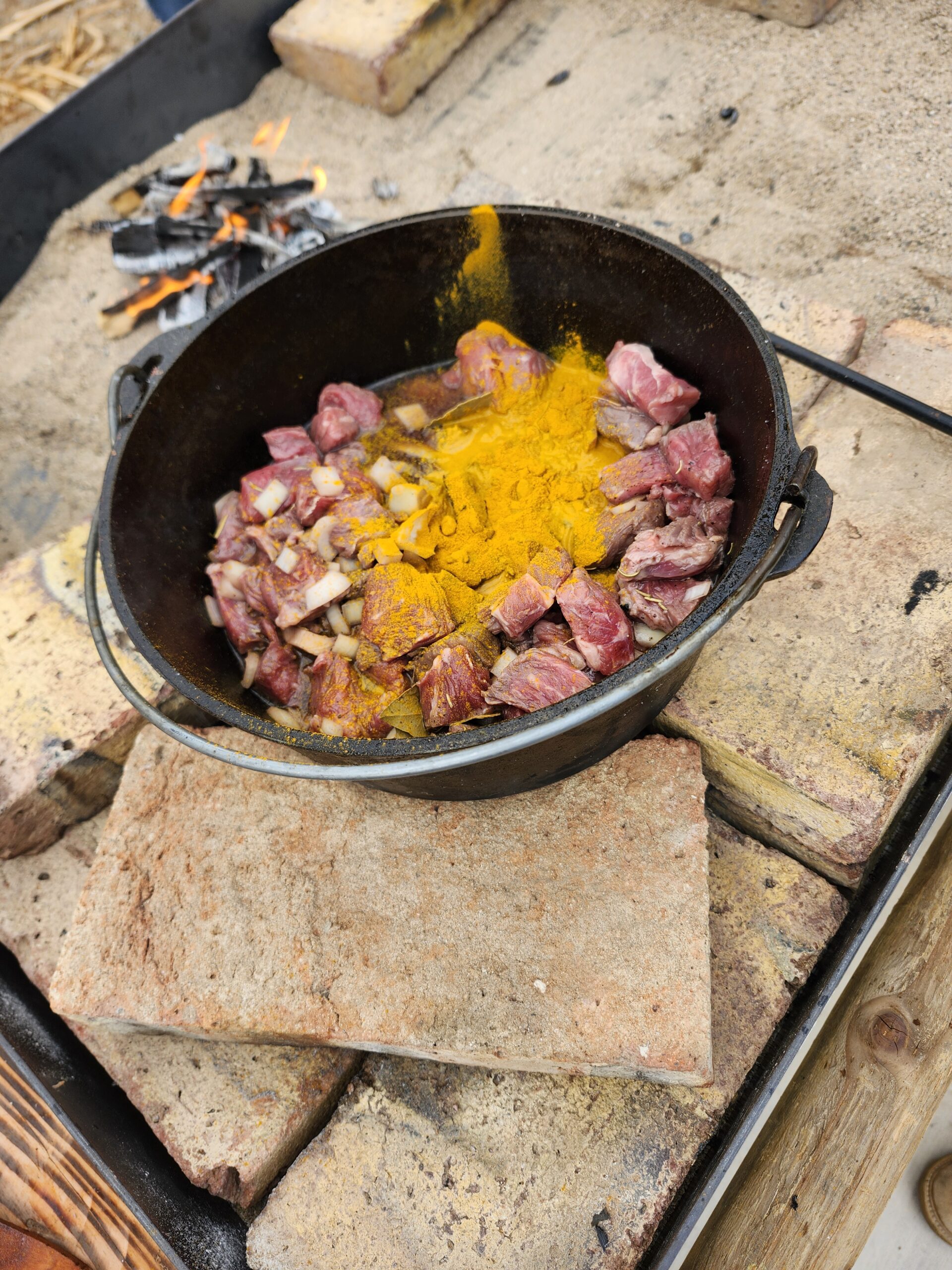
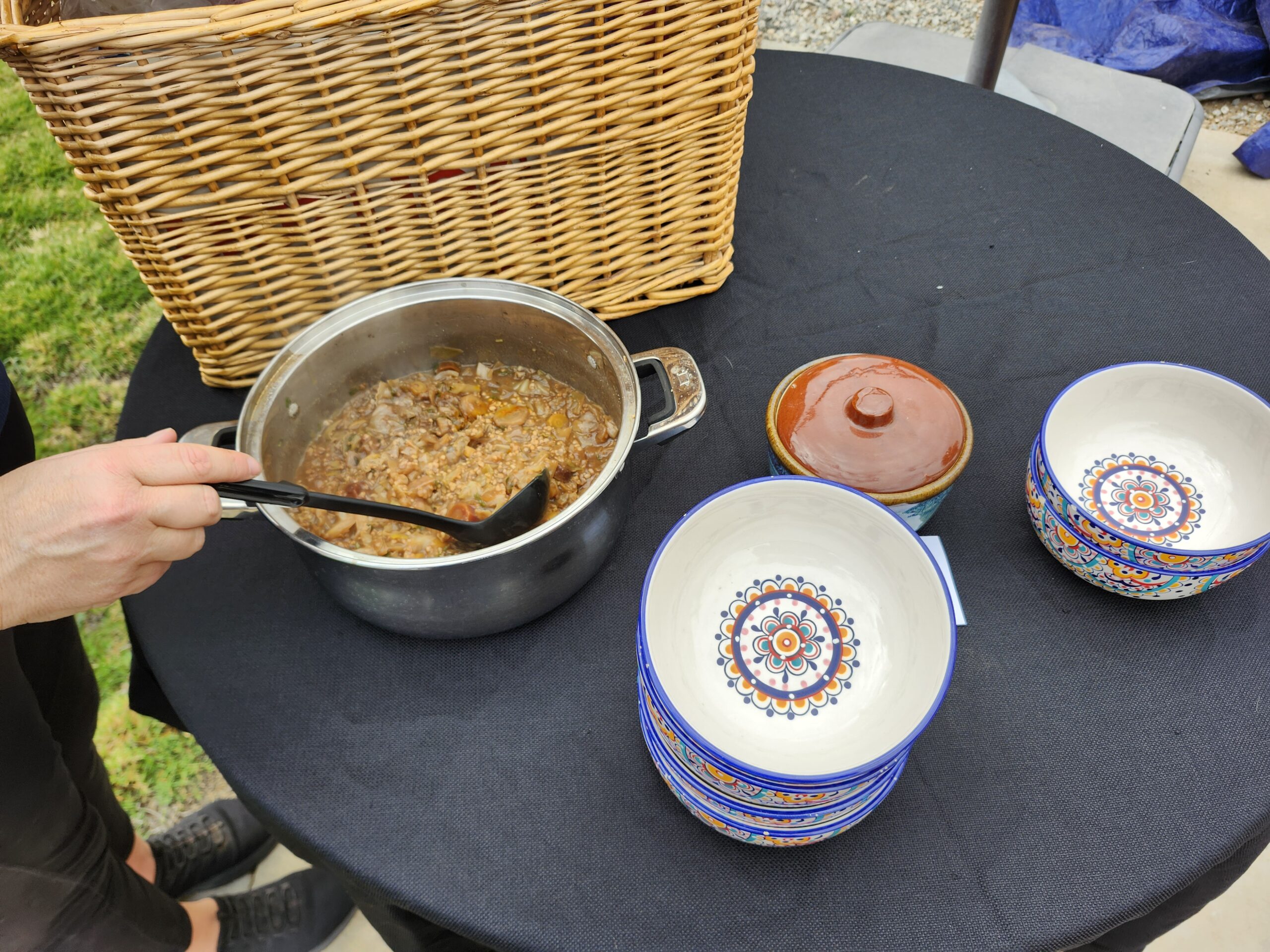
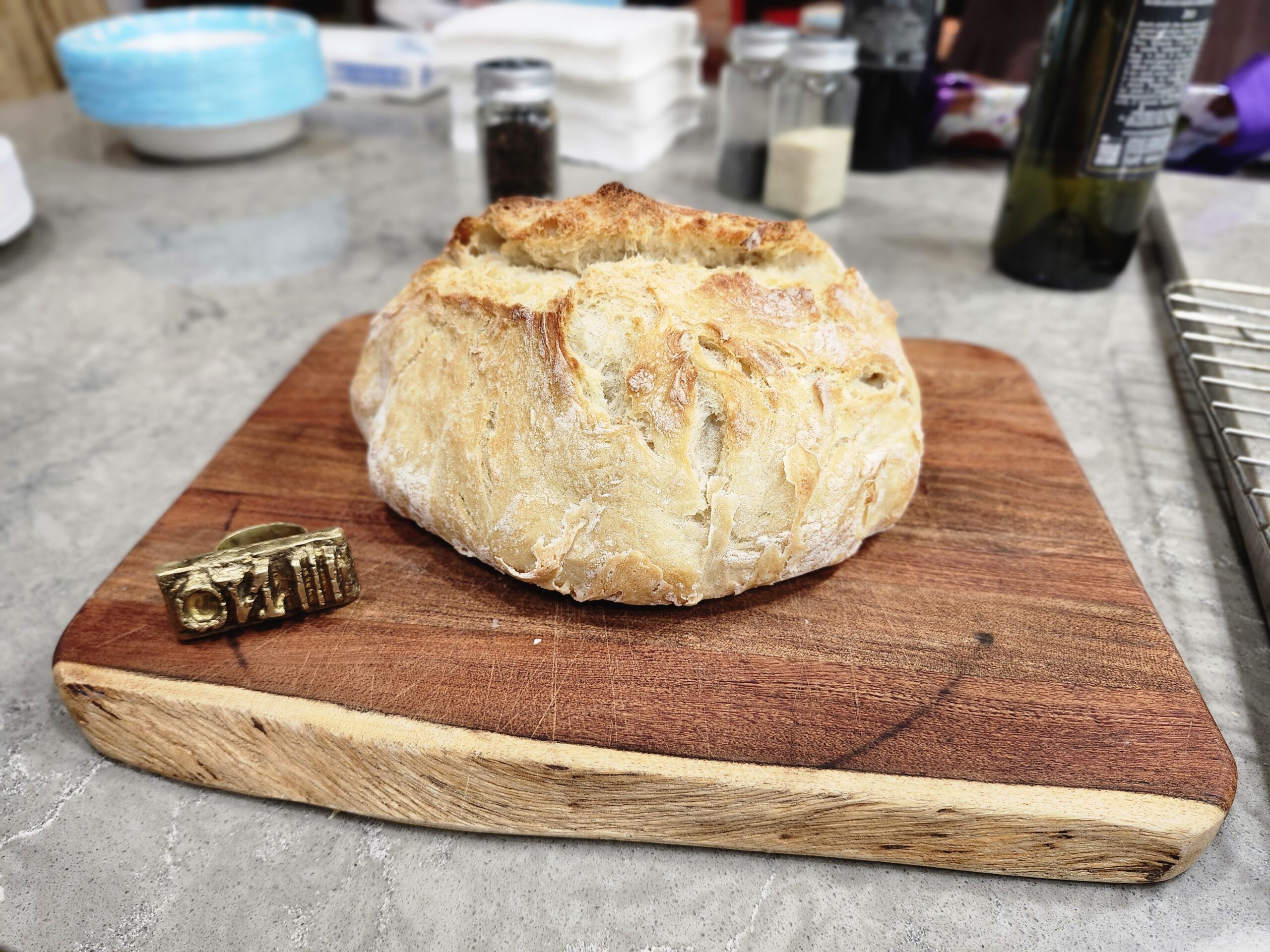
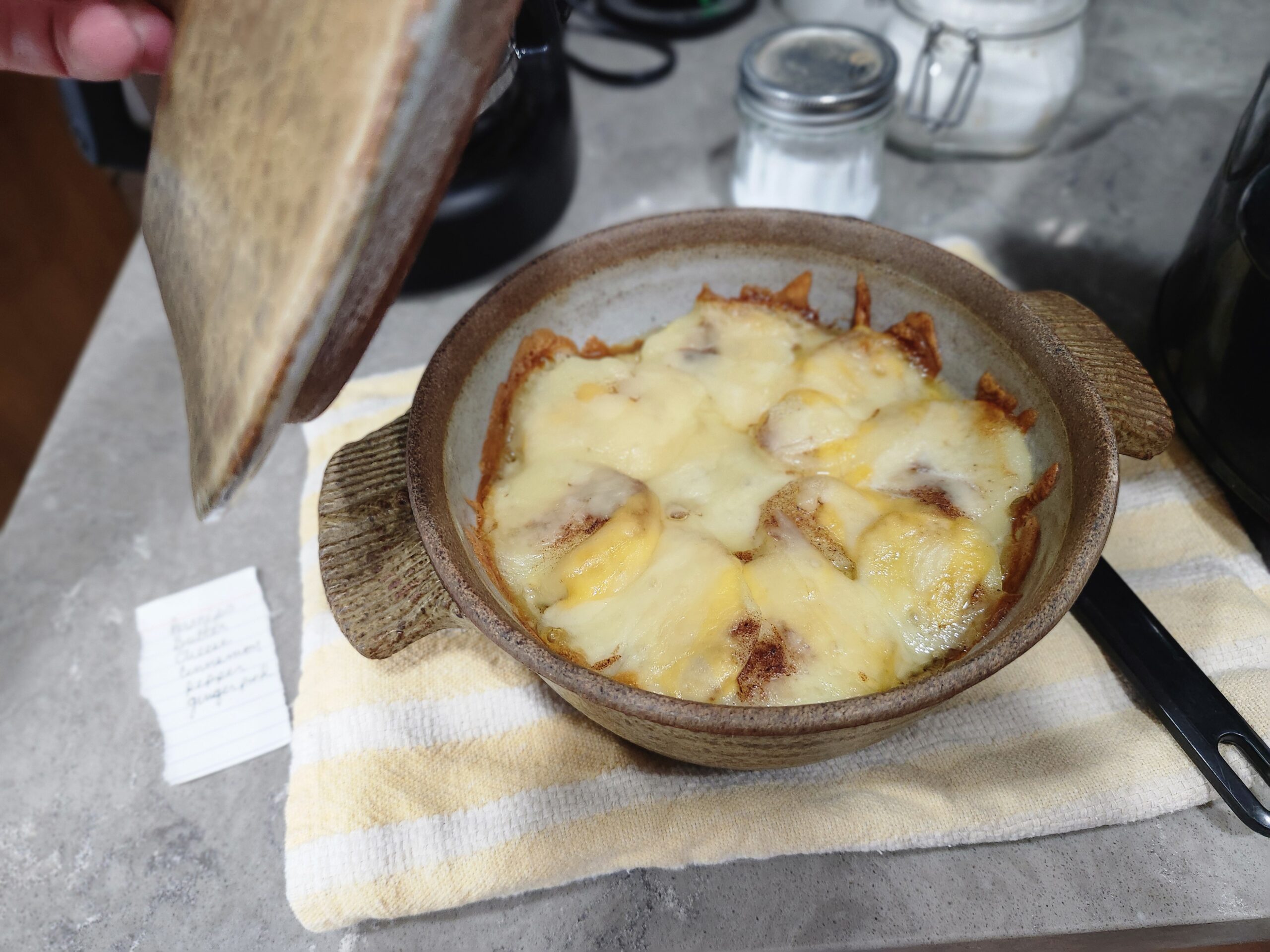
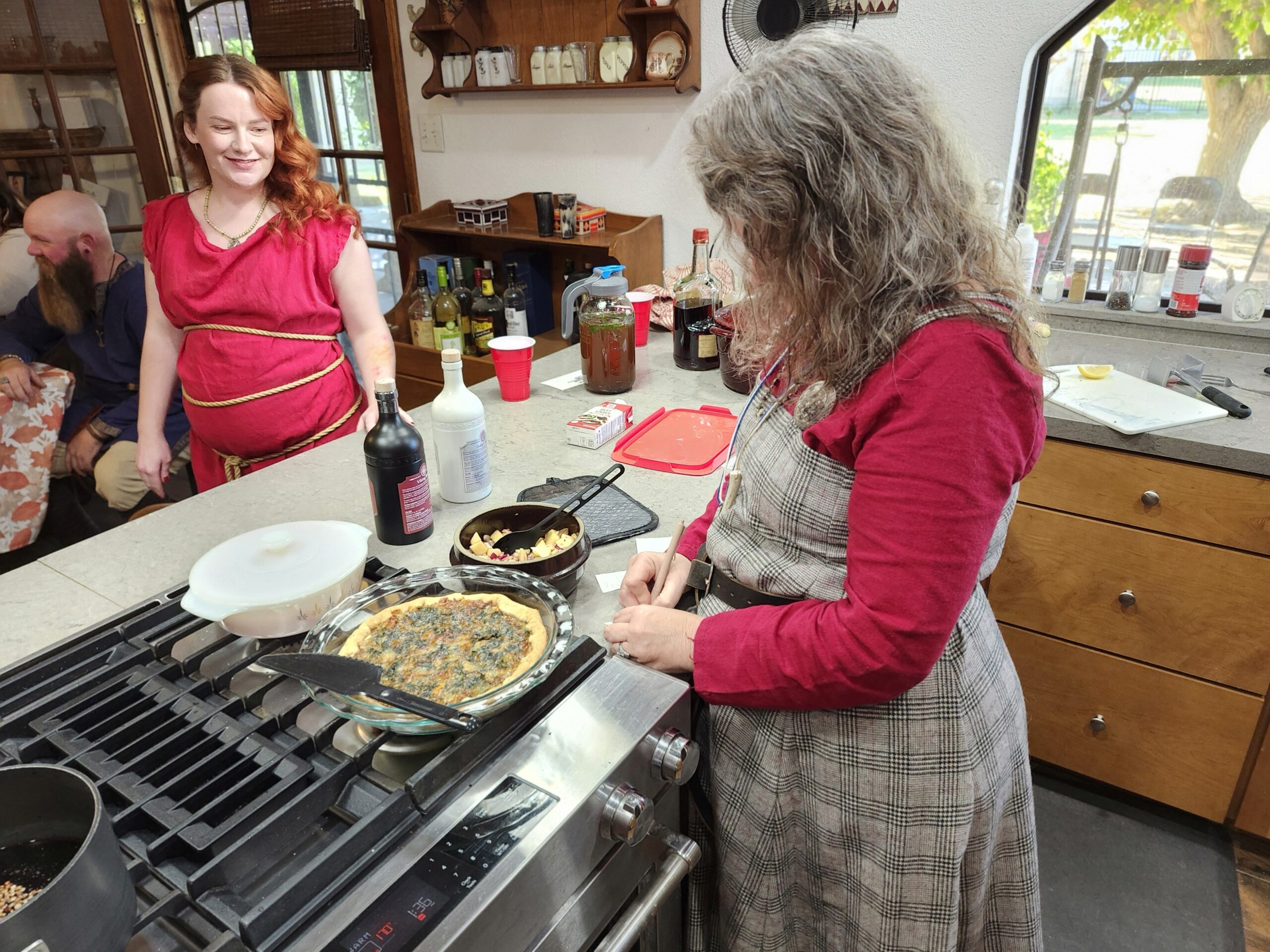
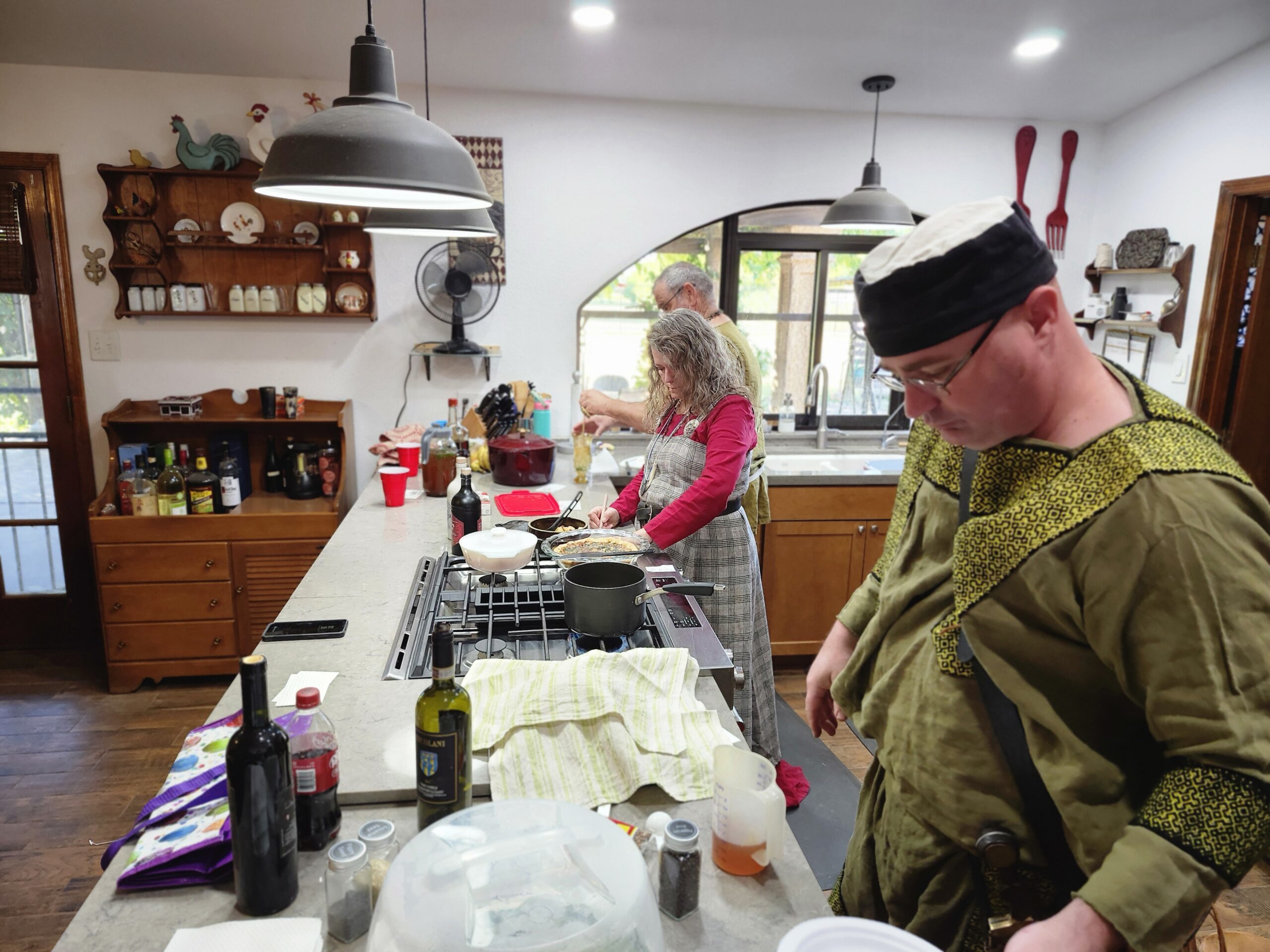
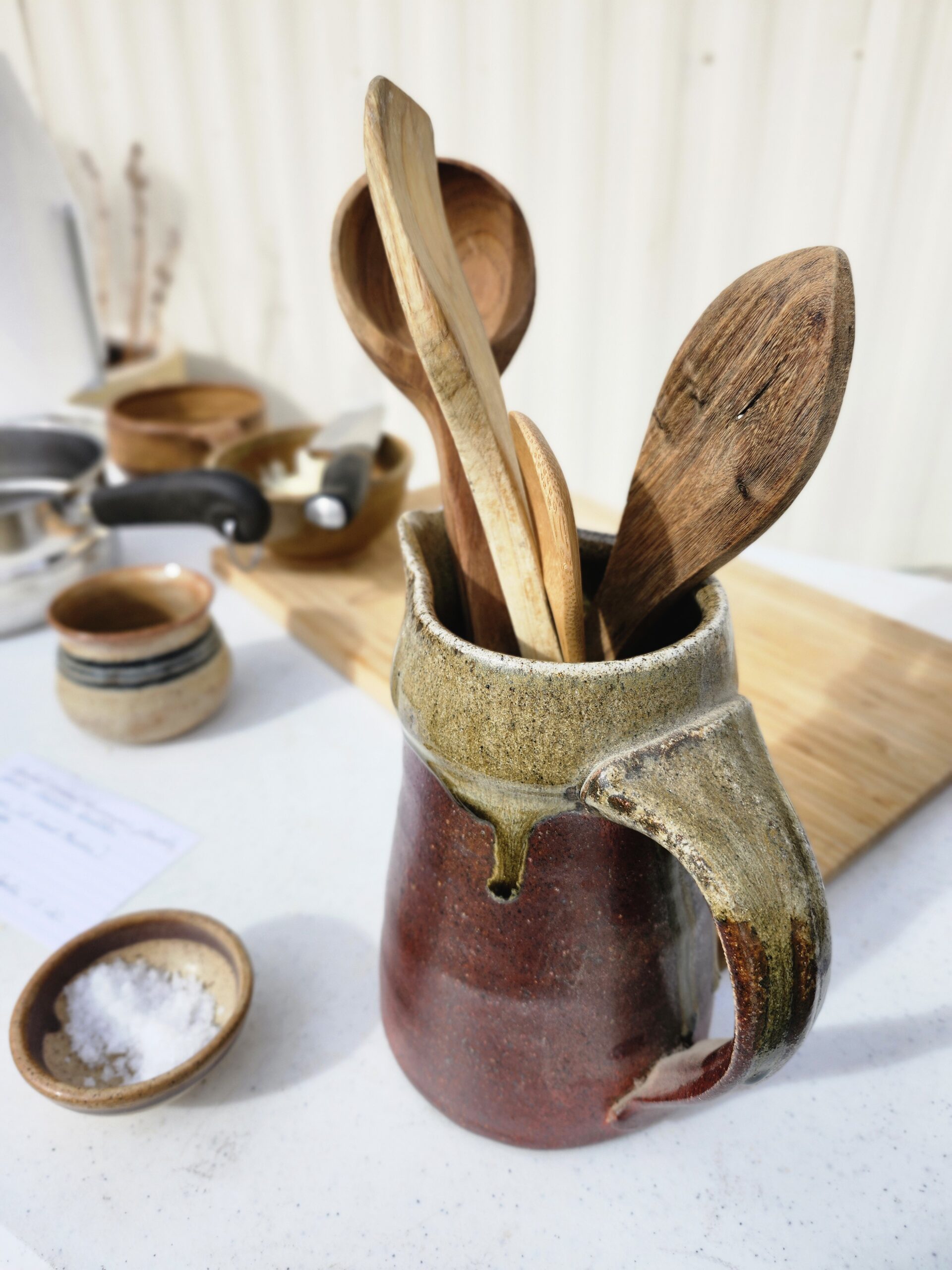
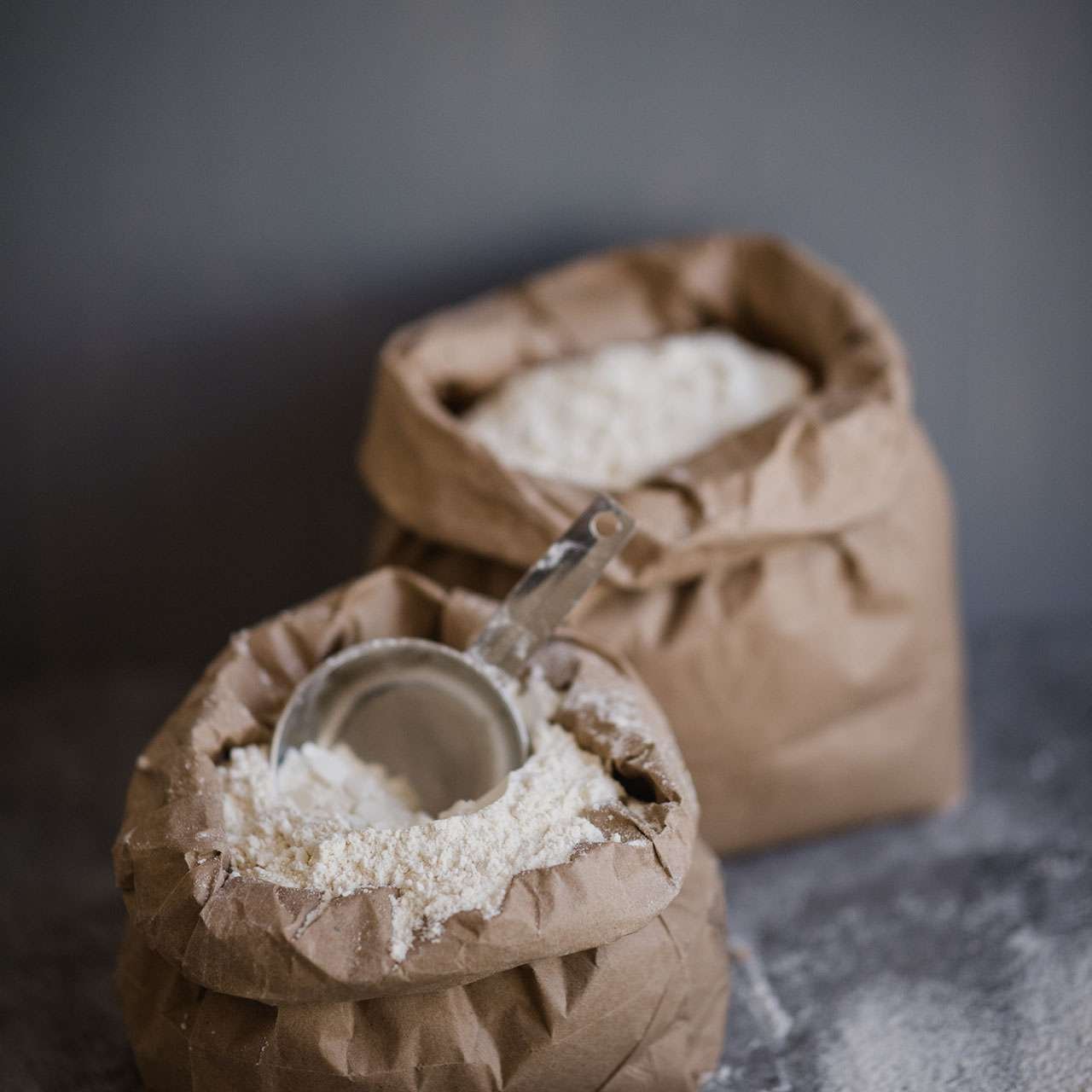
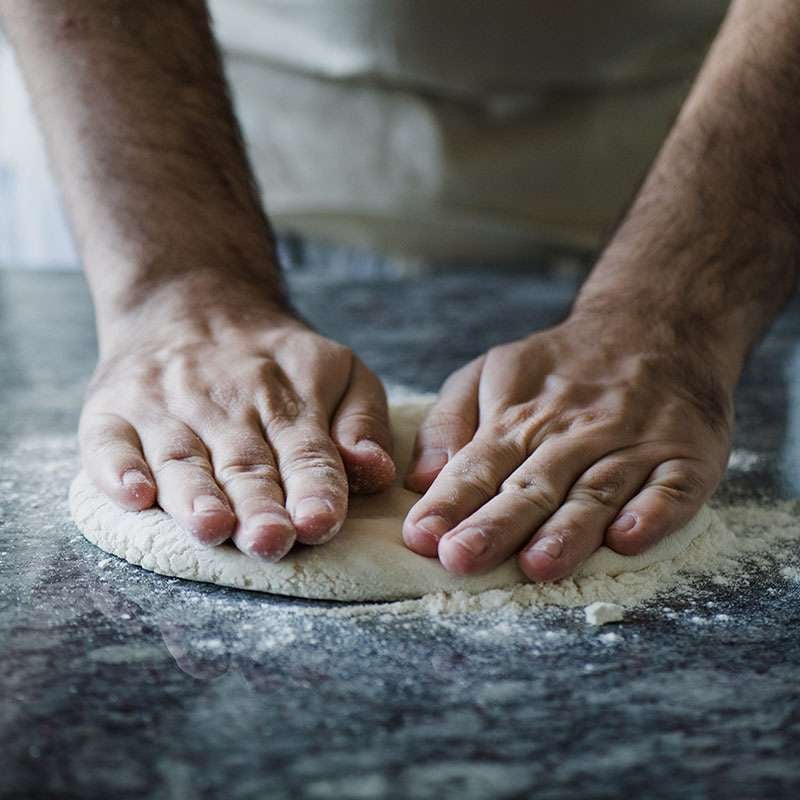
The Culinary & Domestic Arts encompass the everyday skills that sustained historical households across periods and cultures. Members explore things like:
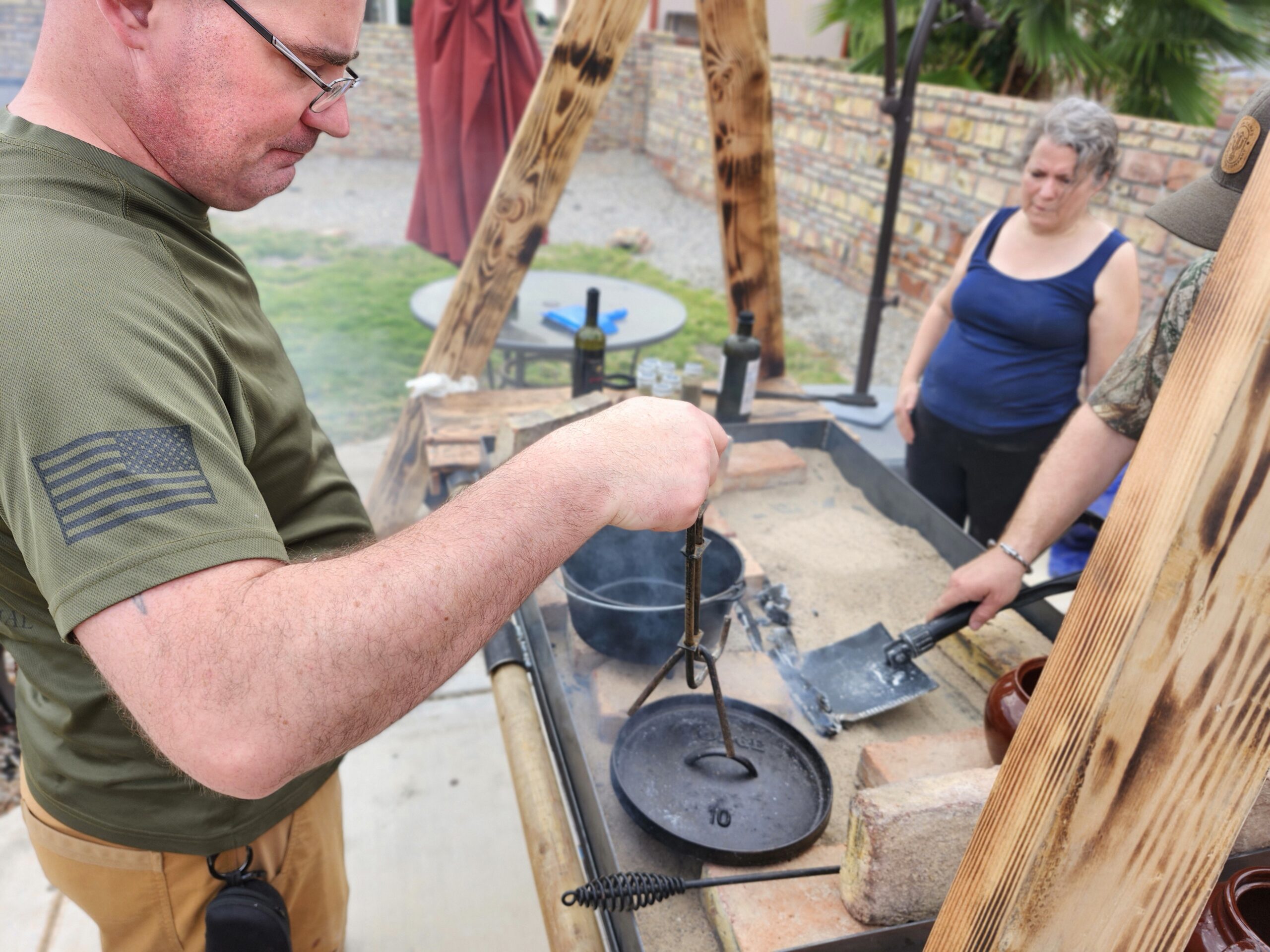
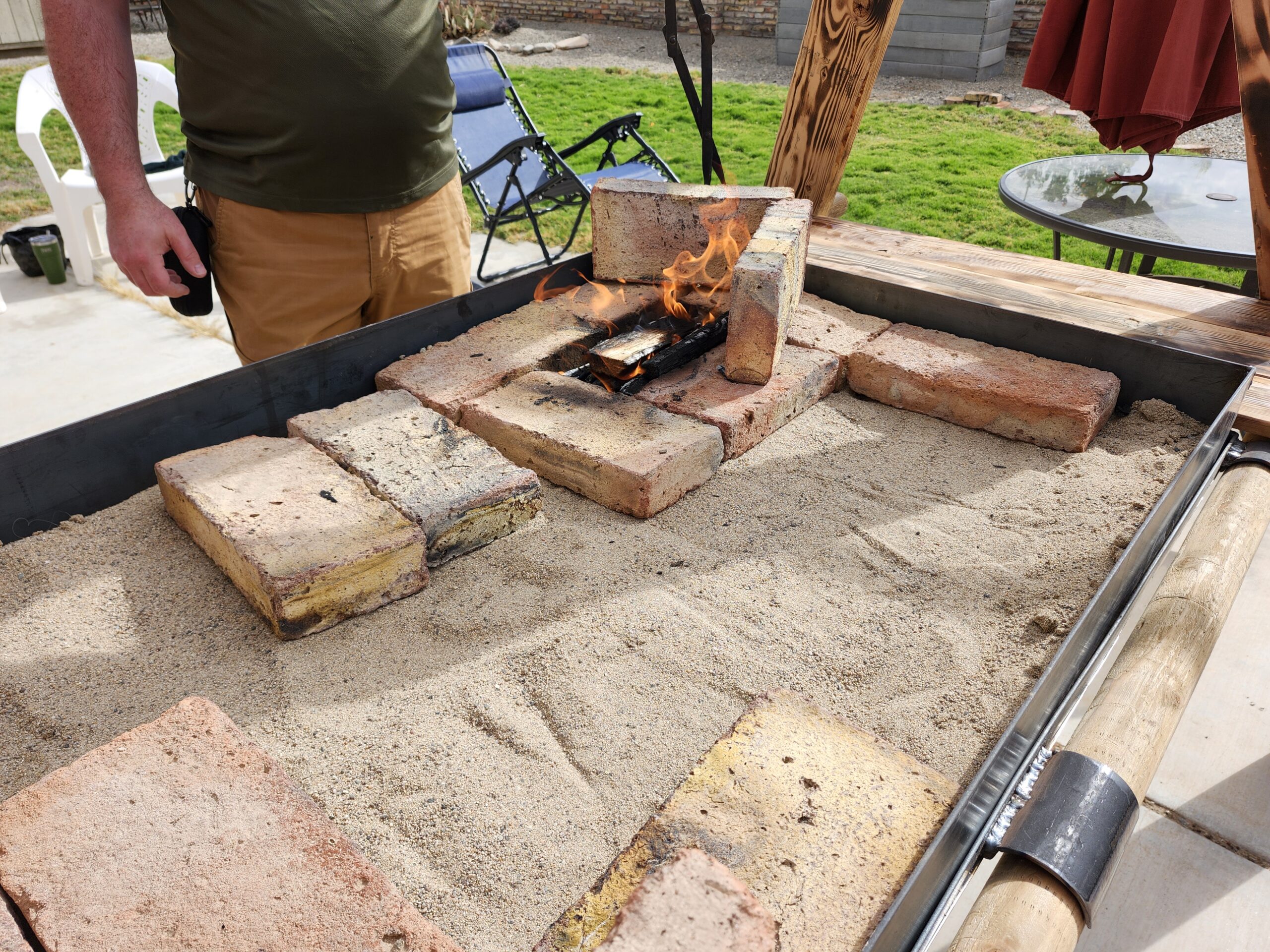
- period cooking
- baking
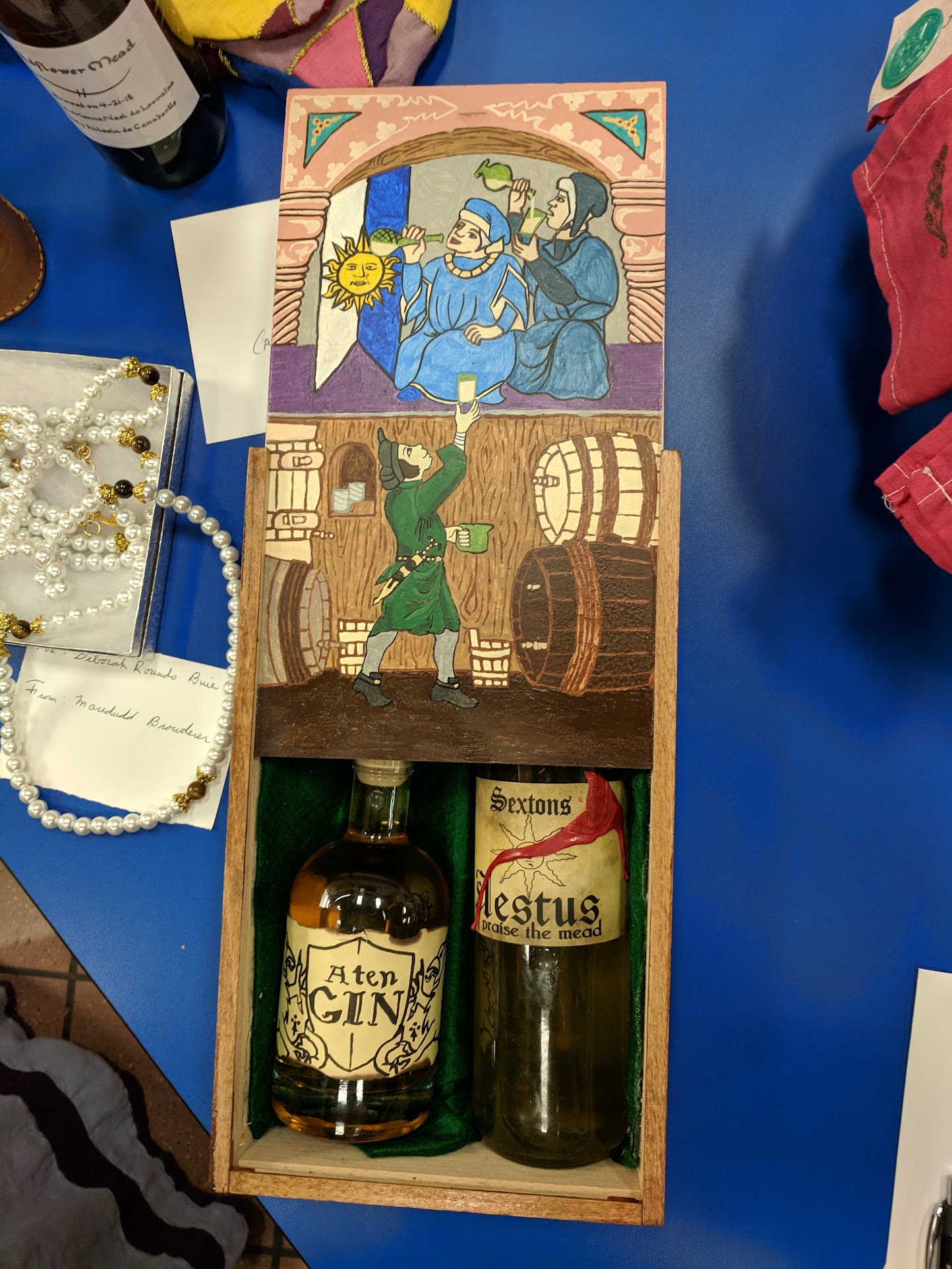
- brewing
- mead-making
- vinting
- food preservation
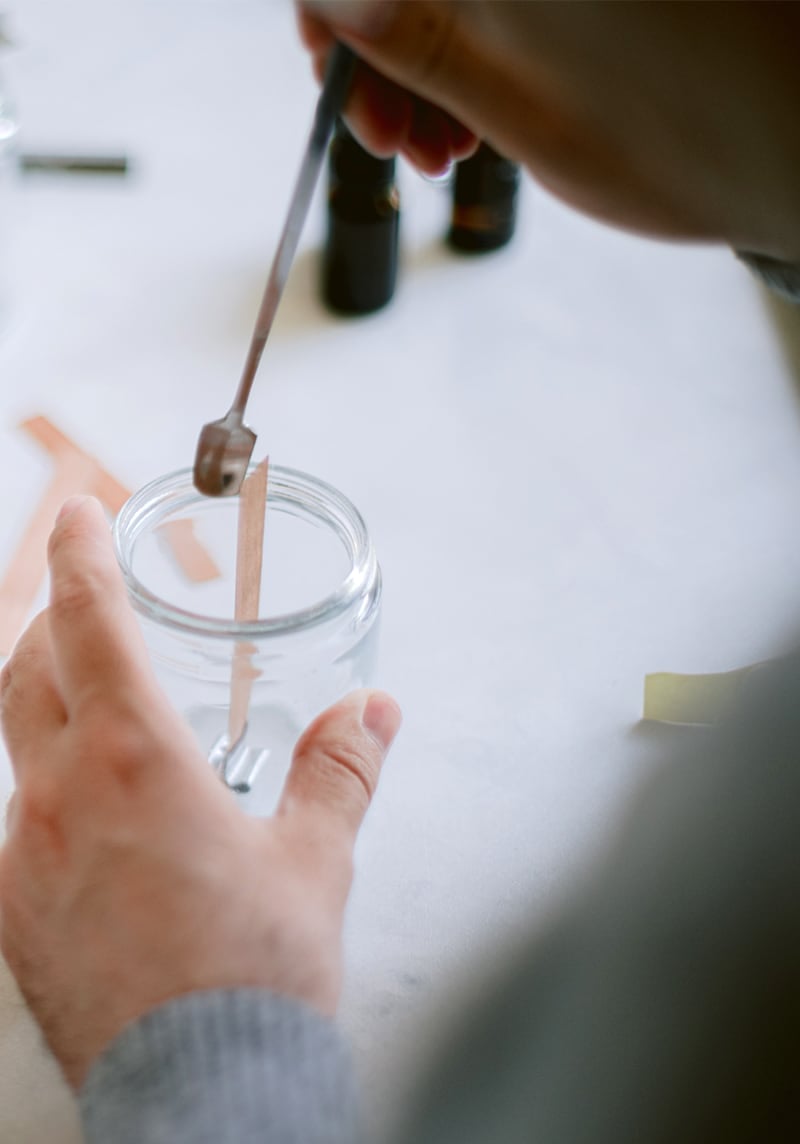
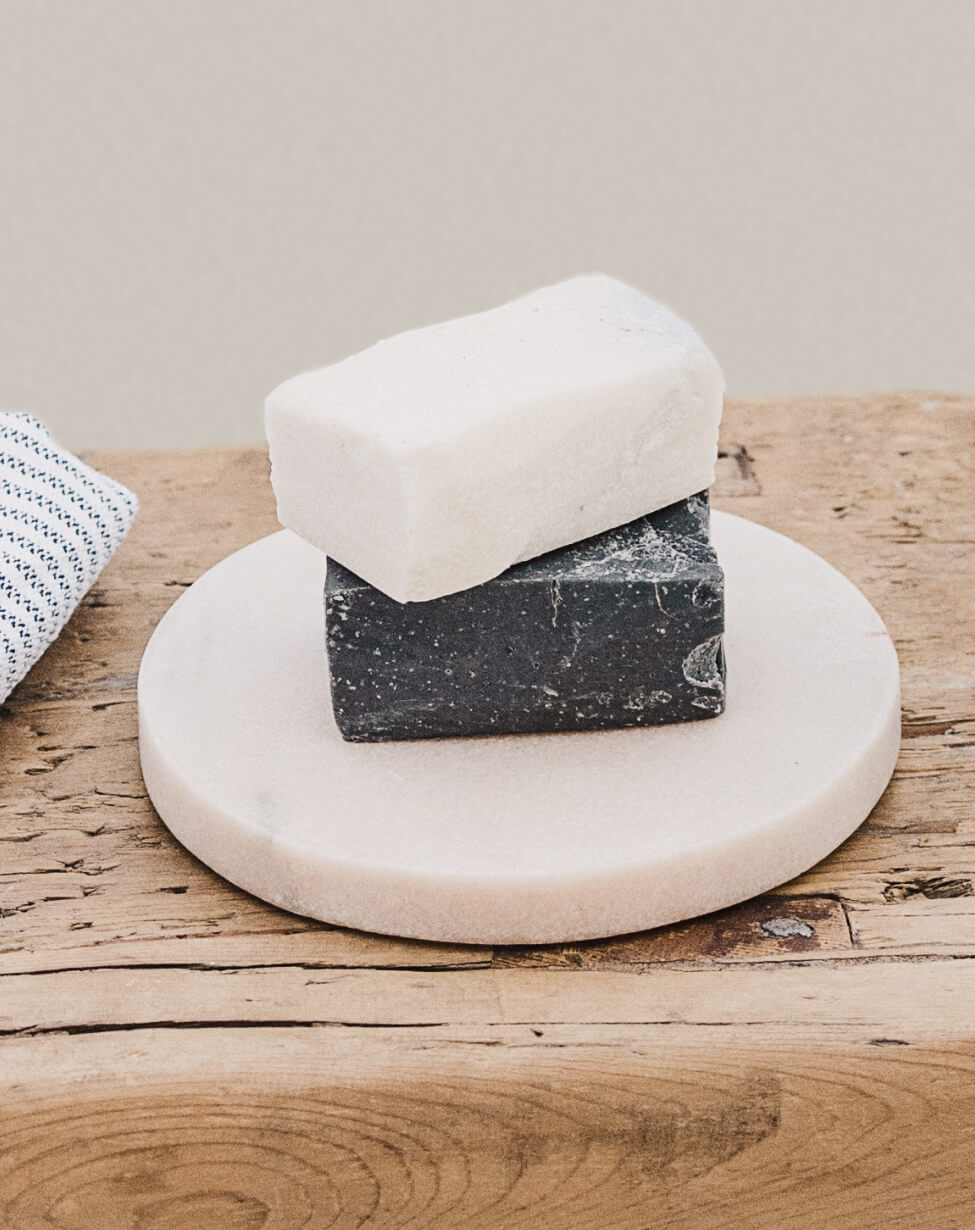
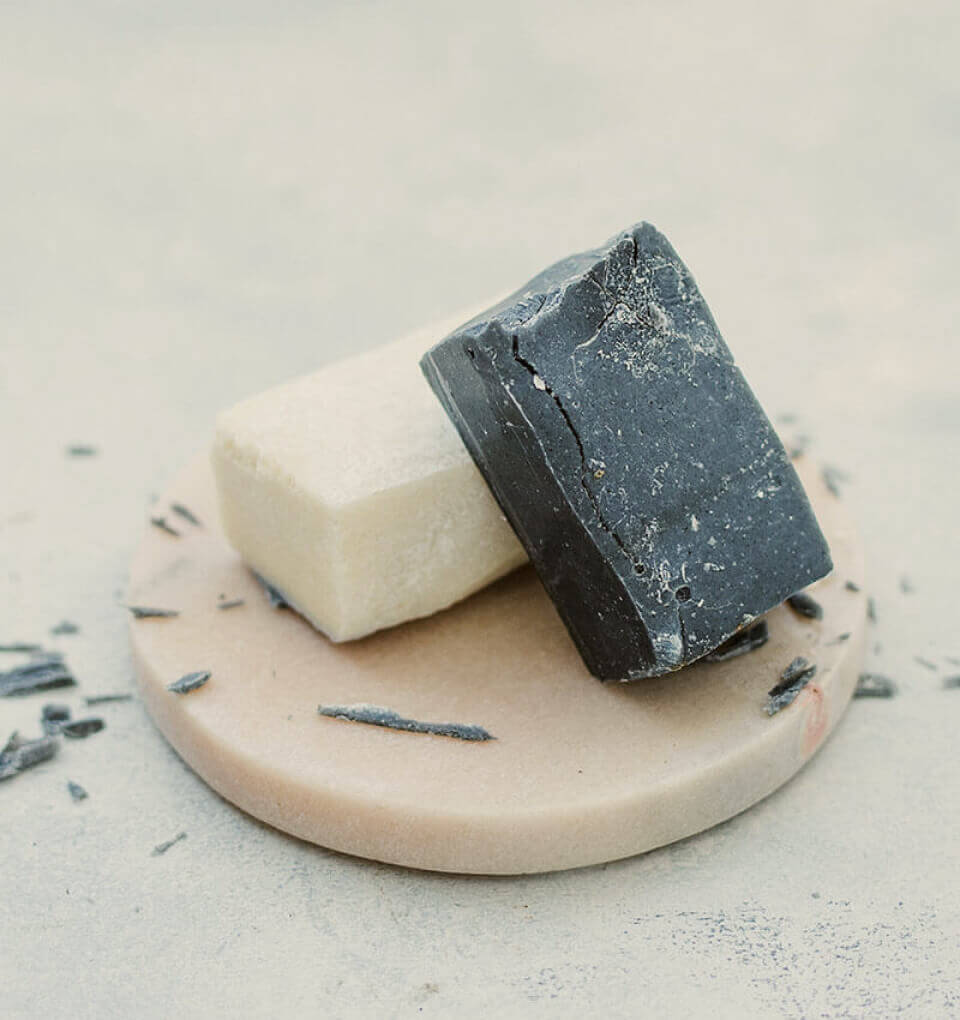
Work in the stillroom includes apothecary arts such as:
- perfumes
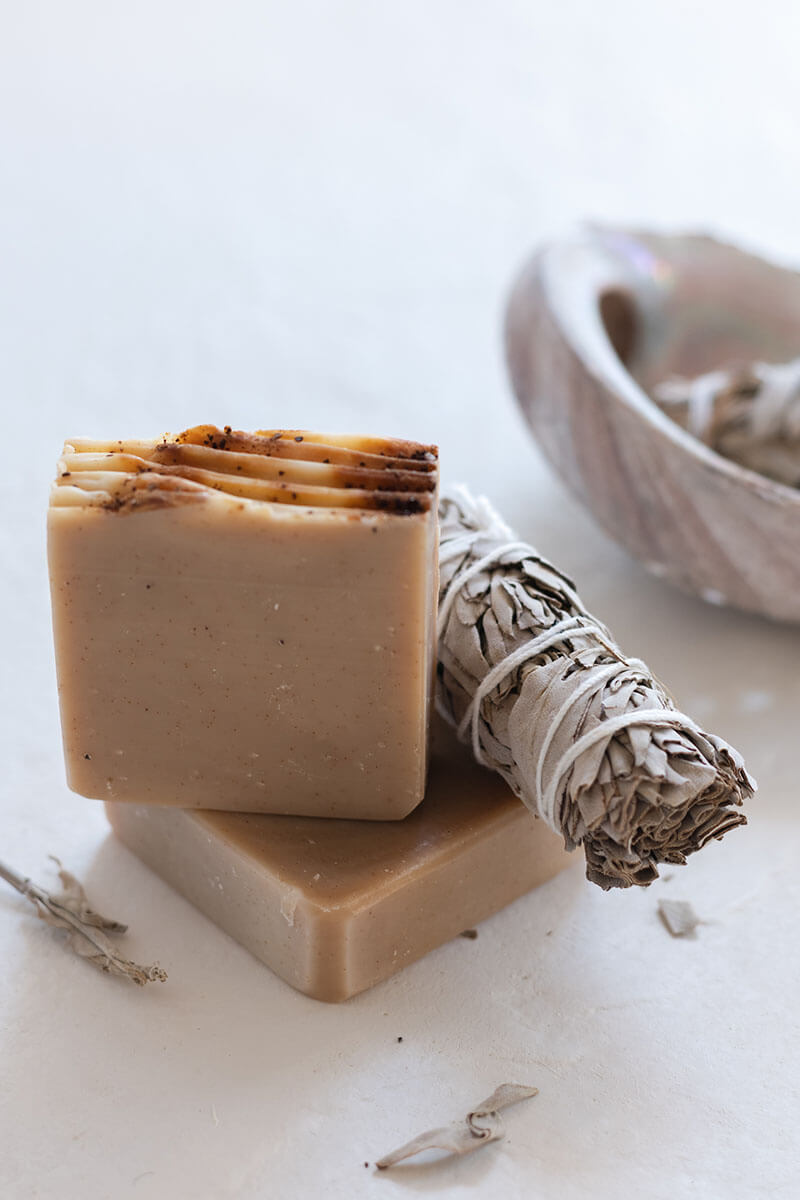
- soaps
- cosmetics
- salves
- remedies
- inks
- household chemistry
This field also includes domestic technologies:
- housekeeping methods
- childcare practices
- hygiene
- and the many tools and techniques that shaped day-to-day living
Whether recreating a feast, learning historical recipes, or experimenting with herbal infusions, this discipline connects us directly to the sensory world of the past.

Next Class / Workshop:





















Scribal & Heraldic Arts
Art of Words, Scrolls, &Arms
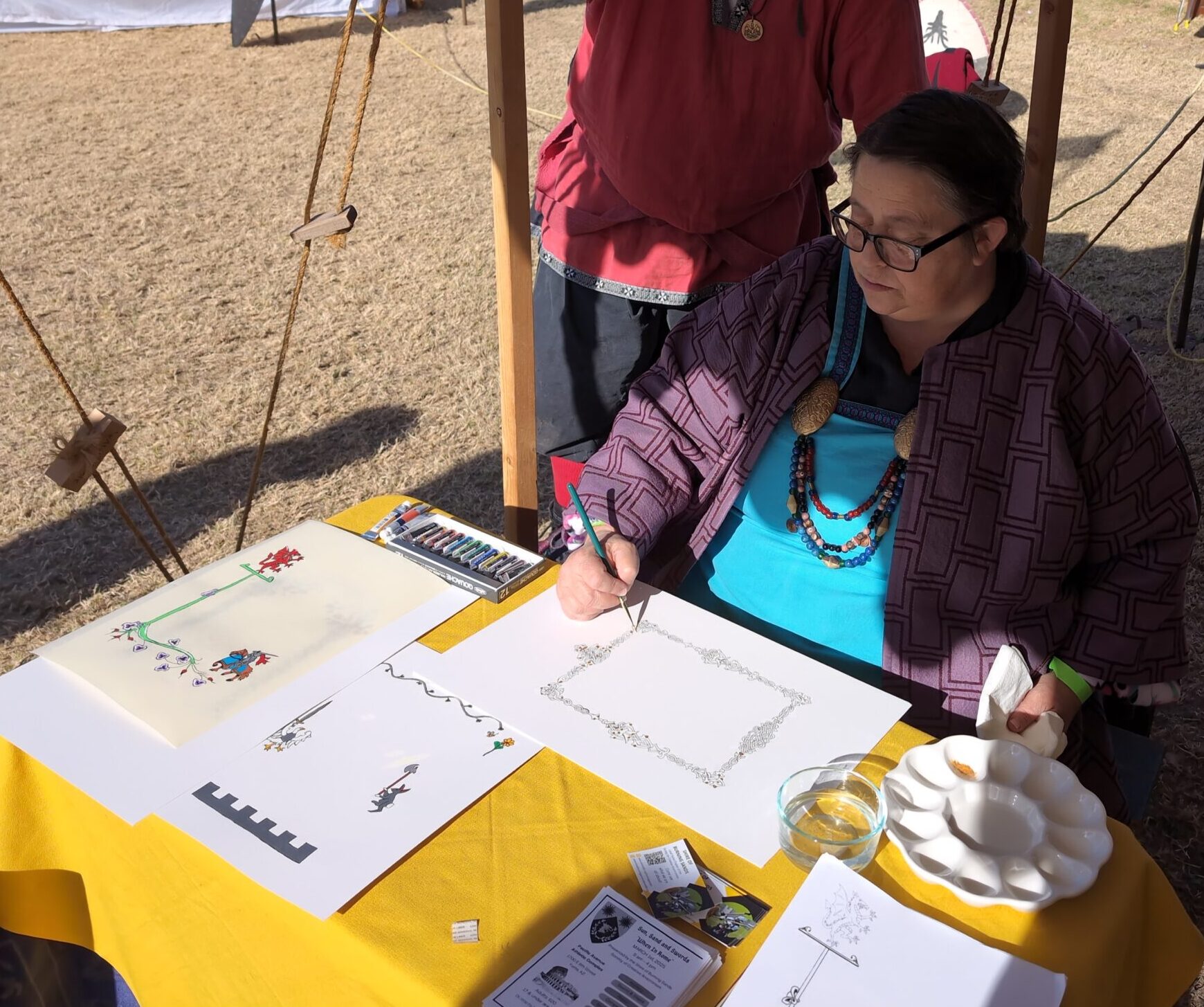
Scribal & Heraldic Arts celebrate the artistry of written culture and identity in the medieval and Renaissance world.
Scribal pursuits include:
- calligraphy
- illumination (decorative elements of manuscripts and scrolls)
- scroll-making
- manuscript reproduction
- traditional bookbinding.
Heraldic study involves designing and interpreting personal and group armory, understanding period rules of heraldry, and crafting devices, banners, and standards. From gilded scrolls to painted shields, this discipline preserves the visual language of honor and recognition across the Known World.
Next Class / Workshop:
Material & Craft
Crafts and trades of the past
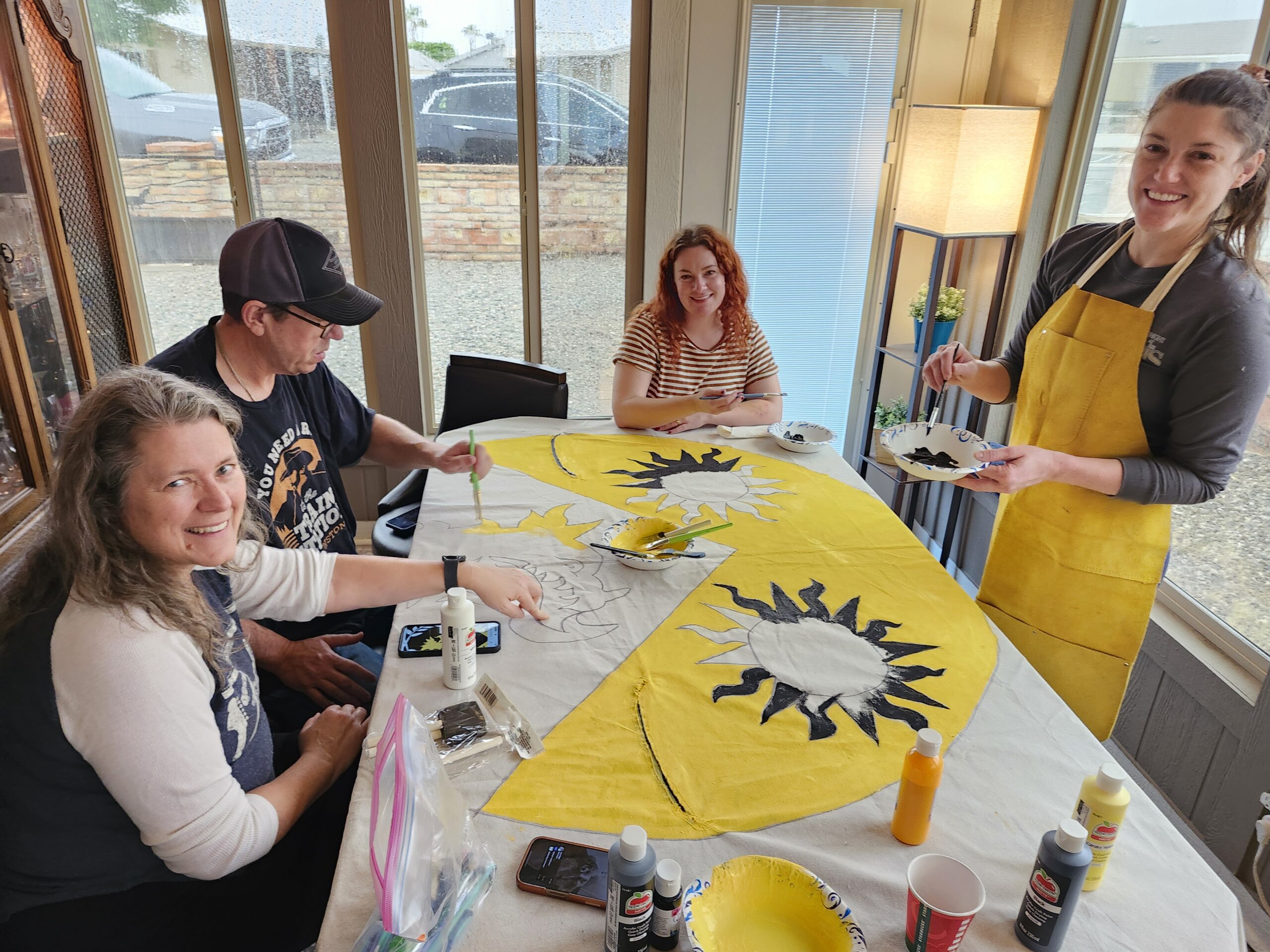
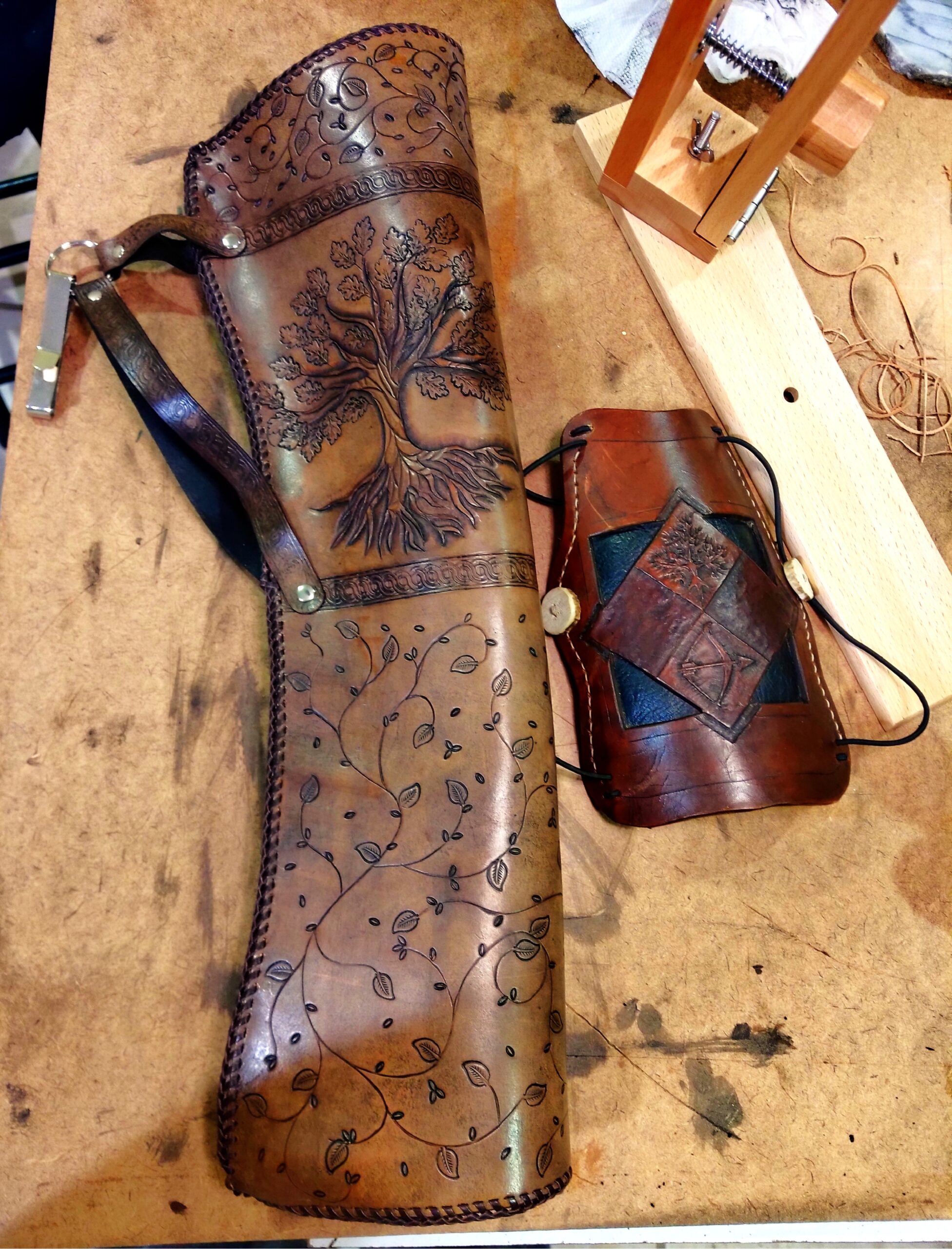
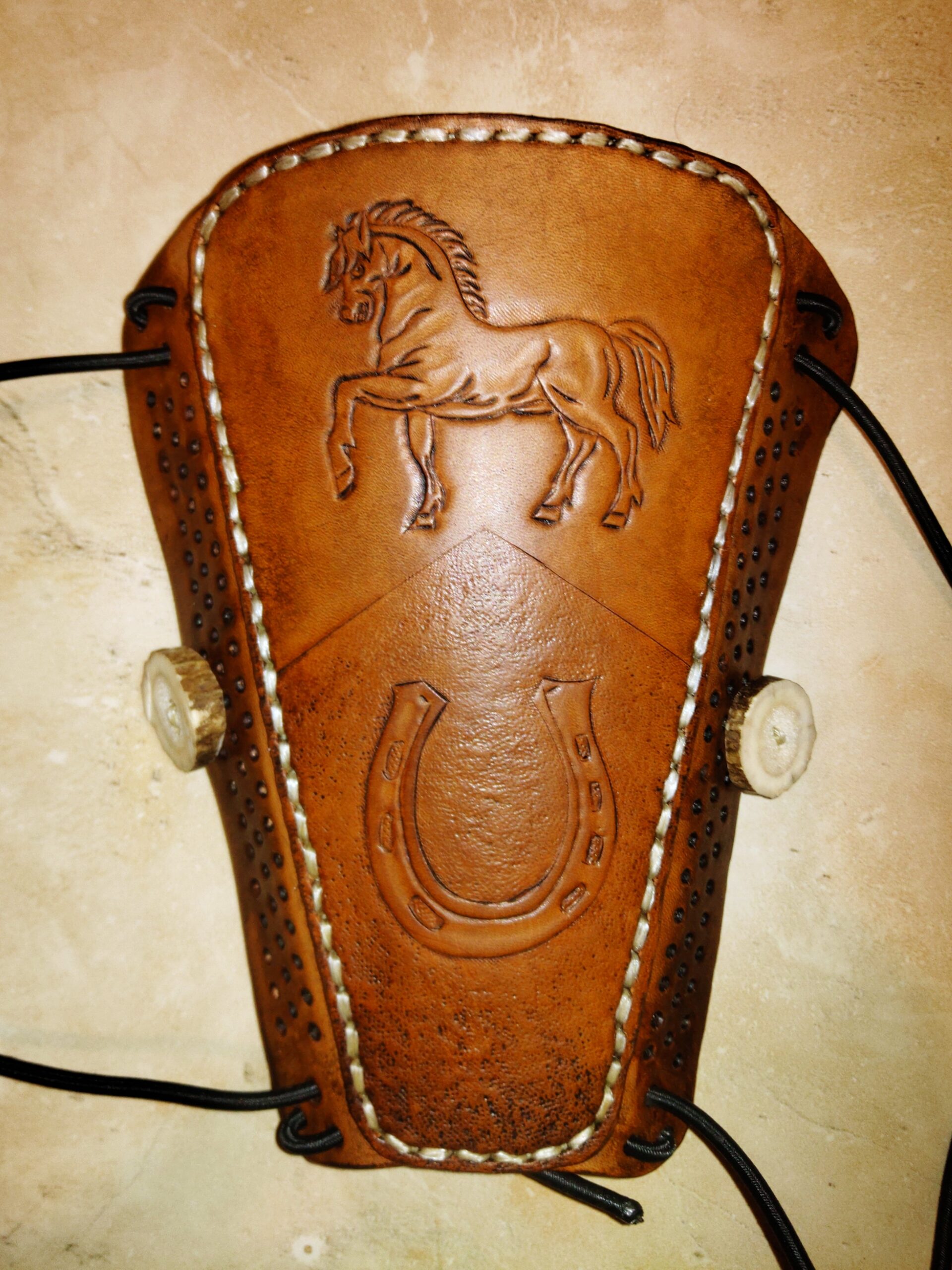
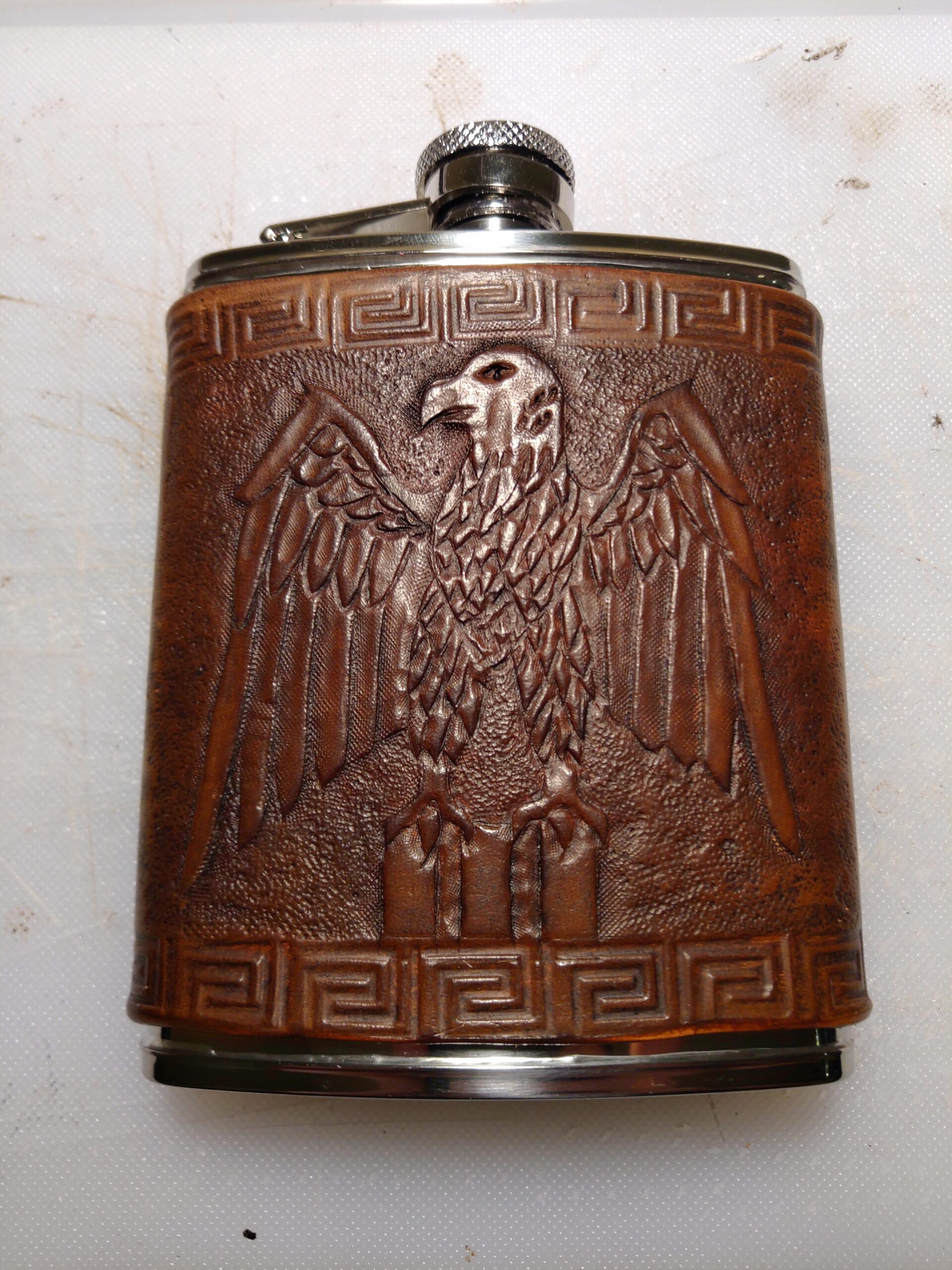
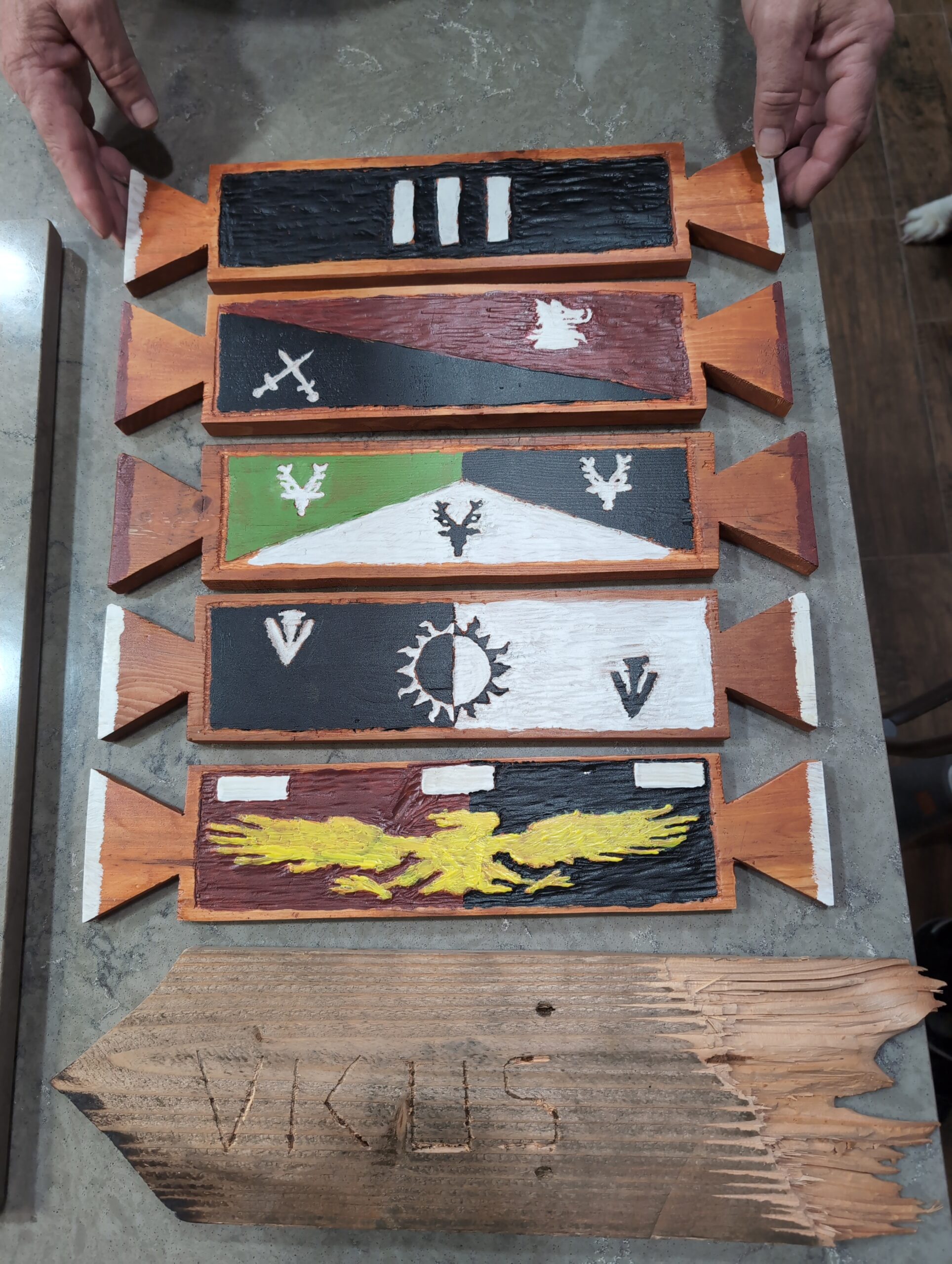
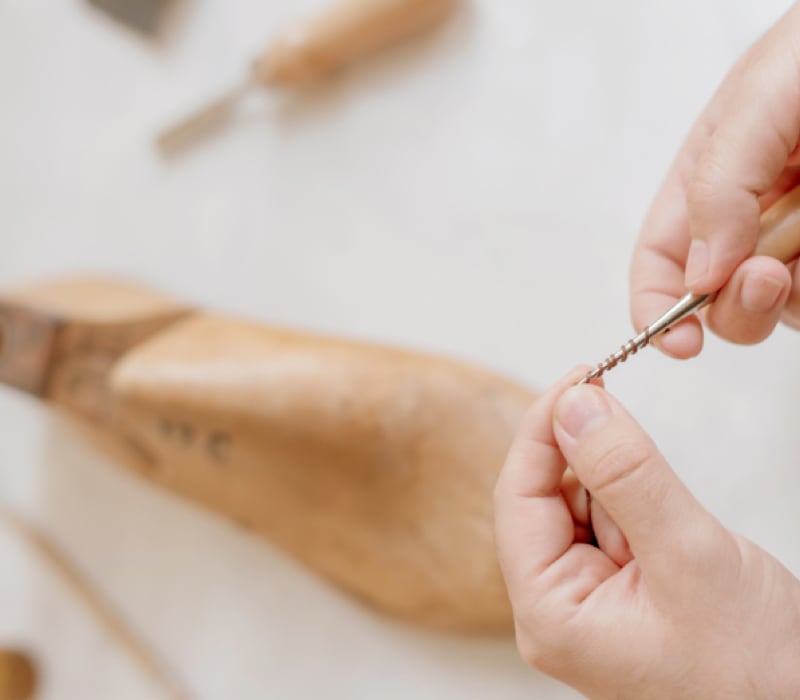
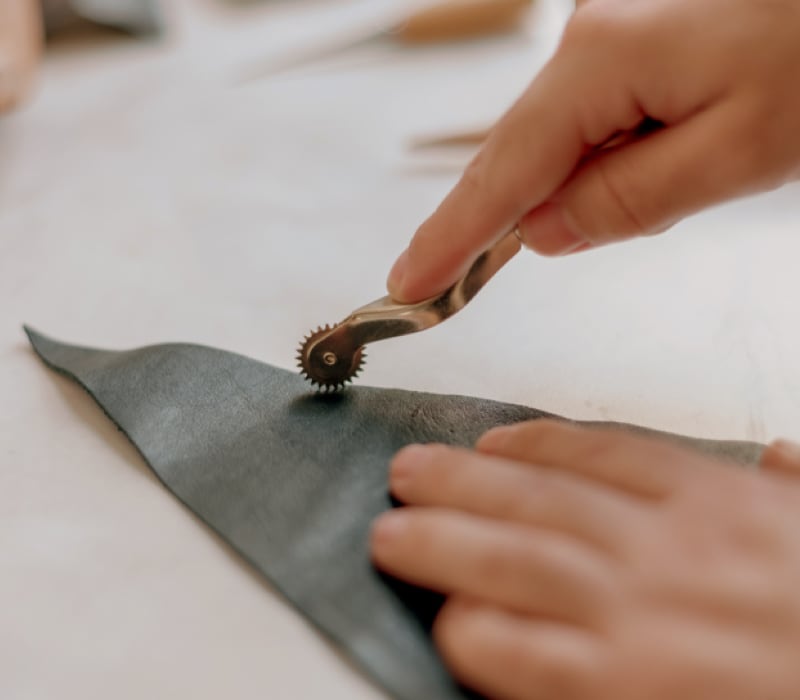
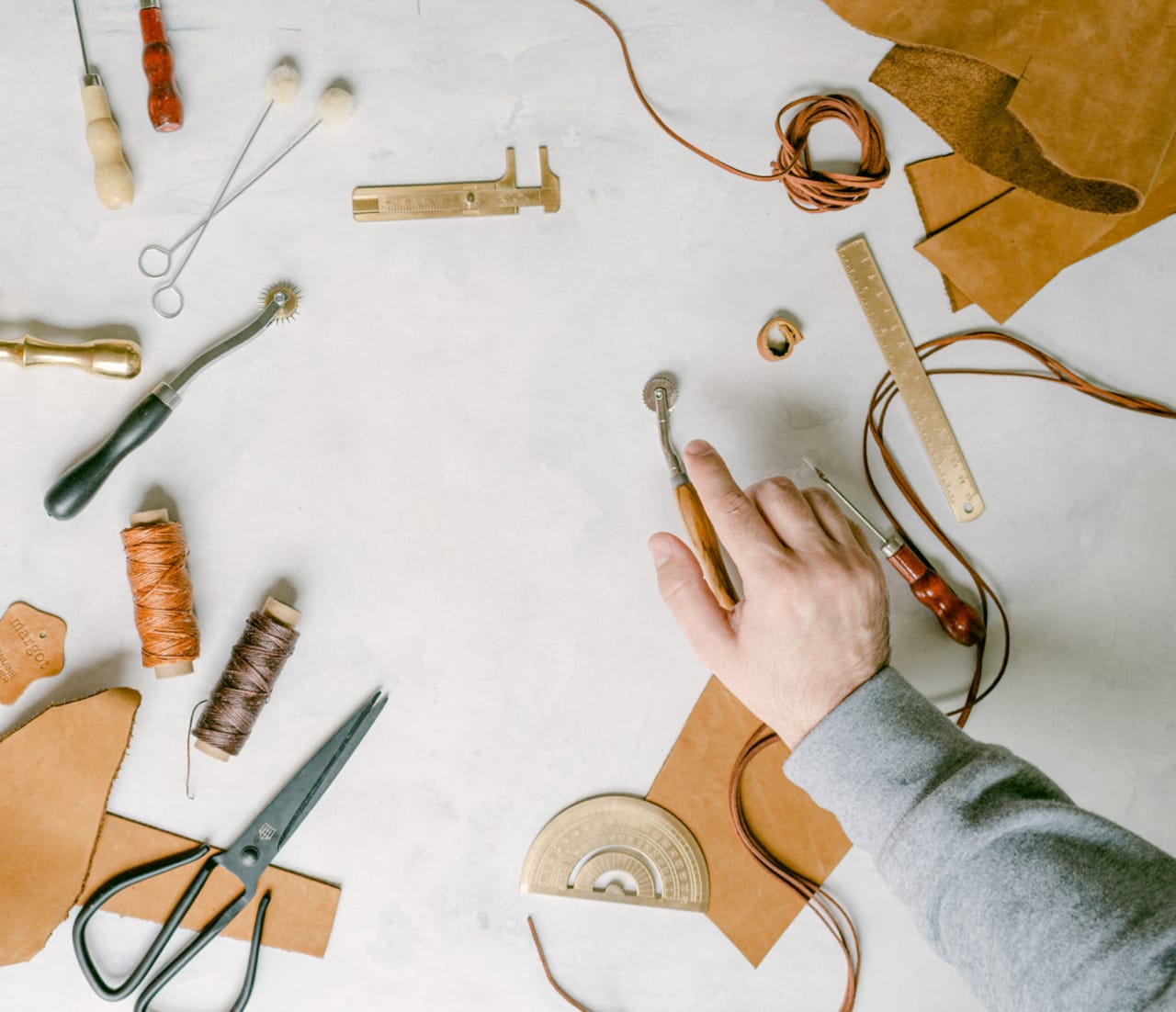
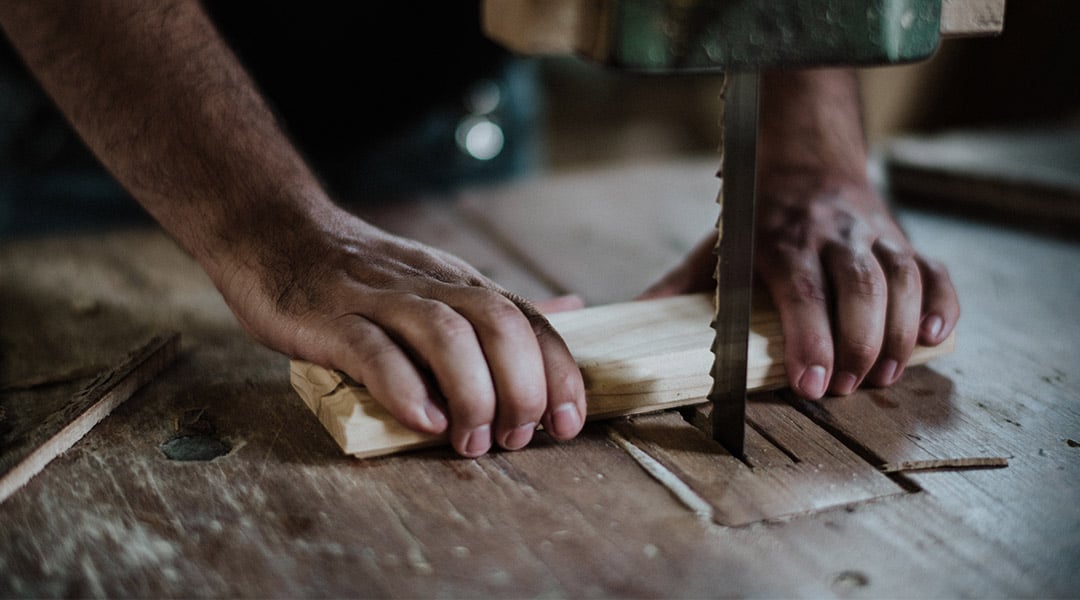
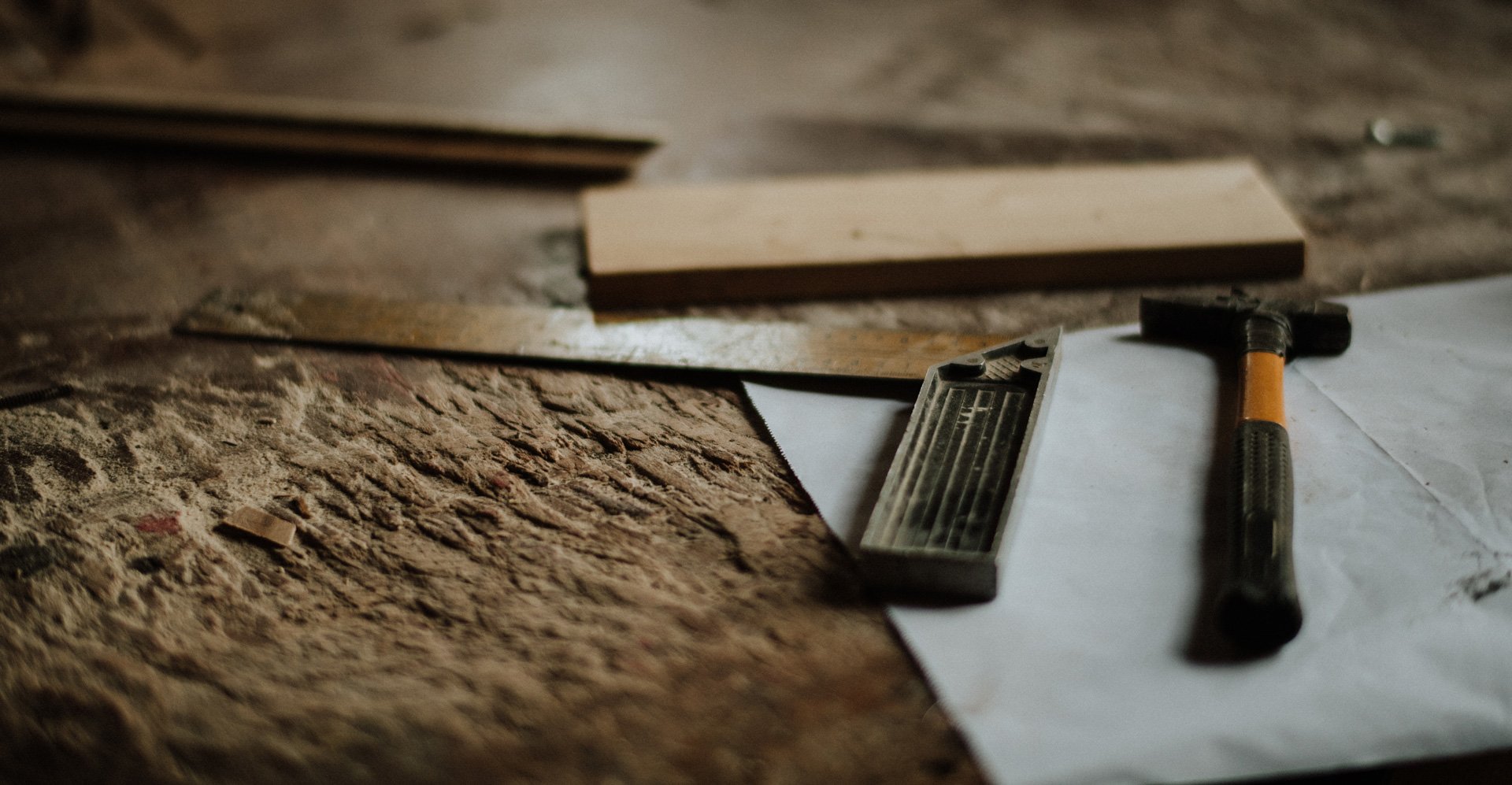
Material & Craft Arts encompass the wide array of historical trades and artisan skills practiced throughout the SCA.
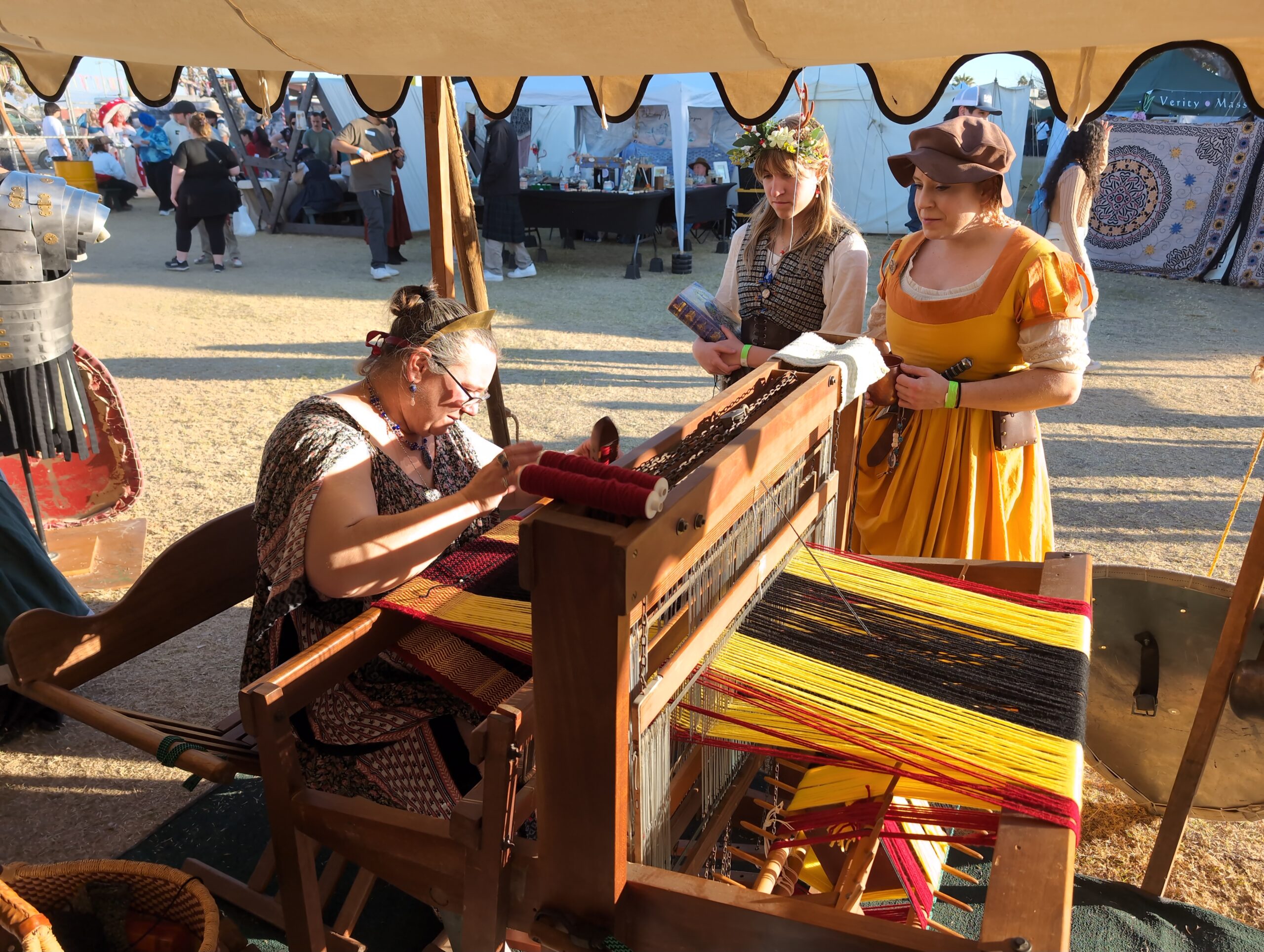
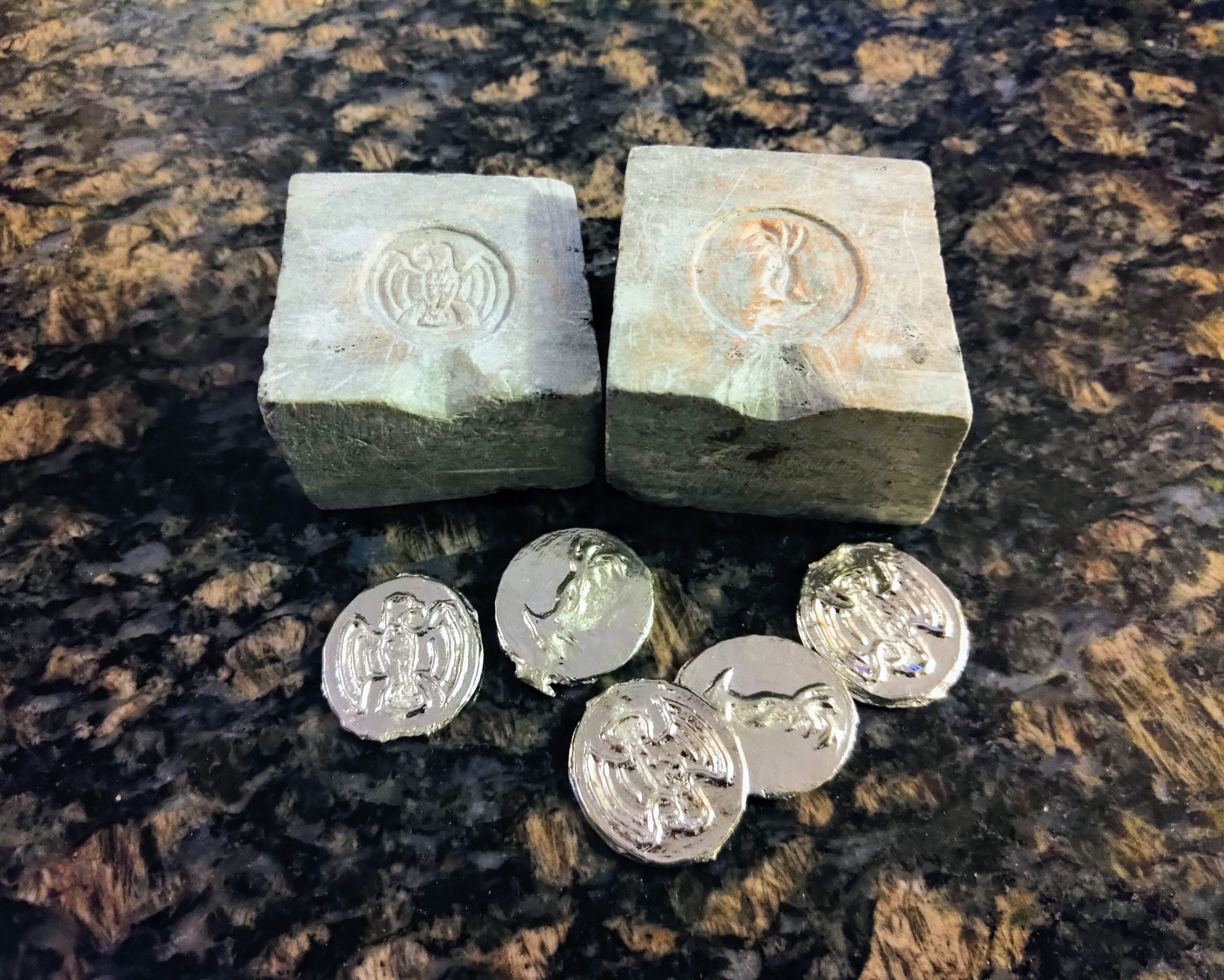
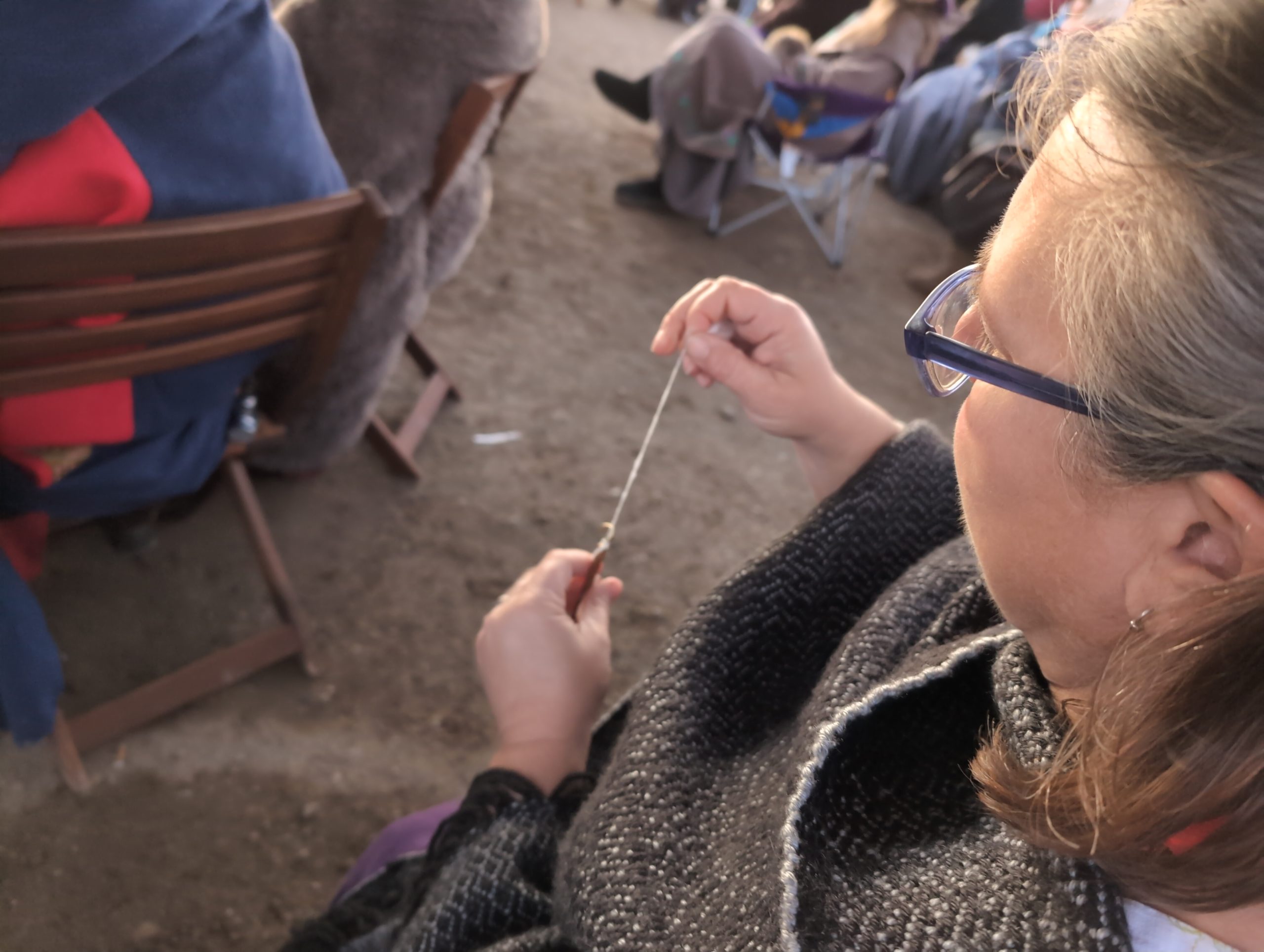
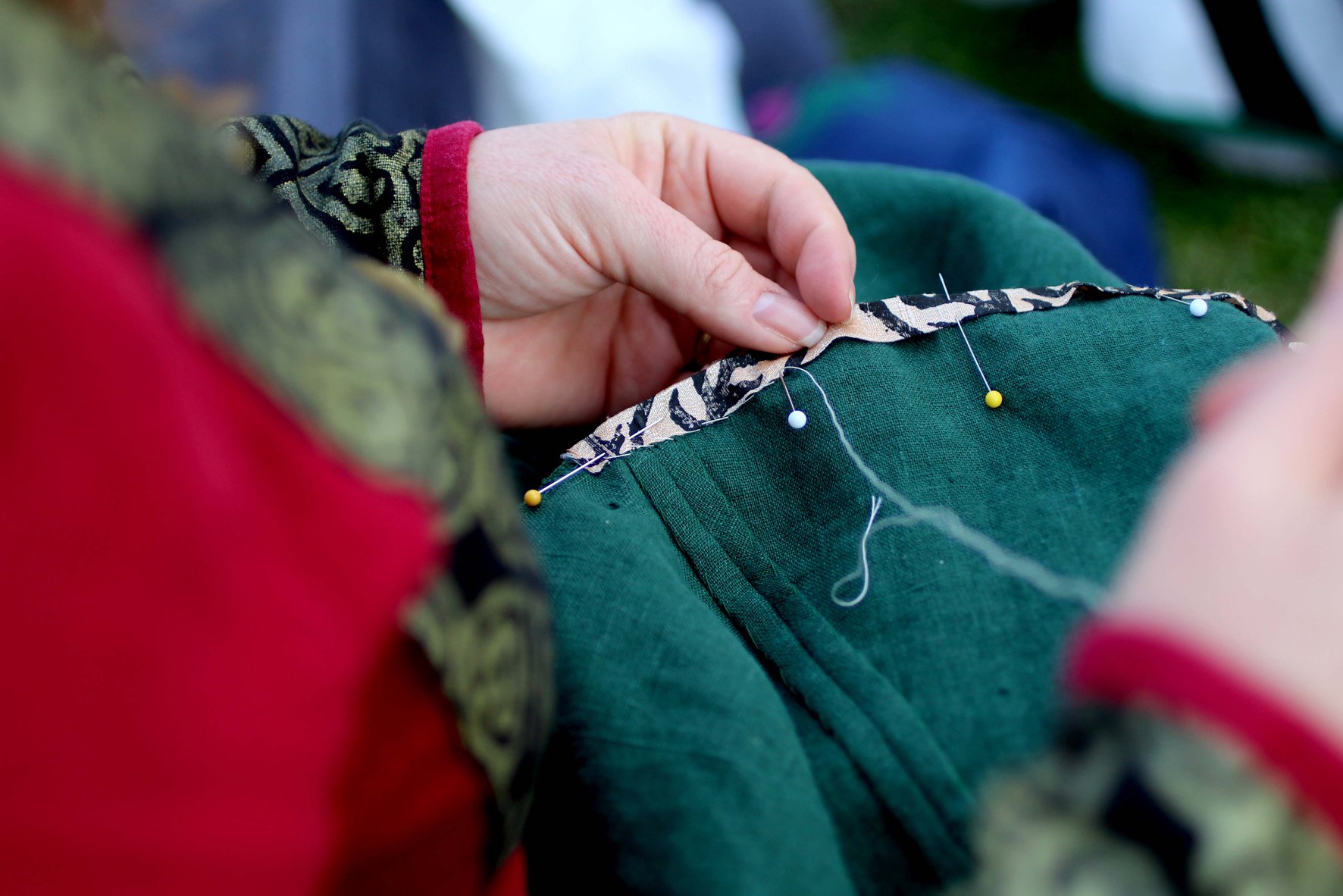
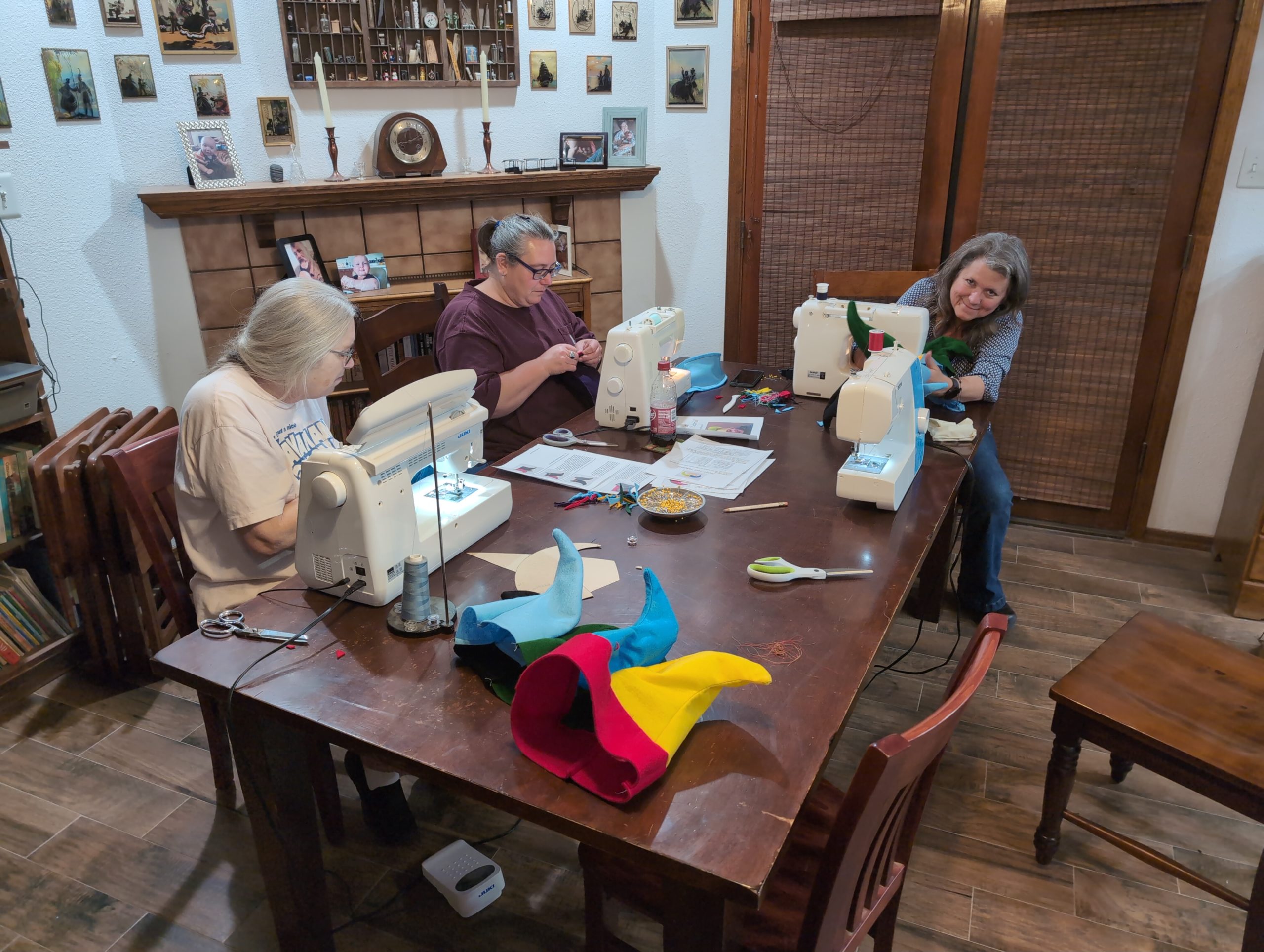
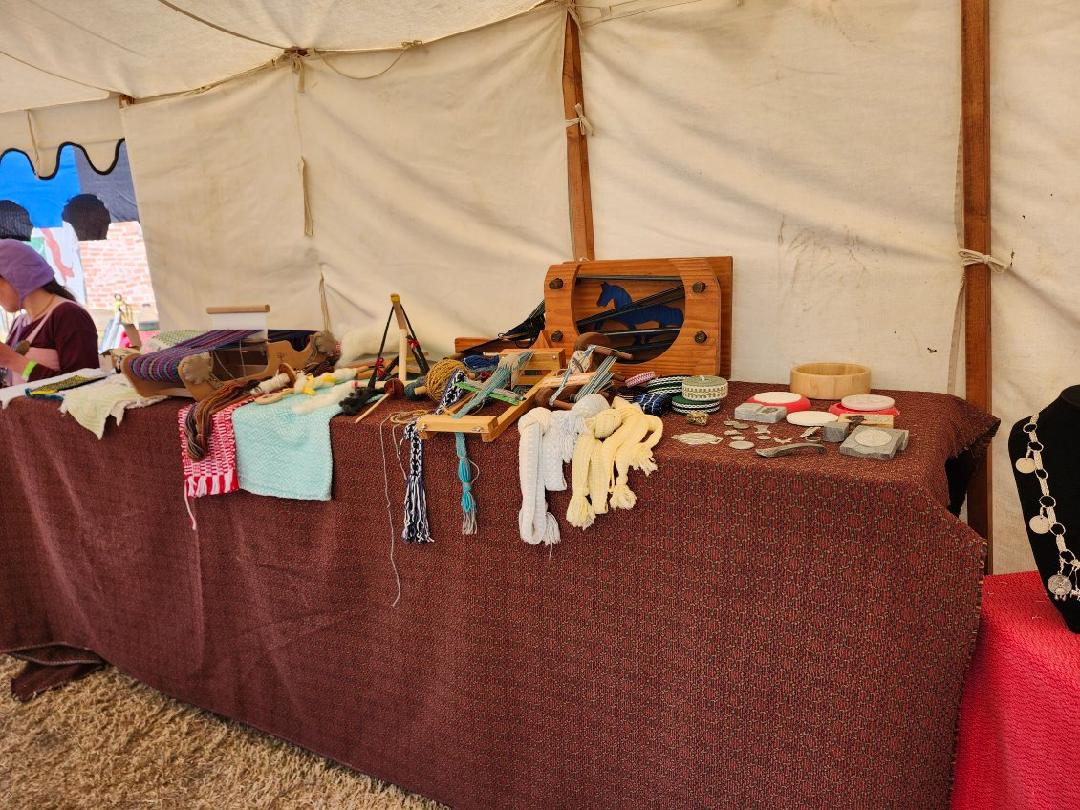
- Textiles & Fiber Arts include spinning, weaving, dyeing, embroidery, sewing, lace-making, felting, and basket-making.
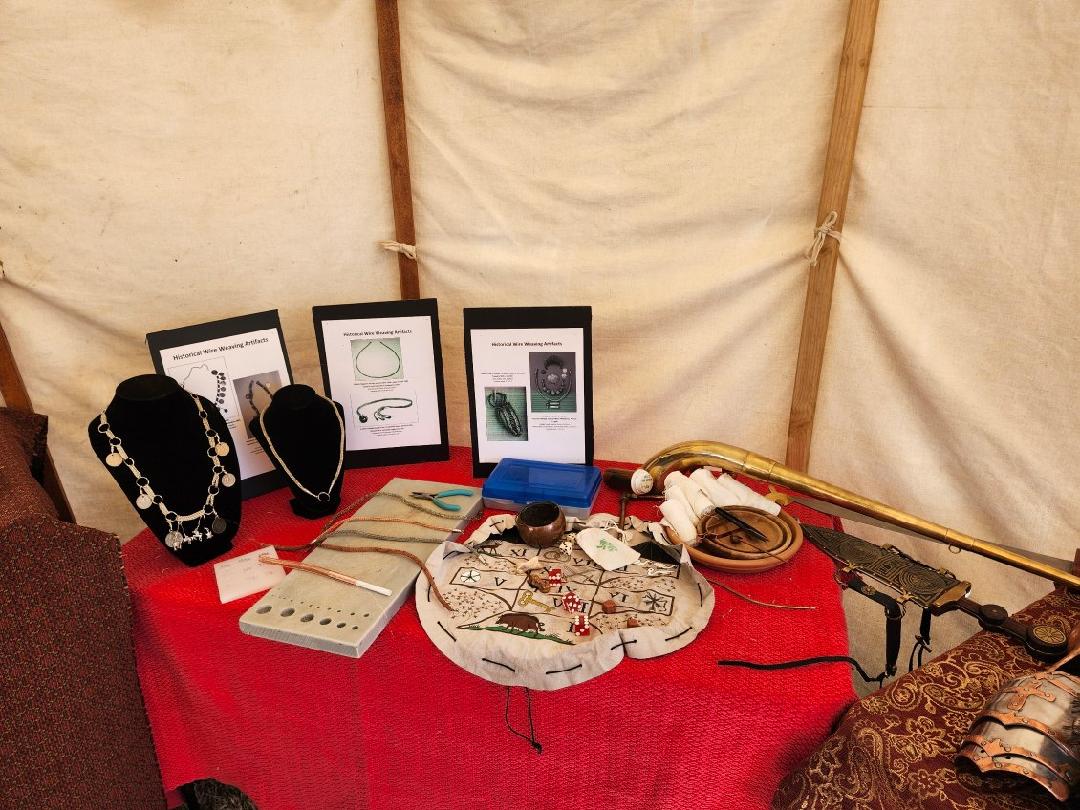
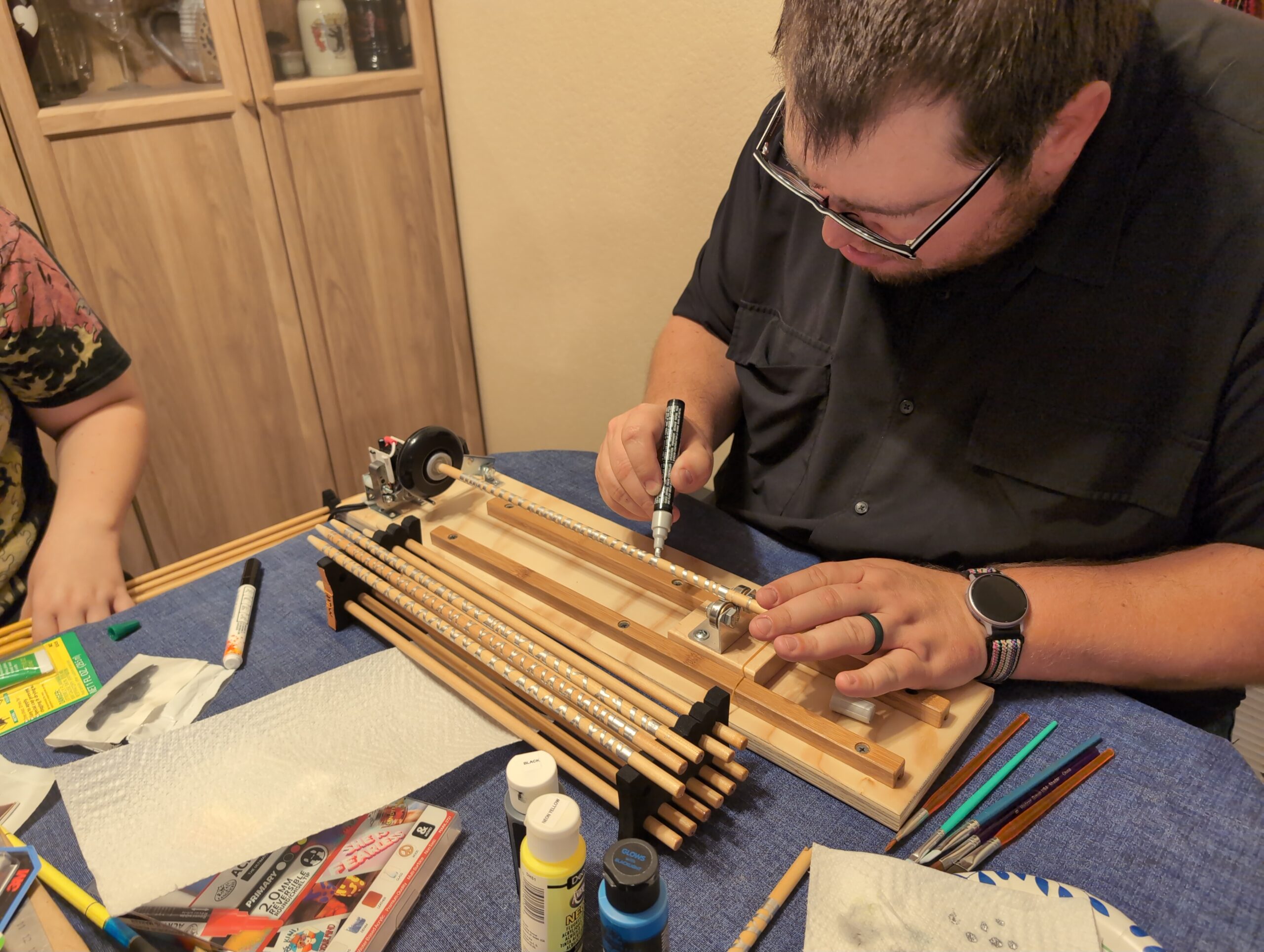
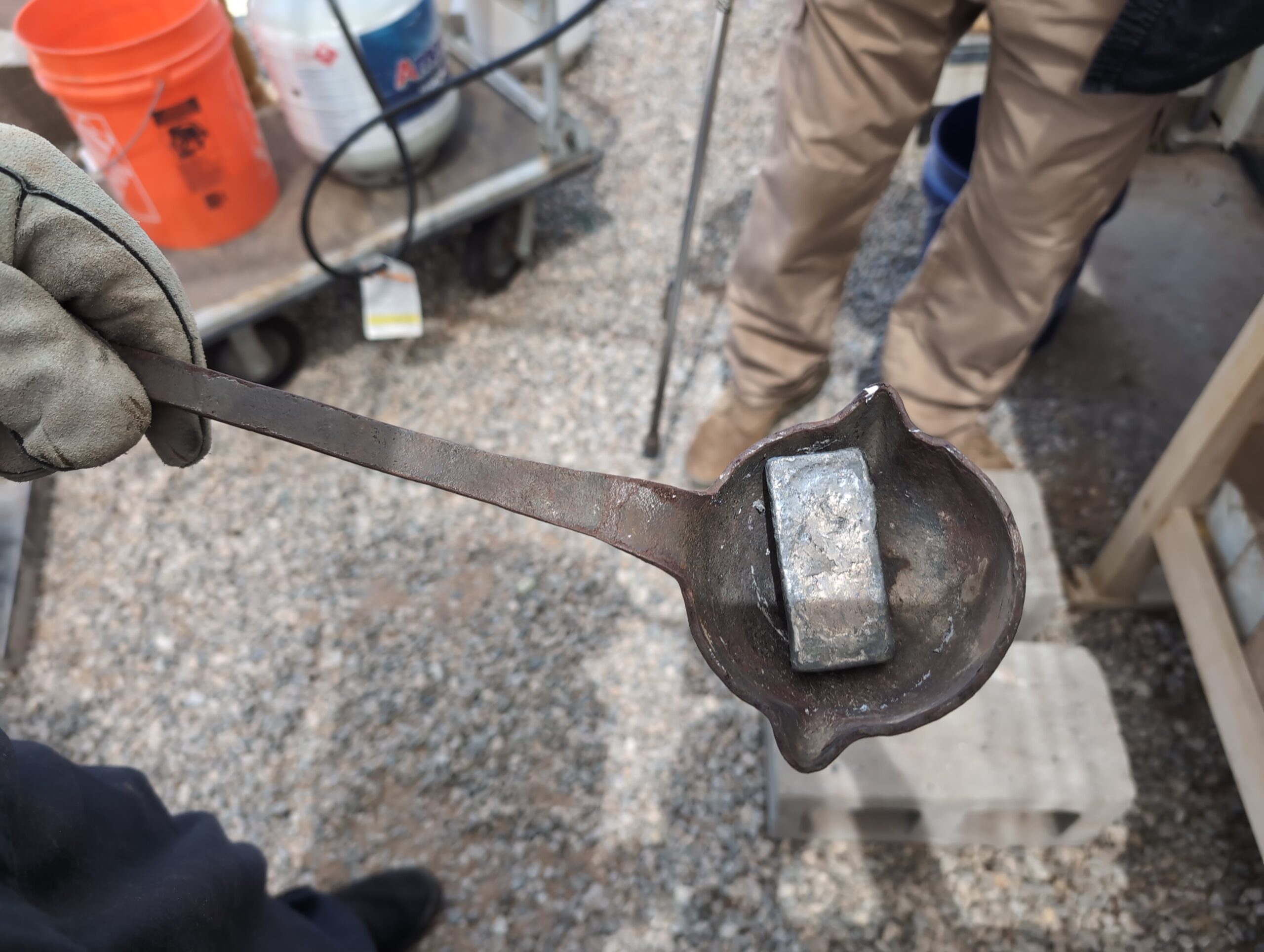
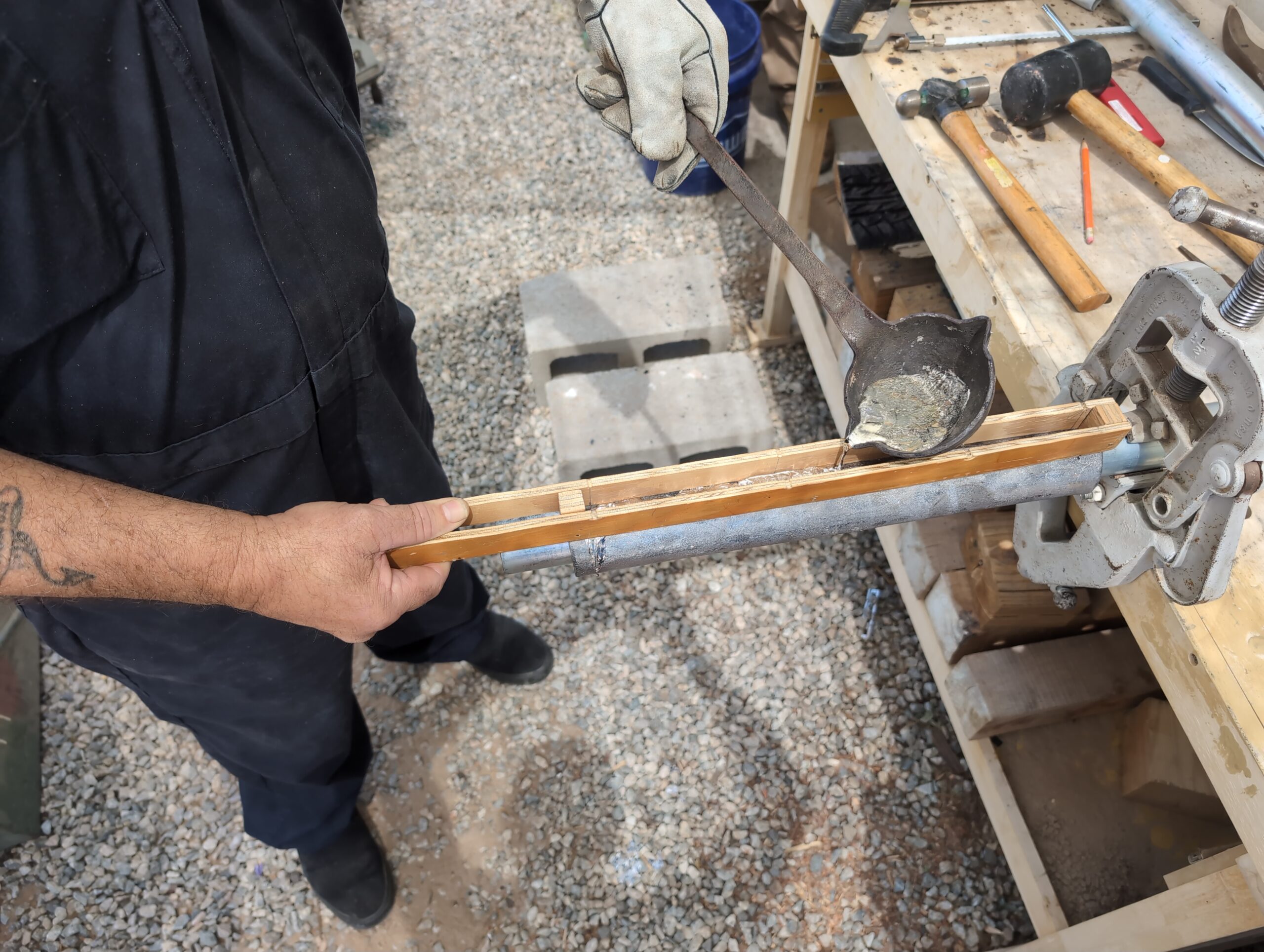
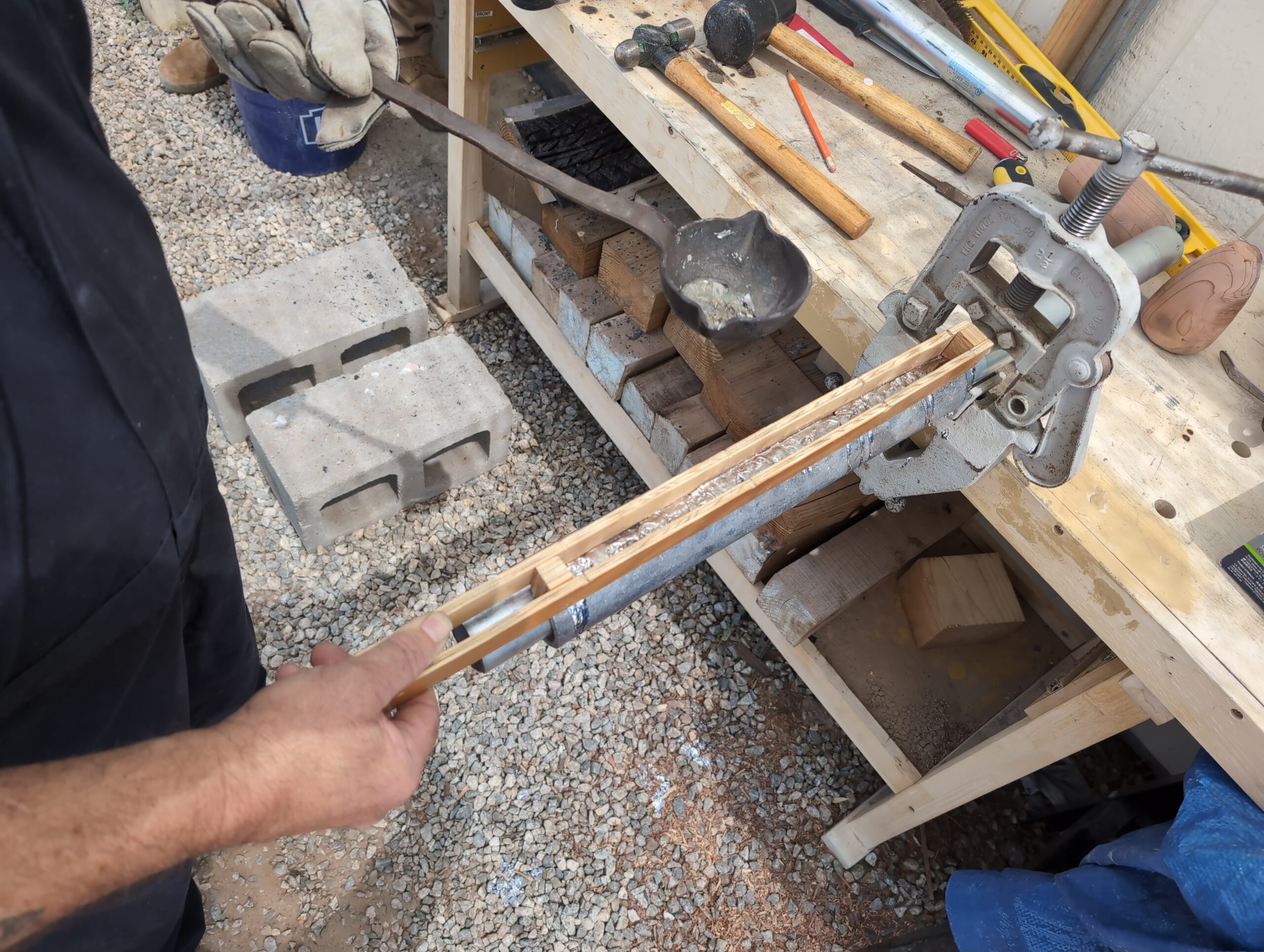
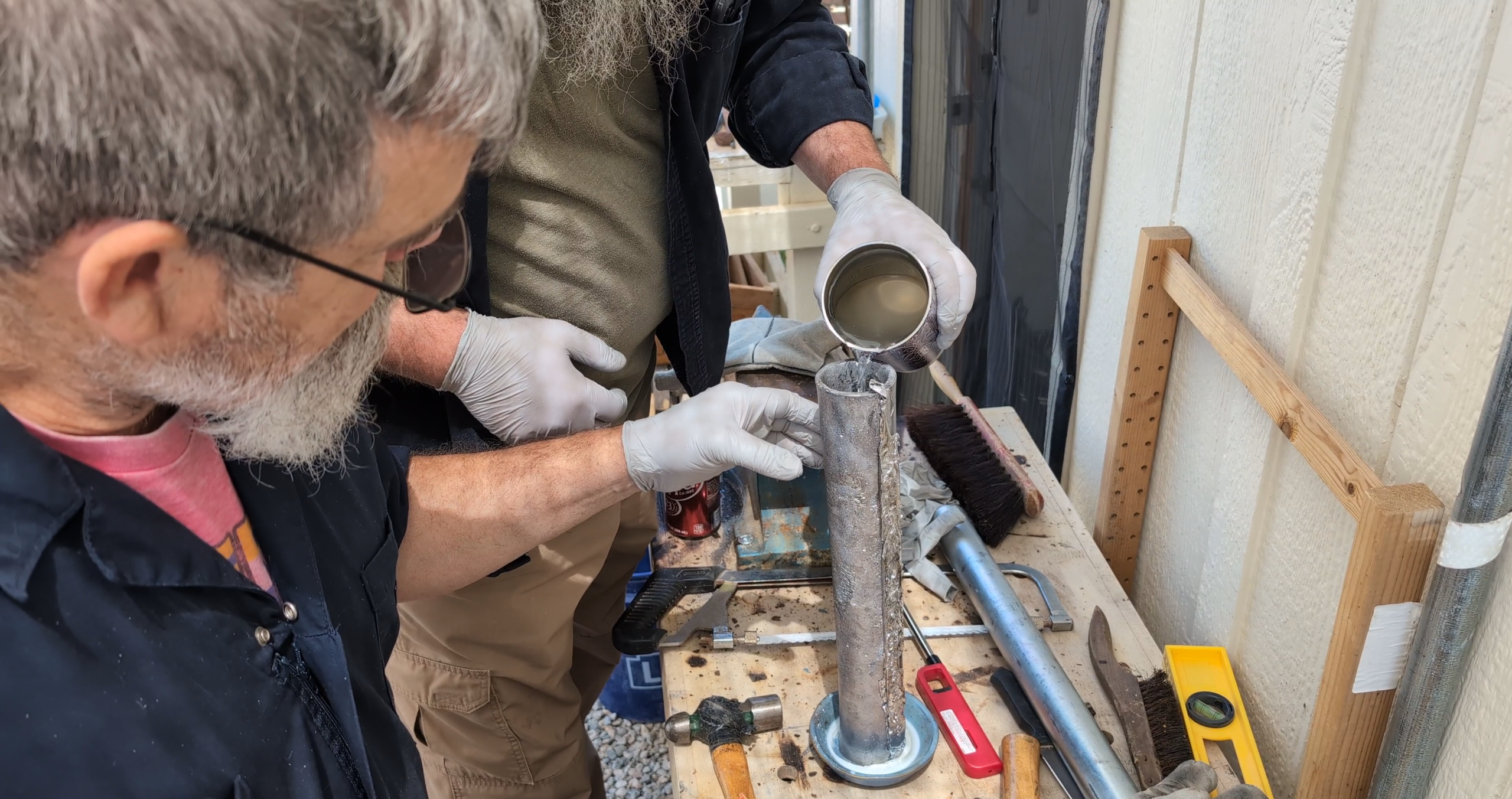
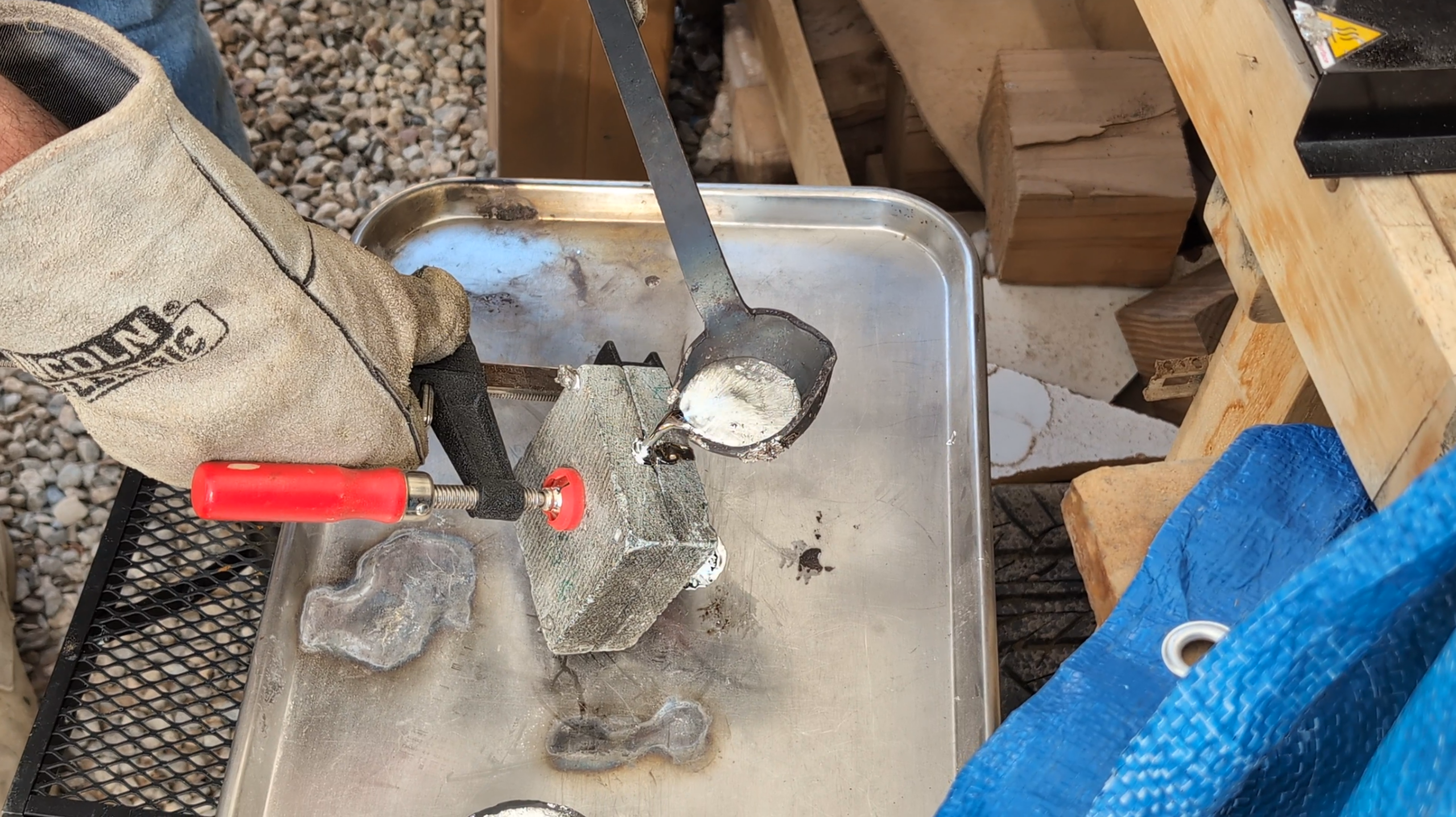
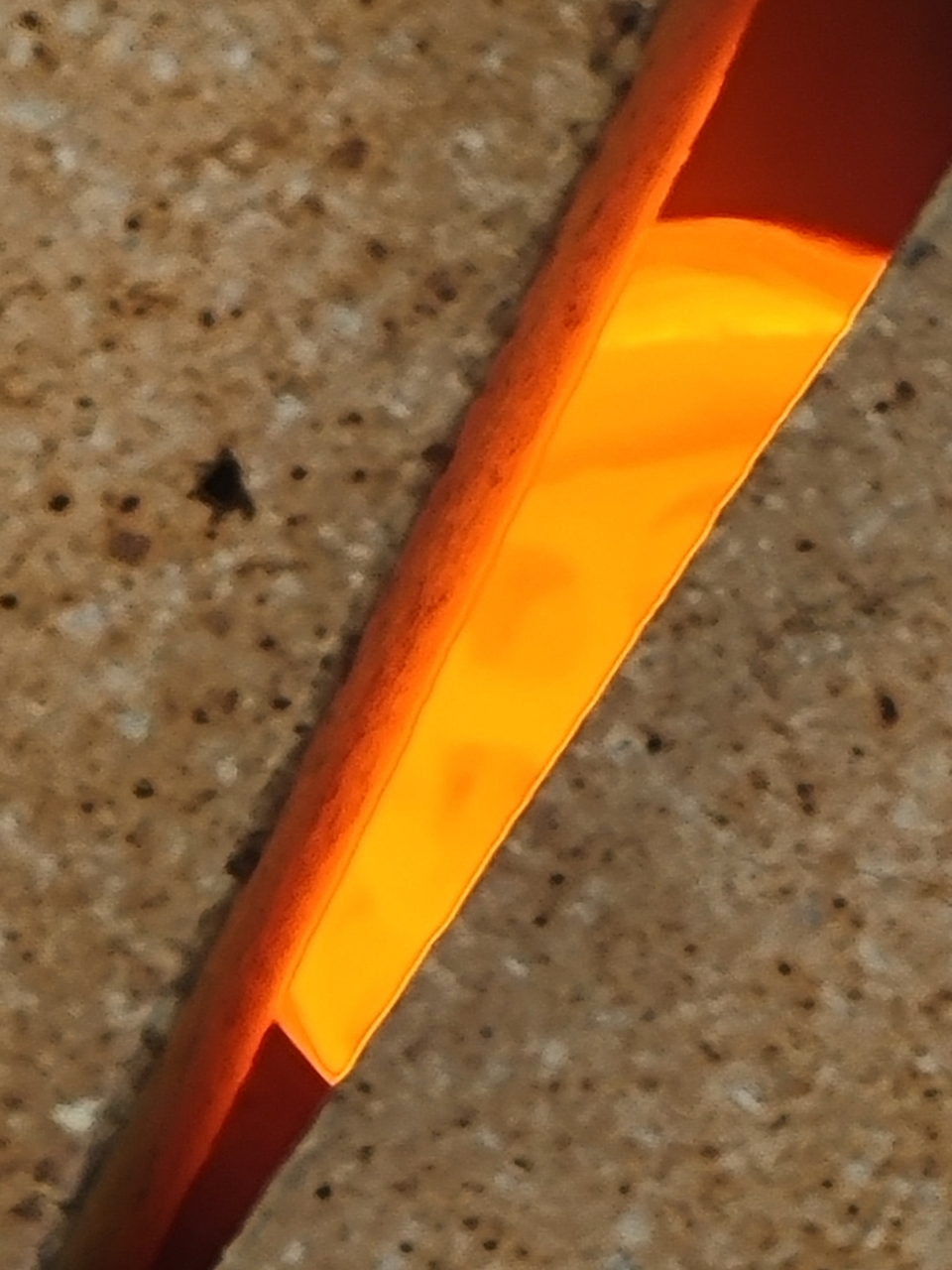
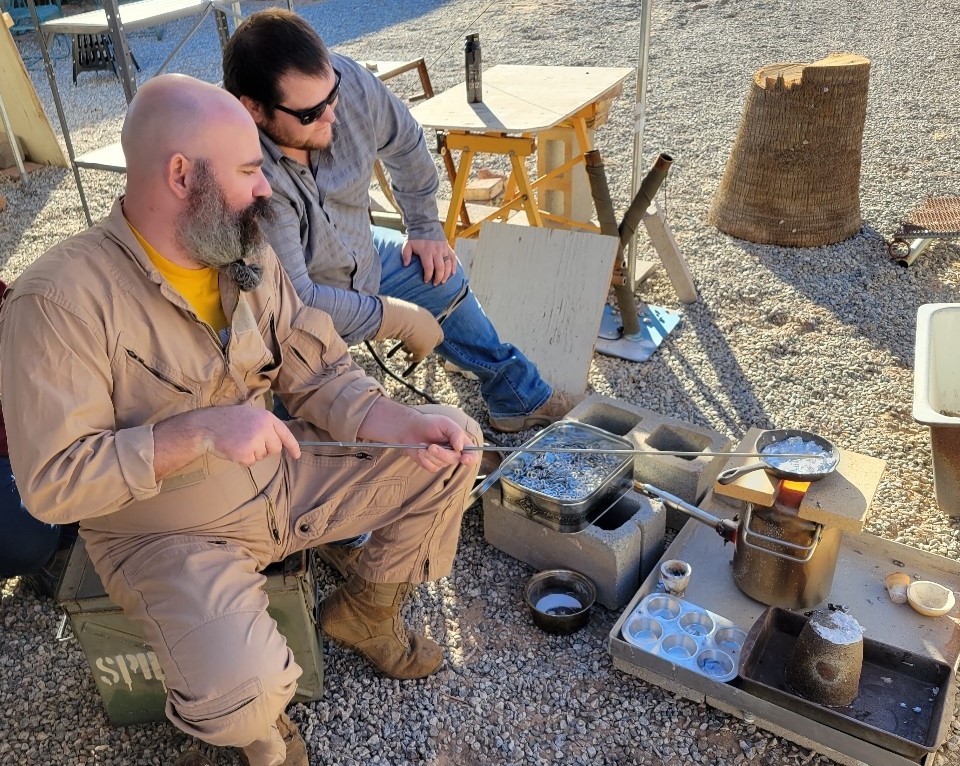
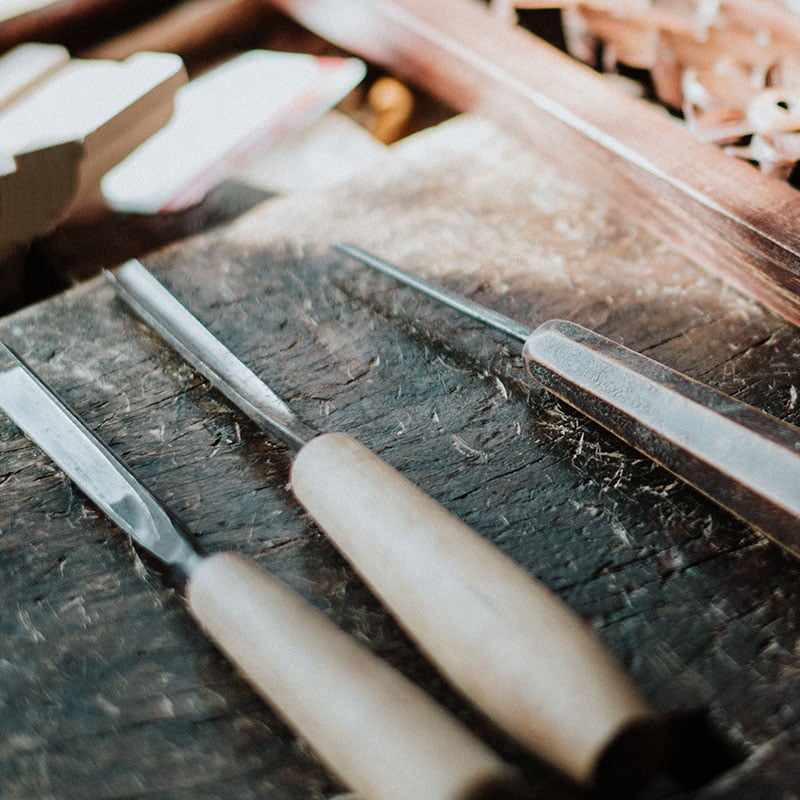
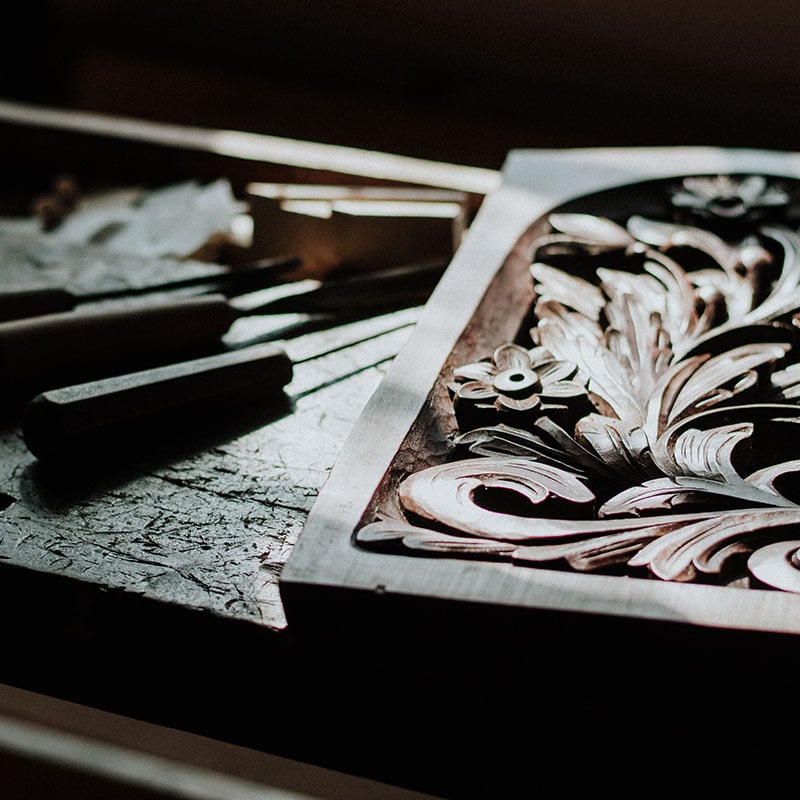
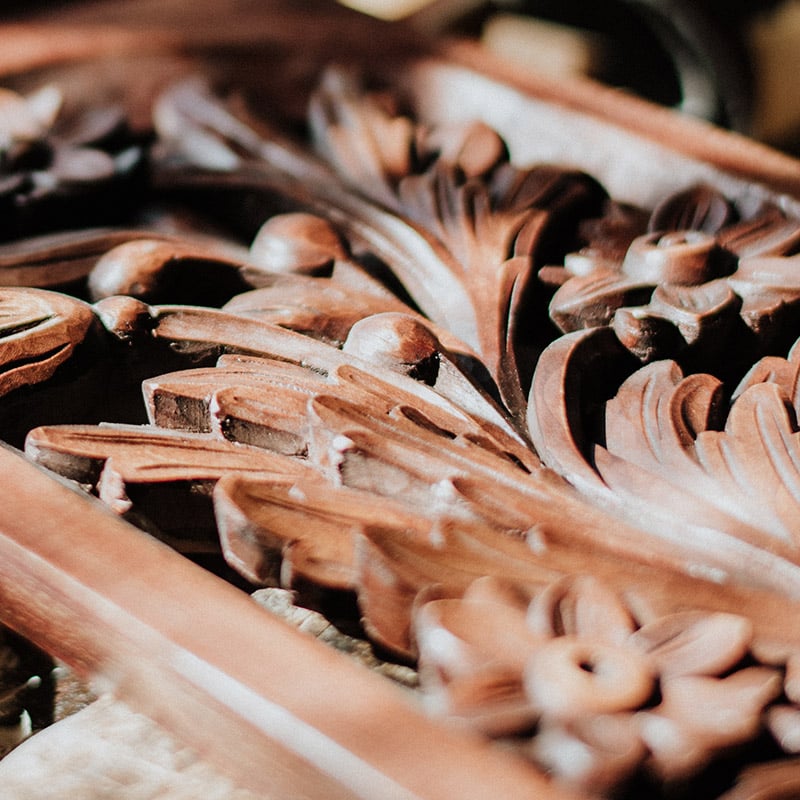
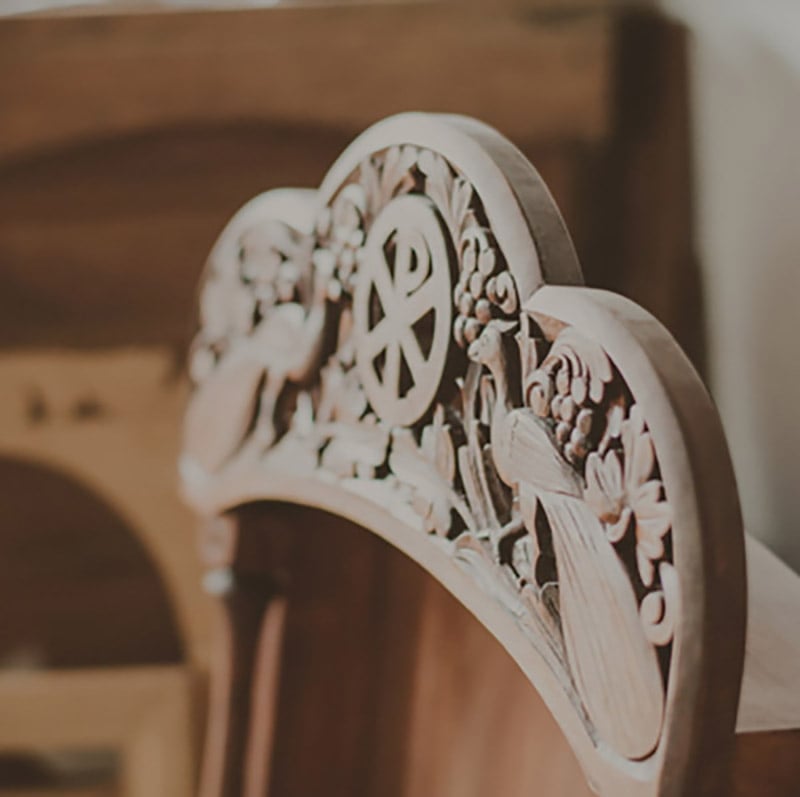
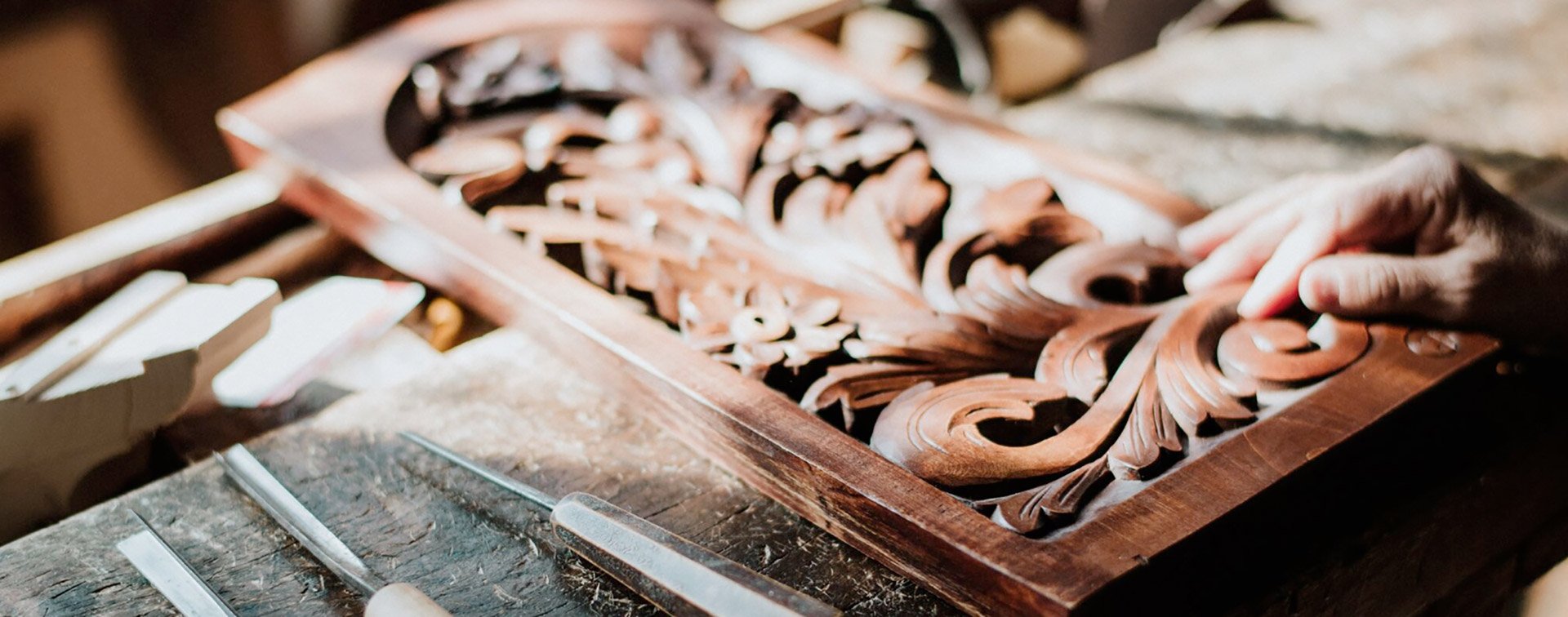
- Metal, Bone, Horn & Stone arts cover blacksmithing, armoring, casting, jewelry work, enameling, carving, glasswork, wire weaving, beadmaking, and chainmail.
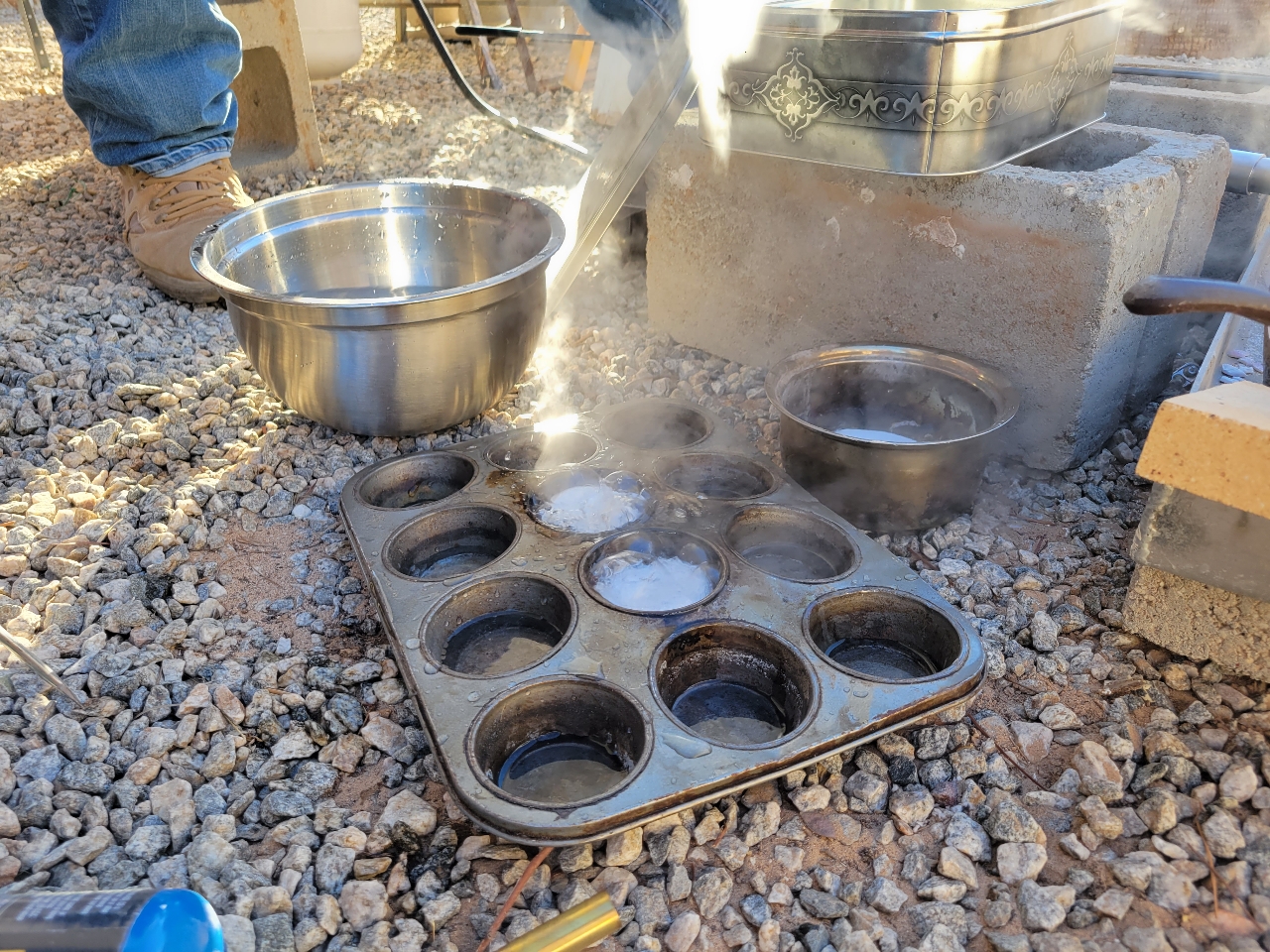
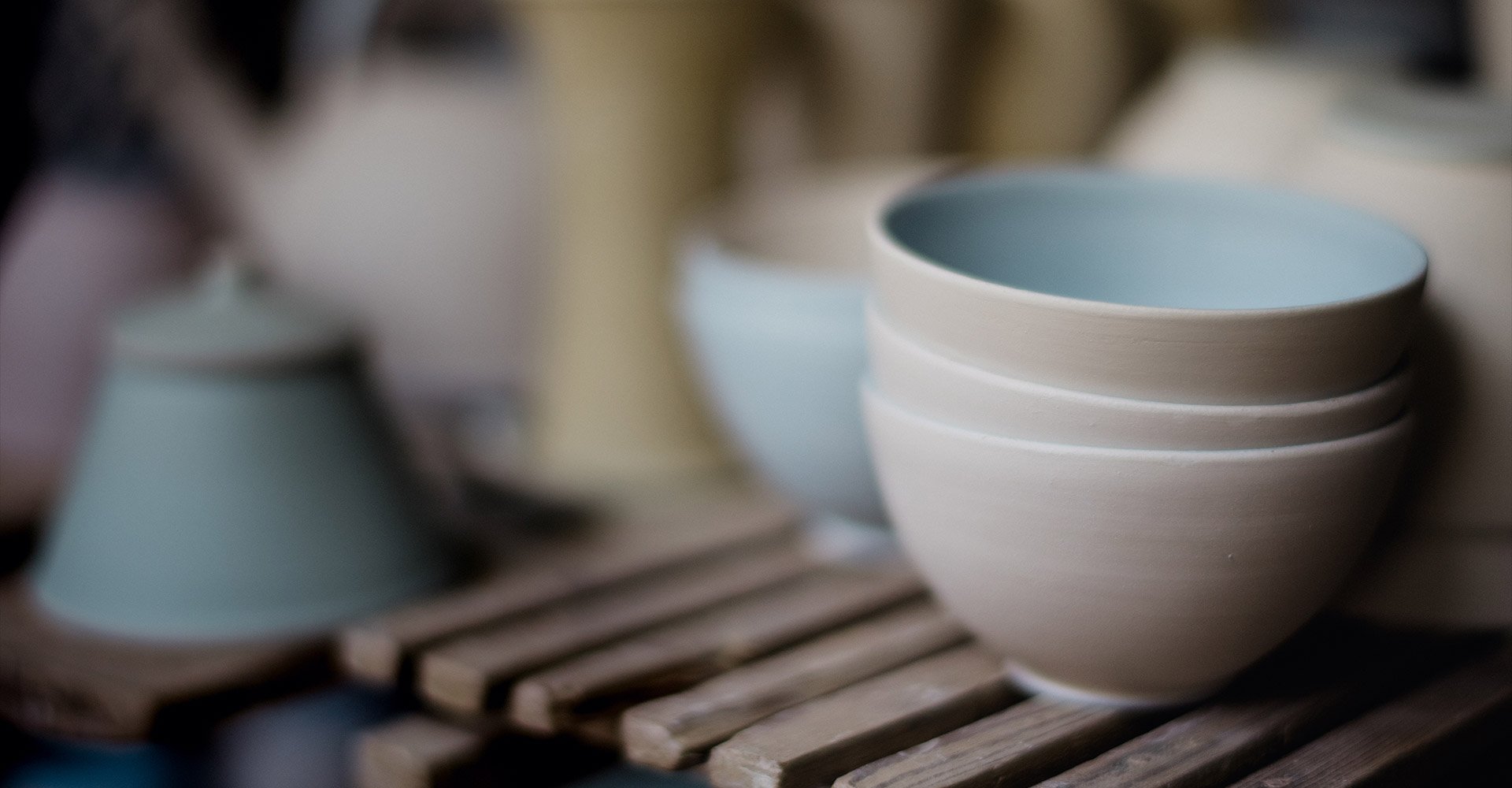
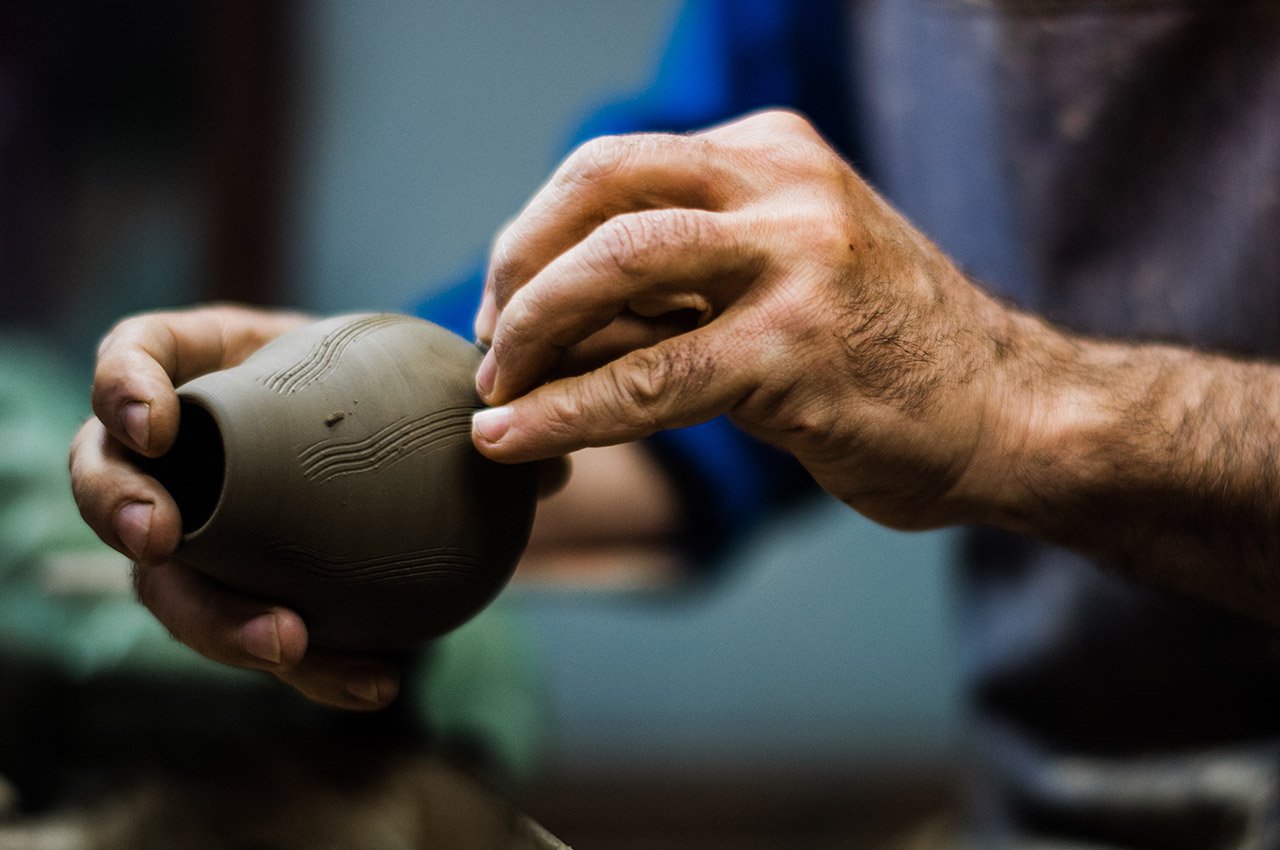
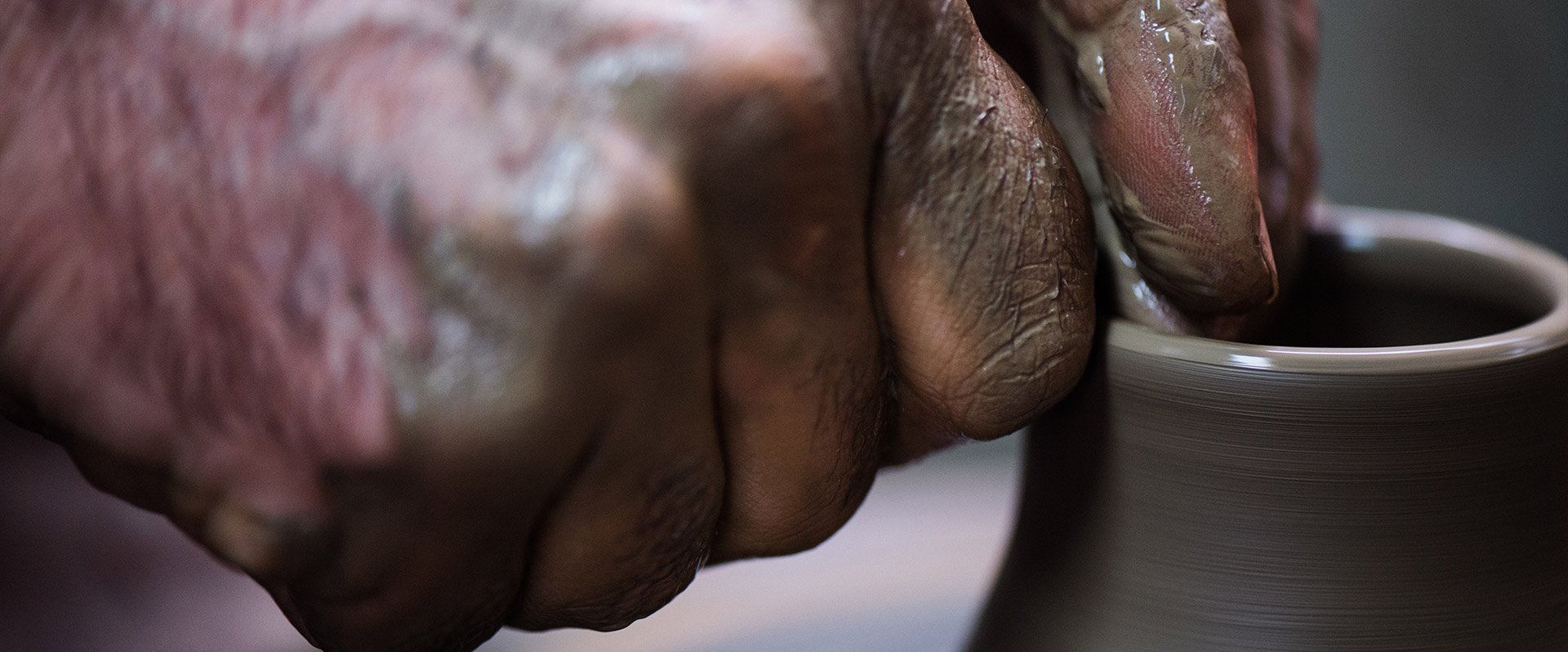
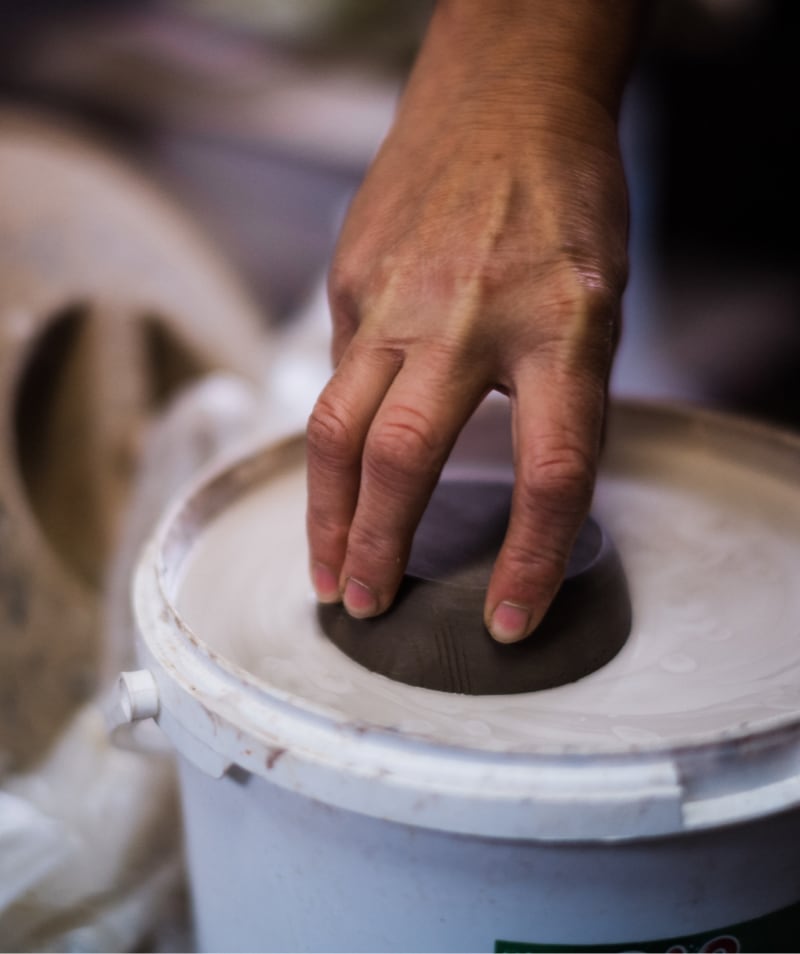
- Ceramics & Clay involve pottery, tile-making, and sculptural forms.
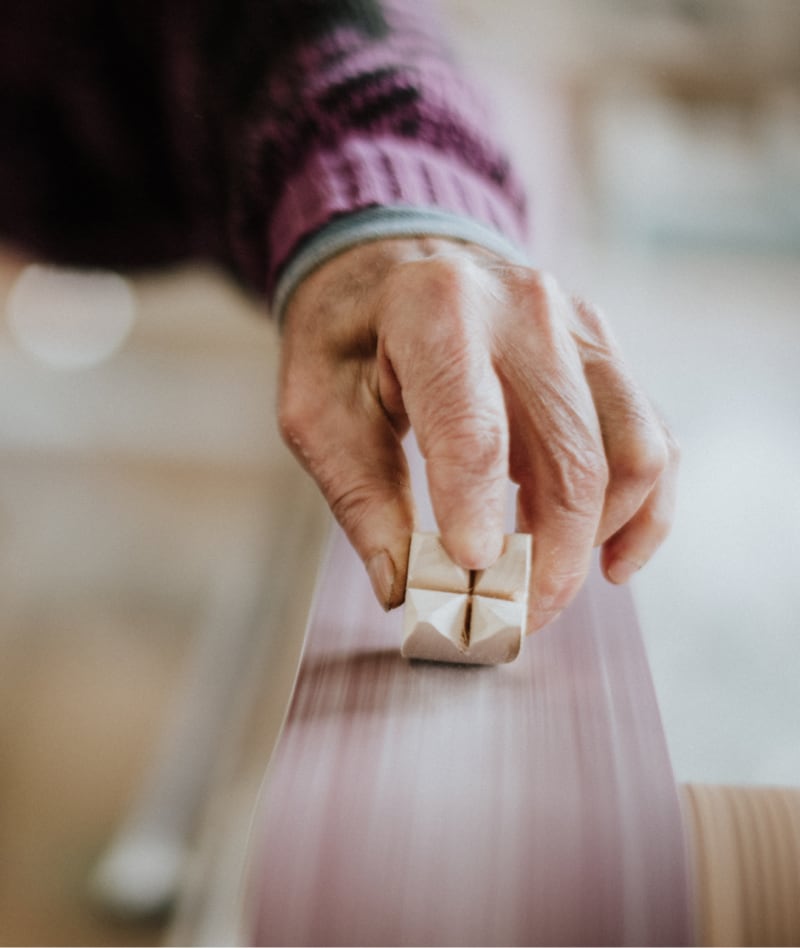
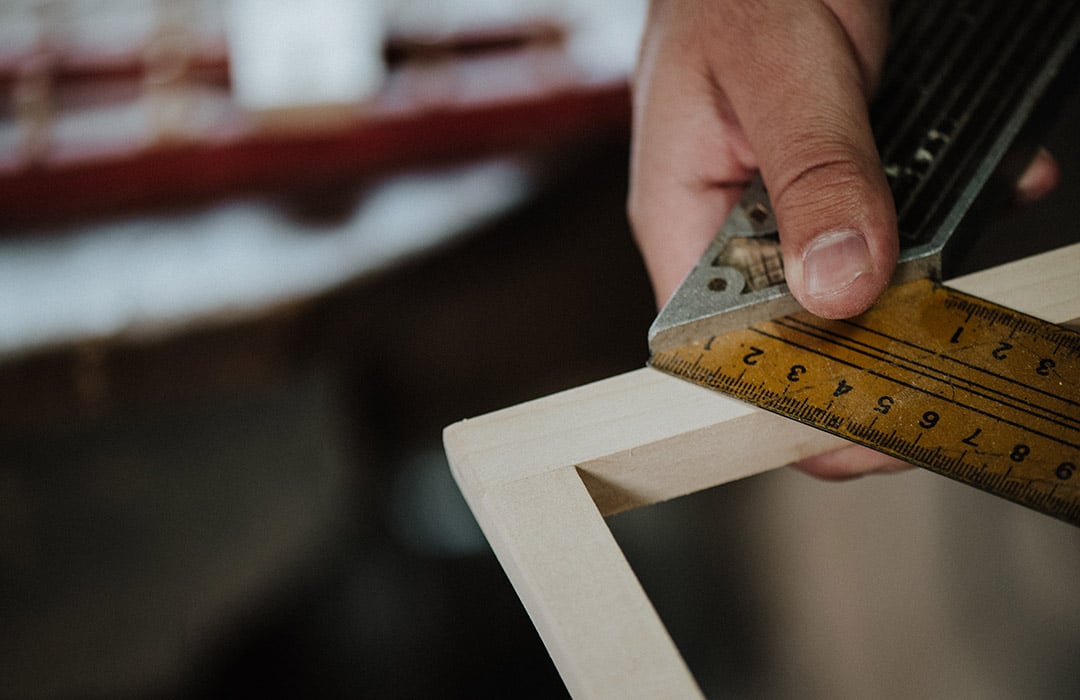
- Woodworking ranges from carpentry and furniture-making to carving, cooperage, and instrument creation.
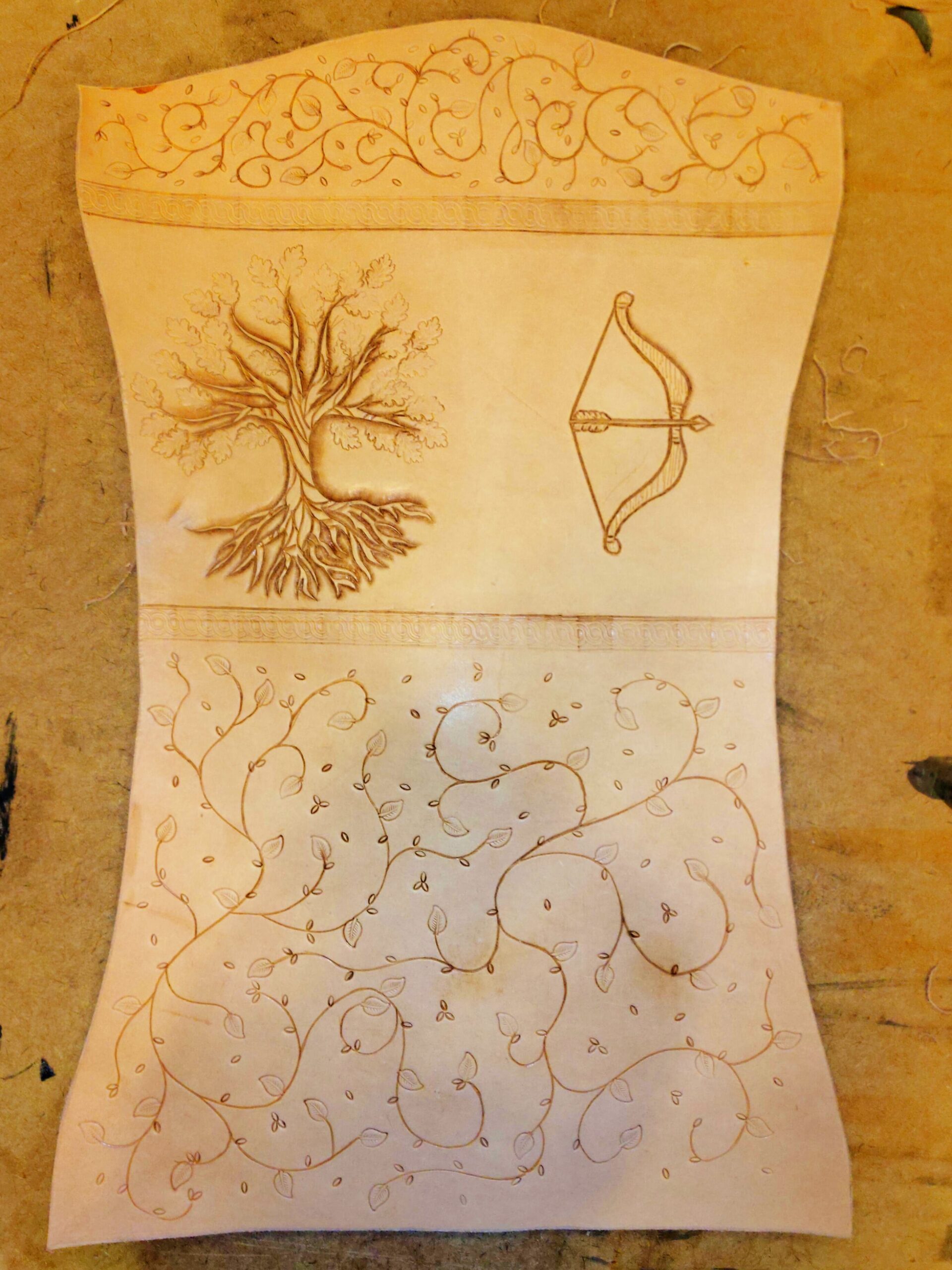
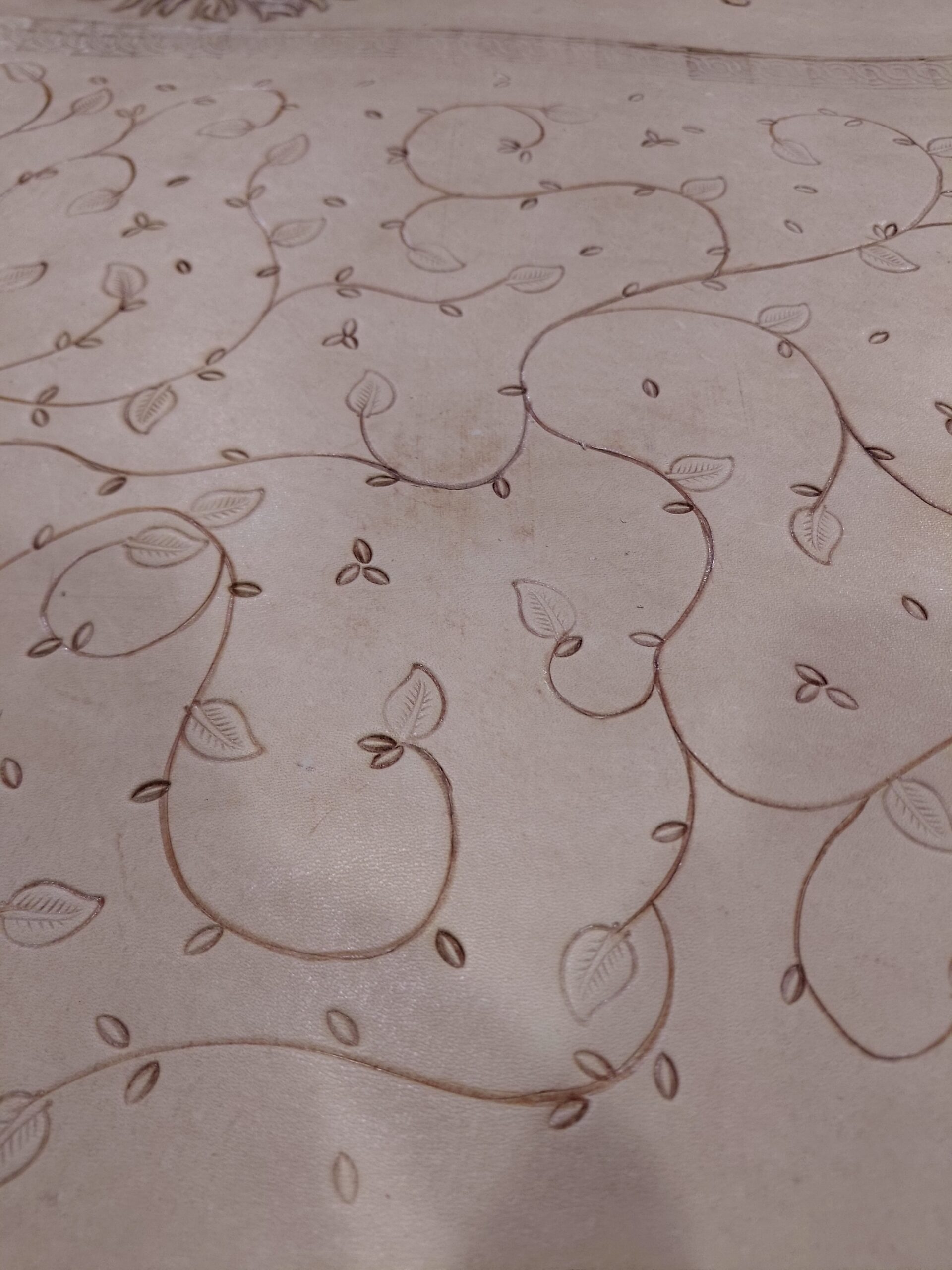
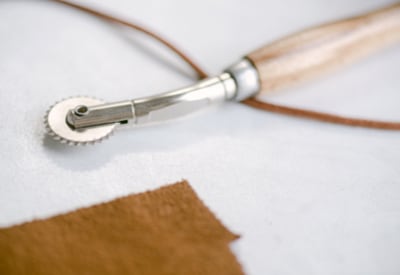
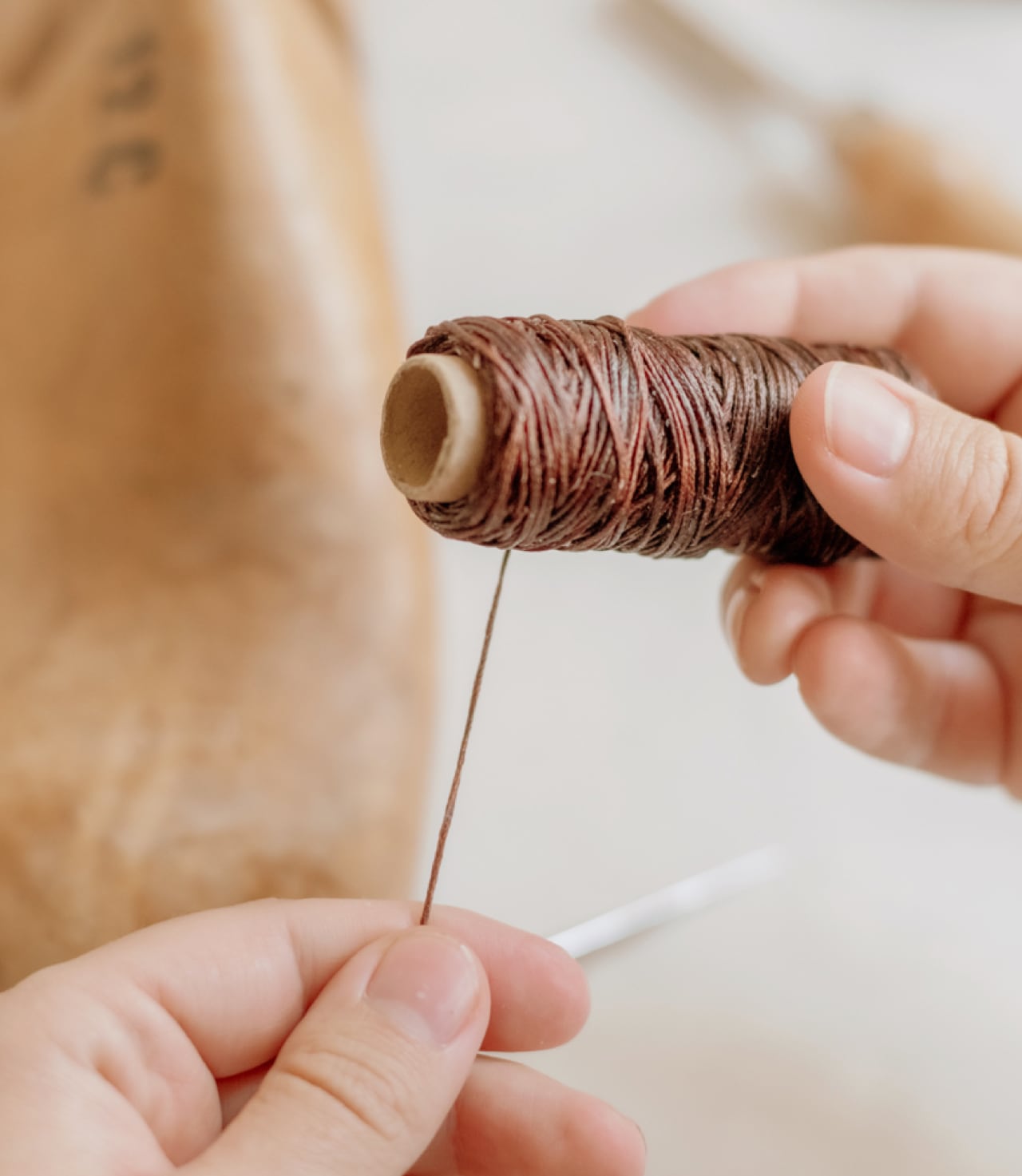
- Leatherwork includes tanning, tooling, forming, shoemaking, armor crafting, and creating period bags, belts, pouches, and accessories.
This area celebrates the tools, materials, and techniques that brought beauty and utility to medieval life.
Next Class / Workshop:





Performance & Bardic
The Arts of Minstrel, Poet, and Performer
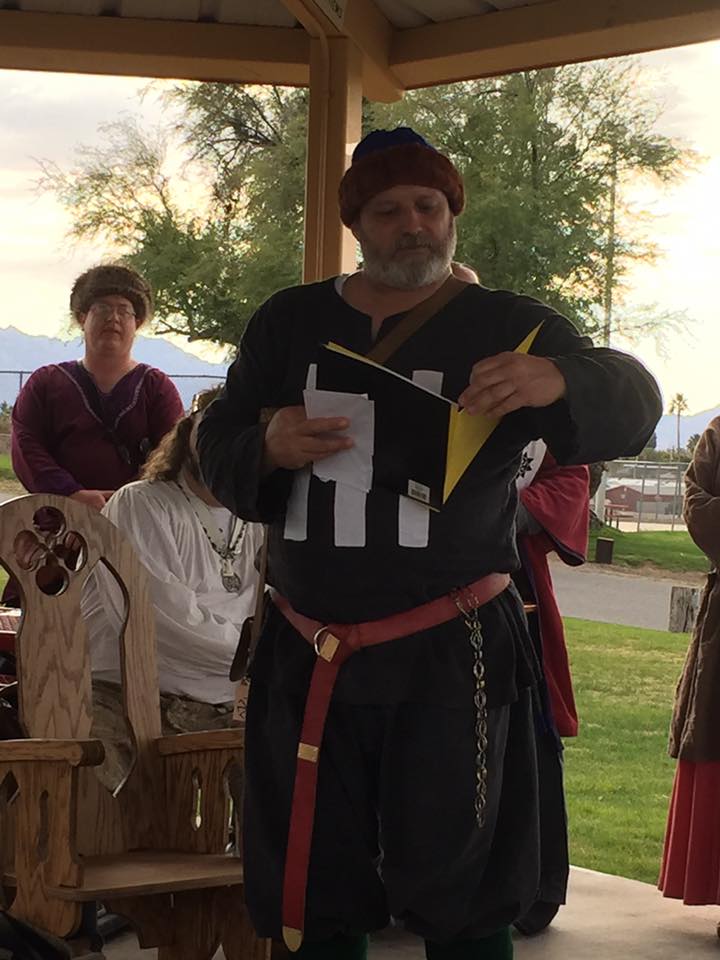
Performing & Bardic Arts represent the expressive heart of the SCA. This discipline covers vocal and instrumental music, historical dance, spoken word arts, poetic composition, storytelling traditions, and various forms of theater and dramatics.
Bards preserve and create tales of heroes, history, and humor, while musicians and dancers bring period culture to life through movement and sound. Whether around the fire or on the hall stage, these arts celebrate the shared joy of performance.
Next Class / Workshop:
Scientific & Cultural Studies
Ways and Wisdoms of Old
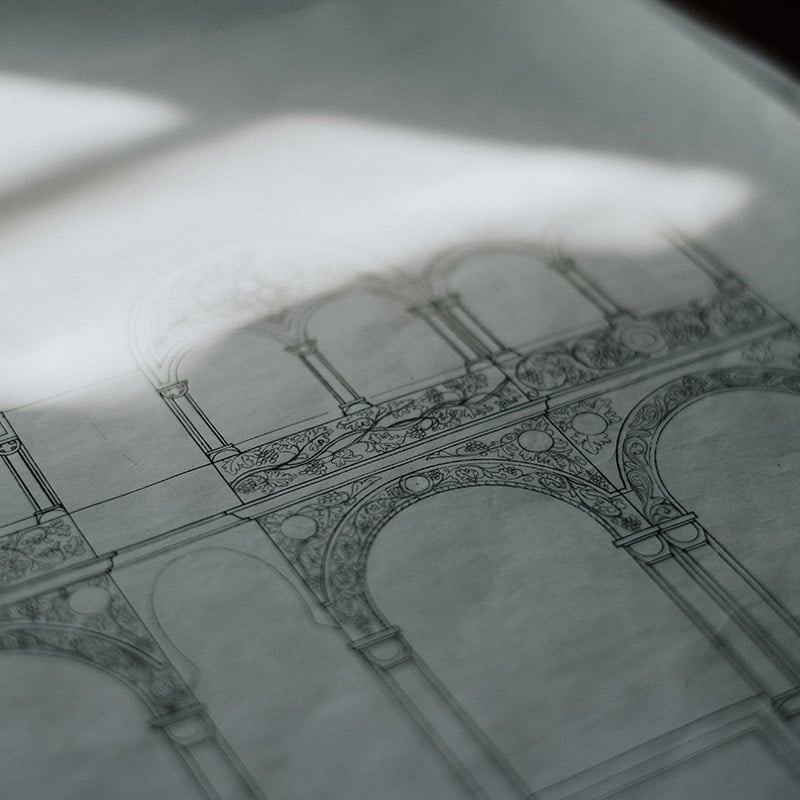
Scientific & Cultural Studies explore the knowledge, beliefs, and scholarly work of civilizations before 1600.
Fields of study can include but are not limited to:
- botany
- alchemy
- early medicine
- astronomy
- engineering
- horology
- cartography
- mathematics
- the principles of natural philosophy.
Cultural studies examine subjects like:
- religion
- social systems
- court etiquette
- linguistic analysis
- etymology and language evolution.
This area brings depth and context to reenactment, helping members understand not just how things were done, but why they were done that way.
Next Class / Workshop:






Field & Outdoor
Skills of Land, Sky & Trail
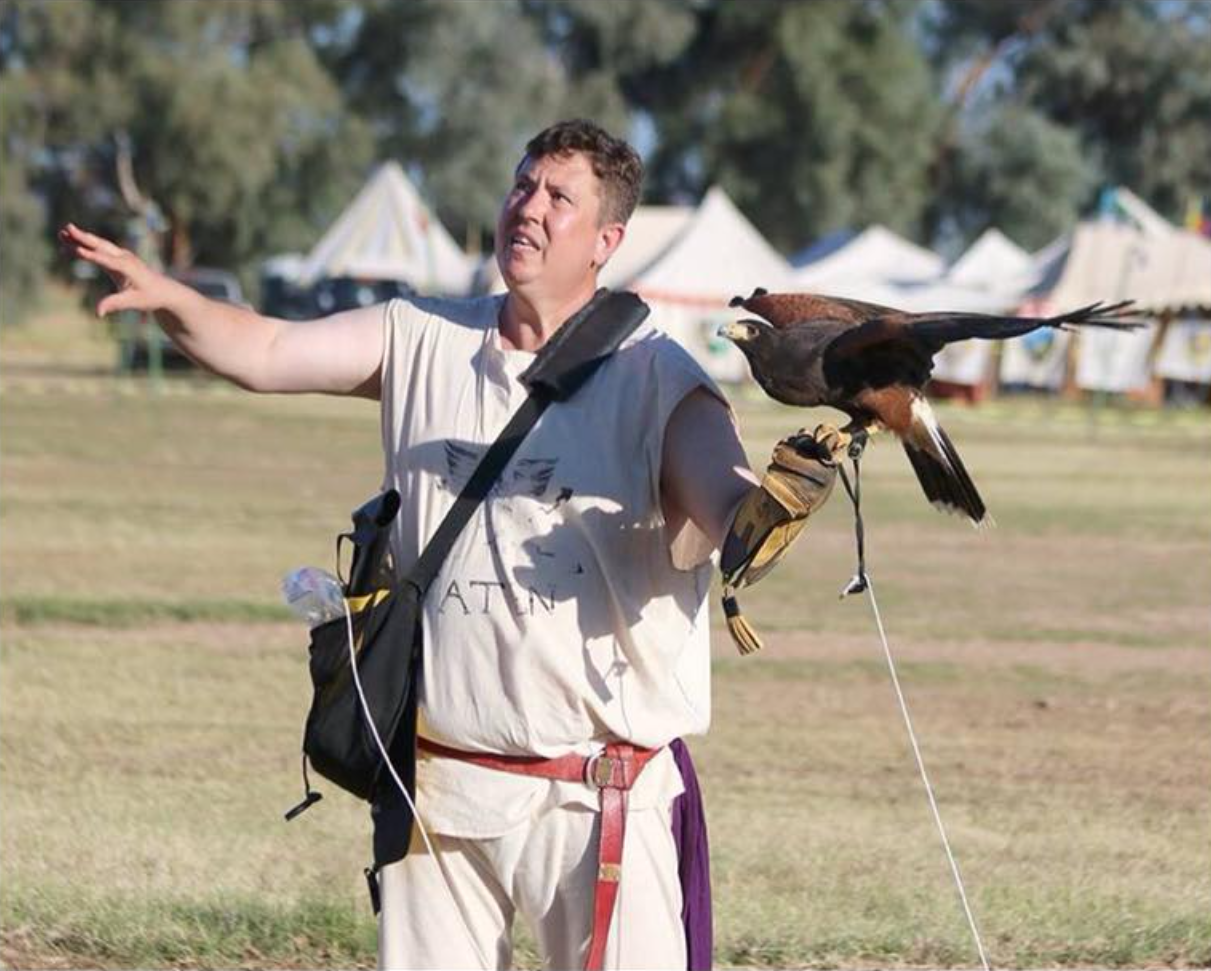
Field & Outdoor Arts highlight the practical knowledge required for living and thriving in historical settings.
Subjects to explore can include:
- gardening
- beekeeping
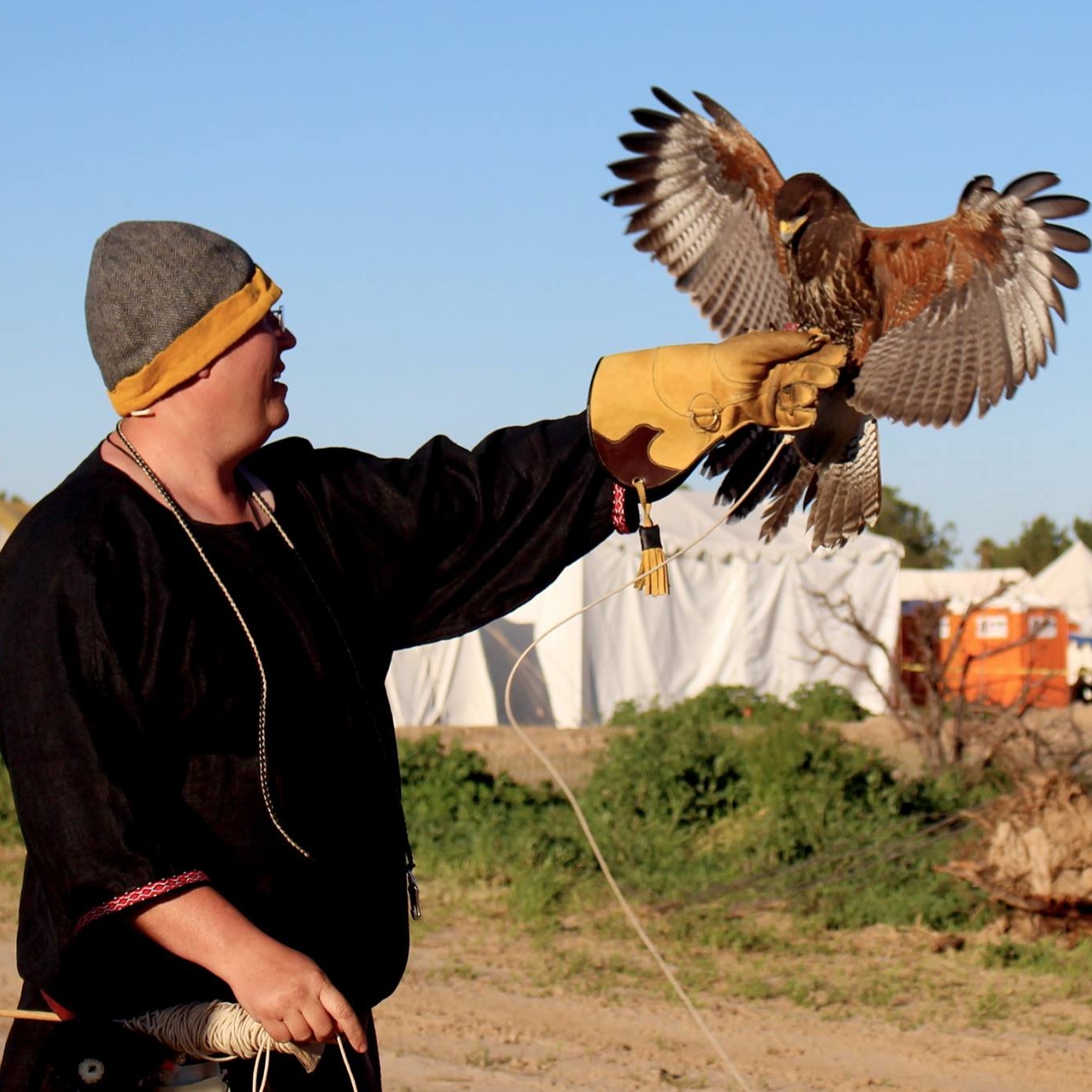
- falconry
- equestrian activities
- and other forms of animal husbandry
Skills also include:
- historical camping techniques
- fire-making
- foraging
- hunting
- and other forms of pre-modern survival knowledge.
These practices bring authenticity to events and deepen our understanding of the relationship between people and the natural world in past centuries.

Next Class / Workshop: